
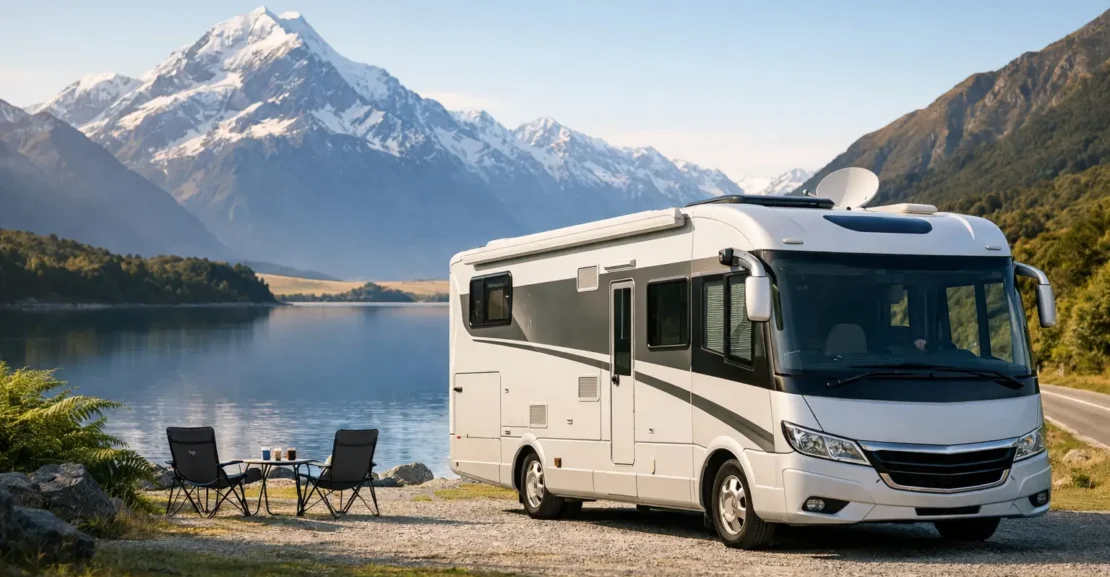
A luxury motorhome should make a wet afternoon in Taupō, a summer stop beside the Hauraki Gulf, or a longer South Island tour feel easy rather than cramped. That is the real test. For buyers considering luxury motorhomes nz, the best choice is rarely the one with the longest feature list. It is the vehicle that suits how you travel, how long you stay away, and what level of comfort you genuinely want to maintain on the road.
A premium motorhome is a significant lifestyle purchase. It deserves more than a quick look around the lounge and a short drive. The layout, weight, construction, systems and service history all shape the enjoyment and cost of ownership long after the purchase day.
What makes a motorhome genuinely luxurious?
Luxury is not simply leather upholstery, glossy cabinetry or a larger television. Those details can be pleasant, but practical quality is what separates a well-appointed touring vehicle from one that merely looks impressive at first inspection.
In a true luxury motorhome, the living space works comfortably when the weather keeps you indoors. There is enough bench space to prepare meals, seating that is supportive for a long evening, sensible lighting, useful storage and a bathroom that does not feel like an afterthought. A separate shower is a priority for many couples, particularly those planning extended trips, but its value depends on water capacity and the way the room is arranged.
Heating and insulation are equally important in New Zealand. A motorhome that is comfortable in a holiday park during January may feel very different on a frosty Central Otago morning. Look beyond the presence of a heater and ask how well the vehicle retains warmth, whether the windows are double glazed, where pipes and tanks are located, and how condensation is managed.
The driving experience matters too. A luxury motorhome should feel composed and confidence-inspiring rather than tiring. Automatic transmission, cruise control, cab air conditioning, reversing cameras and well-designed captain’s chairs can make a meaningful difference on longer days. For some buyers, a compact campervan with excellent handling is more luxurious in practice than a large coachbuilt vehicle that feels difficult to manoeuvre through town or into a favourite camping spot.
Choosing the right luxury motorhome layout
The right layout begins with an honest picture of your usual trip, not an idealised one. Will you mostly take two- or three-night breaks, spend months travelling between regions, host family for lunch, or work remotely while away? Each use calls for a different balance of space and equipment.
A rear island bed provides a familiar bedroom feel and is popular with couples who do not want to remake a bed every day. Twin single beds can offer easier access at night and often create useful storage underneath. A drop-down bed can preserve daytime living space, although it adds another mechanism to assess and may affect headroom.
The lounge deserves careful attention. Face-to-face seating is sociable and gives the interior an open feeling, while a forward lounge can offer a relaxed viewing position and may be particularly comfortable for reading. Sit in the motorhome with the cab seats turned around, doors closed and blinds down. Imagine it on a rainy day. Can two people move around without constantly stepping aside? Is there a practical place for shoes, jackets, charging devices and the everyday items that otherwise create clutter?
Kitchen preferences vary widely. Some owners prefer a full oven and generous fridge for longer off-grid stays. Others would rather have more living room and regularly enjoy local cafés or campground facilities. There is no universally better arrangement, only a better match for your habits.
The systems that shape life on the road
A luxury motorhome should support the style of freedom you want, whether that means staying in established holiday parks or spending several nights away from mains power. It is worth understanding the systems rather than assuming a solar panel or lithium battery automatically means unlimited independence.
Battery capacity, solar input, inverter size and power use must work together. A larger electrical system is valuable if you rely on laptops, appliances, medical equipment or extended off-grid camping. It also adds cost and complexity. Ask how old the batteries are, whether the charging system has been upgraded, and what the setup can realistically run without draining the bank.
Fresh water, grey water and toilet arrangements deserve the same scrutiny. Larger tanks give greater flexibility, but they add weight when full. Confirm the capacities, inspect valves and hoses, and check whether tank gauges are accurate. If self-contained travel is part of your plan, ensure the vehicle’s certification and equipment meet the current requirements relevant to the places you intend to stay.
Climate control is another area where premium specifications can be misunderstood. Diesel heating is efficient and popular for cool-weather touring, while roof-mounted air conditioning normally requires mains power or a substantial electrical setup. Ask for a demonstration of every major system, including the hot water, fridge, heating, gas appliances, awning, levelling equipment and entertainment unit. A proper operating walkthrough is far more useful than being handed a folder of manuals.
Buy with weight, maintenance and resale in mind
A larger motorhome can provide exceptional comfort, but size brings trade-offs. It may have greater payload, larger tanks and more storage, yet it can be more demanding to park, costlier to run and less suited to narrow roads or smaller sites. Check the vehicle’s gross vehicle mass, current actual weight and available payload before adding passengers, water, bikes, outdoor furniture and personal belongings. Luxury fittings can use a considerable portion of the available carrying capacity.
Diesel motorhomes also require you to factor in fuel use, road user charges, servicing and tyre replacement. Tyres may look acceptable while being older than is ideal, so check their date codes as well as tread depth. Service records should show consistent care for the base vehicle and the habitation side, including appliances, seals, brakes, cooling systems and any suspension upgrades.
Water ingress is one of the most important inspection points. Look closely around roof joins, windows, skylights, lockers and the bathroom. Musty smells, staining, soft wall sections or lifting finishes warrant further investigation. Cosmetic presentation is useful, but a clean interior should never replace a thorough assessment of condition.
Licence requirements also need checking against the motorhome’s legal weight. Many motorhomes can be driven on a standard car licence, but this should be confirmed for the individual vehicle rather than assumed. Insurance, storage, access to servicing and the availability of parts are practical ownership considerations that are easy to overlook when the vehicle is freshly polished and ready for viewing.
Why a tailored viewing makes a difference
Premium motorhomes often have sophisticated equipment and layouts that only reveal their strengths when someone explains them properly. An appointment-based viewing gives you time to open every locker, convert the seating, test your fit in the bed, discuss your intended travel and ask direct questions about the vehicle’s condition and history.
For first-time owners, personalised guidance can prevent an expensive mismatch. A couple planning six months around New Zealand may need different storage, heating and electrical capability from buyers who expect to use their motorhome for long weekends and occasional family holidays. Equally, someone moving from a caravan may value a familiar living layout but need help understanding the driving and maintenance side.
At RVfinders, the focus is on matching the vehicle to the buyer rather than treating every motorhome as interchangeable. A considered conversation before viewing can narrow the field, clarify the non-negotiables and make the final decision feel more certain.
A better way to judge luxury motorhomes NZ
When comparing luxury motorhomes NZ, take your time and judge each one as a complete touring home, not a collection of optional extras. Picture the routes you will drive, the seasons you will travel, the people who will join you and the days when the weather changes your plans.
The motorhome that feels right should offer comfort without creating unnecessary complication. If it is well maintained, suitably weighted, easy for you to operate and designed around the way you want to travel, it can turn a purchase into years of relaxed, memorable time on the road.