
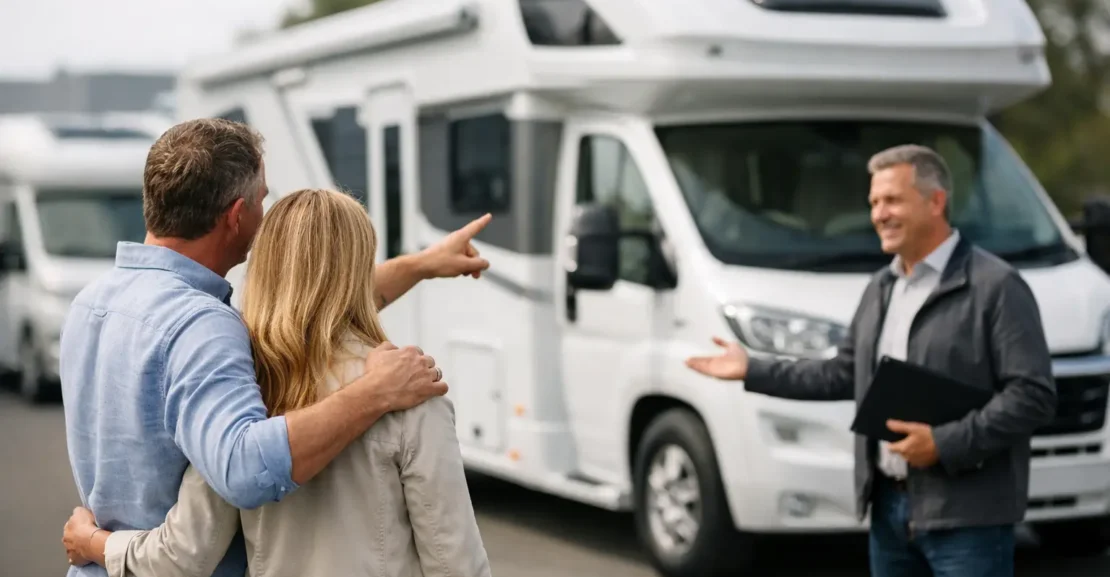
A motorhome can look perfect in a listing and still be the wrong vehicle for the way you want to travel. A beautiful lounge is of little use if the bed is awkward to make each night; a compact campervan may be easy to park but feel cramped after a week away. Knowing how to buy a motorhome starts with matching the vehicle to your real travelling habits, not simply choosing the newest model or the longest feature list.
For many New Zealand buyers, this is a meaningful lifestyle purchase. Taking the time to compare layouts, understand running costs and inspect carefully can turn uncertainty into confidence – and help you enjoy the open road from day one.
Start with the trips you actually plan to take
Before looking at motorhomes, decide where, when and how you expect to use one. A couple planning extended South Island trips in all seasons will have different needs from a family taking long weekends around the North Island. Be honest about how often you will travel, whether you prefer holiday parks or freedom camping, and how much time you want to spend moving between locations.
Vehicle size is one of the first trade-offs. A larger motorhome generally offers more storage, a separate shower and toilet, and a more comfortable living area. It can also be less relaxed to manoeuvre through busy town centres, at fuel stations or on narrow rural roads. A smaller campervan is easier to drive and park, but you may give up standing room, payload and day-to-day comfort.
Think about your home routines as well. If one person rises earlier, a fixed bed and separate lounge can make a real difference. If you often travel with grandchildren or guests, assess the number of properly belted travel seats and practical sleeping spaces, rather than relying on a brochure description.
How to buy a motorhome by choosing the right layout
The layout will affect your enjoyment more than many cosmetic details. Spend time sitting in the dinette, standing in the kitchen and opening every locker. Imagine a wet day when you are both inside for several hours. Can you move around each other? Is there somewhere to put jackets, shoes, groceries and outdoor gear without turning the living area into a storage bay?
Fixed rear beds are popular because they remove the nightly task of converting a lounge. Island beds can be easy to access from both sides, while single beds may suit travellers who prefer their own space. Front lounges often feel open and sociable, but ask yourself how often you will need to make up the bed and whether the cushions are genuinely supportive.
Kitchen preferences also vary. Some owners cook most meals in the motorhome, while others mainly use the barbecue or eat out. Check bench space, fridge capacity, pantry storage and whether the cooktop and appliances suit your plans. In the bathroom, look at shower size, ventilation and access to the cassette toilet. Small details become significant once you are away for weeks at a time.
Set a budget that includes ownership, not just purchase price
A realistic budget should include more than the advertised price. Allow for insurance, registration, servicing, tyres, batteries, repairs, storage, accessories and annual compliance costs. If you are buying an older motorhome, keep a sensible reserve for the items that commonly need attention, such as seals, suspension components, house batteries, appliances and upholstery.
Fuel use also deserves a practical look. Larger, heavier vehicles are usually more expensive to run, while a newer and more efficient model may cost more upfront. There is no universal right answer: the best choice depends on annual kilometres, your preferred level of comfort and how long you intend to keep the vehicle.
Finance can make the purchase more manageable, but compare the total cost of the loan, not only the regular repayment. Consider the deposit, interest rate, loan term, establishment fees and whether you will be able to make extra repayments. A clear plan protects the travel budget you want to enjoy after buying.
Inspect the motorhome with care
A tidy interior and polished exterior are encouraging, but they are not proof of condition. Water ingress is one of the most costly problems in a motorhome, so carefully inspect the roofline, windows, hatches, locker doors and internal corners for staining, soft spots, mould, bubbling wall surfaces or musty smells. Pay particular attention to areas around skylights and shower compartments.
Ask for service records, repair invoices and documentation for recent maintenance. For the base vehicle, check its service history, tyres, brakes, transmission behaviour, engine performance and signs of leaks. Take it for a proper test drive where possible. Listen for rattles, check how it handles on the road and make sure you are comfortable with the driving position and mirrors.
Inside, test every system. Run the taps, check the water pump, operate the fridge on its available power sources, try the heater, inspect the solar and battery display, and switch on the lights. Confirm that windows, flyscreens, blinds, steps and awnings operate as they should. If an appliance does not work during a viewing, do not assume it will be a simple fix.
For peace of mind, arrange an independent pre-purchase inspection appropriate to the vehicle. This is especially valuable for a used motorhome, an imported vehicle or any purchase where service history is incomplete. A professional inspection can identify concerns that are easy to miss and gives you a clearer basis for deciding whether to proceed.
Check the paperwork and New Zealand requirements
Confirm that the vehicle identification, registration details and ownership information match the motorhome in front of you. Check its current Warrant of Fitness or Certificate of Fitness requirements, registration status and road-user charges where applicable. Licence requirements can depend on the vehicle’s weight, so confirm that your licence is suitable before committing.
If freedom camping is part of your plans, check that the vehicle holds current self-containment certification and understand the rules for the areas you intend to visit. Requirements have changed in recent years, so rely on current information rather than an old sticker or a seller’s recollection. If the motorhome has LPG equipment, ask to see the relevant gas certification and consider its expiry or inspection requirements.
It is also wise to understand the vehicle’s payload. This is the weight available for people, water, luggage, food, bikes and accessories once the motorhome is equipped. A generous-looking garage does not necessarily mean you can legally fill it. Overloading can affect safety, handling and compliance.
Consider age, kilometres and resale together
Low kilometres are appealing, but they are only one part of the picture. A motorhome that has sat unused for long periods may need tyres, seals, batteries and mechanical attention. Conversely, a well-maintained vehicle with higher kilometres and comprehensive records can be an excellent purchase.
Newer motorhomes may offer modern safety features, improved layouts and better electrical systems. Older models can represent strong value and may be built on a familiar, readily serviceable base vehicle. What matters is condition, maintenance and whether the specification fits your needs.
Resale should influence the decision, although it should not dictate it. Neutral interiors, a practical layout, sensible kilometres and documented servicing tend to appeal to future buyers. Avoid paying extra for equipment you will not use simply because it sounds impressive. The best motorhome is the one you will use often and enjoy owning.
Use expert guidance when the choices feel similar
When several motorhomes appear to meet your brief, personal guidance can save a great deal of time. A broker who understands different layouts, vehicle platforms and buyer priorities can point out the compromises behind the brochure and help you compare options fairly. At RVfinders, appointment-based viewings allow buyers to take their time, ask practical questions and receive a proper operating walkthrough rather than being rushed through a yard.
Do not be afraid to walk away from a motorhome that creates doubt. Another vehicle will come along; resolving water damage, poor payload or an unsuitable layout after settlement is far harder. The right purchase should feel considered, well documented and suited to the trips you are already imagining.
Your first journey does not need to be a grand tour. Choose a nearby destination, learn how each system works at an unhurried pace, and give yourselves room to settle into the rhythm of motorhome travel. That is where a carefully chosen vehicle begins to feel less like a purchase and more like freedom.