
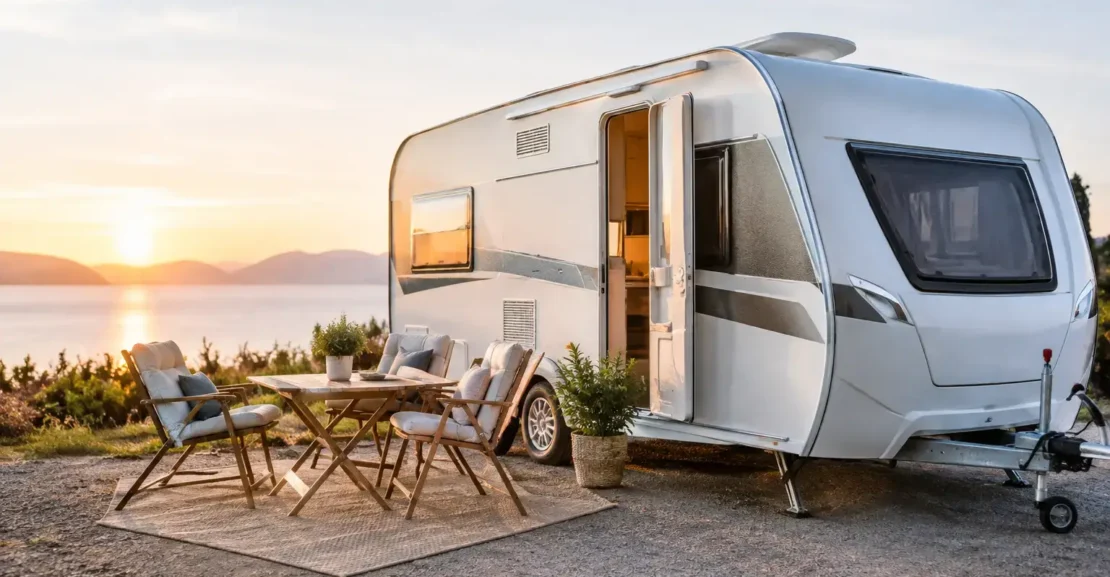
A well-staged caravan for photography gives buyers the chance to picture themselves on the road before they ever step inside. It is not about making a caravan look unreal or overly styled. It is about presenting a clean, inviting and honest version of the lifestyle it offers, while ensuring the features you have invested in are easy to see.
For private sellers, strong photographs can make the difference between a listing that attracts serious enquiries and one that is passed over after a quick scroll. Caravans are compact spaces with plenty of practical detail, so preparation matters. The goal is to create photographs that feel spacious, cared for and ready for the next adventure.
Why staging a caravan for photography matters
Buyers often compare several caravans online before arranging an inspection. They are looking beyond the make, model and layout. They want evidence that the caravan has been looked after, that there is sensible storage, and that the living space will suit their plans for weekends away or longer trips around New Zealand.
Photography cannot replace an honest inspection, but it can set the right expectations. Dark interiors, cluttered benches and rushed exterior shots can make a sound caravan appear tired. On the other hand, clear images that show the condition, layout and useful inclusions help buyers arrive with genuine interest.
Staging is particularly valuable when selling an older caravan. A clean interior, fresh bedding and thoughtful lighting can show that age does not have to mean neglect. The important trade-off is authenticity. Do not hide wear, damage or missing items that a buyer will notice at viewing. Present the caravan at its best, then be straightforward about its condition.
Start with a proper clean and reset
Before reaching for cushions or décor, give the caravan a thorough clean. Photographing before cleaning nearly always creates extra work later, as cameras pick up dust, water marks and fingerprints more readily than the eye does.
Wash the exterior, including the windows, awning rail, wheels and step. Clean the roof if it will be visible in photographs, and remove cobwebs from vents and storage hatches. Inside, wipe every benchtop, clean the cooktop, polish taps and mirrors, vacuum upholstery and make sure the shower and toilet area are spotless.
Empty rubbish bins, remove personal paperwork and take magnets, family photos and travel souvenirs off the fridge. A caravan should still feel warm, but buyers need to be able to imagine their own belongings in it. Personal items can also distract from useful selling points such as a large dinette, generous pantry or well-designed kitchen.
Check that all cupboard doors sit neatly shut and that blinds, flyscreens and curtains are working properly. If something is not operating as it should, it is better to address it before the photography session or make a plan to disclose it clearly.
Keep surfaces simple
Benches are where clutter gathers fastest. Leave only a few purposeful items, such as a small bowl of fruit, a mug set or a neatly folded tea towel. In the bedroom, use plain, freshly laundered bedding in light neutral colours and add one or two cushions rather than a pile of them.
The same principle applies to outdoor areas. A pair of clean camp chairs and a small table under the awning can suggest relaxed travel without making the setup feel crowded. Avoid branded drink bottles, pet bowls, bulky storage tubs and loose electrical leads.
Use light to show the real space
Light is one of the biggest challenges when you stage a caravan for photography. Small rooms can quickly look cramped when they are photographed in low light or with harsh flash. Whenever possible, plan the shoot for a bright but overcast day, or photograph early in the morning and later in the afternoon when exterior light is softer.
Open blinds and curtains fully, then assess each room. Natural light helps the interior feel open, but direct sunlight may create strong patches and deep shadows. If sun is pouring through one side, partially adjust the blind or wait until the light softens.
Turn on interior lights where they add warmth, particularly in the kitchen, bedroom and lounge. Aim for consistency. Mixed light temperatures can make photographs look yellow in one corner and blue in another, so replace noticeably mismatched bulbs before taking pictures if possible.
For exterior images, position the caravan where there is room to step back. A clean driveway, a quiet campground or an open rural setting can work well. Keep the background tidy and avoid photographing beside overflowing bins, workshop equipment or busy roads. You are selling the caravan, not the contents of the yard.
Photograph the layout in a buyer’s order
A useful set of caravan photographs tells a clear story. Start with the exterior from the front three-quarter angle, side profile and rear, then move through the entry, lounge, kitchen, sleeping area, bathroom and storage. This mirrors the way a buyer naturally assesses the vehicle.
Take wide shots to establish each space, followed by closer images of features that add value. Depending on the caravan, these might include the cooktop and oven, fridge, control panel, solar setup, air conditioning, heating, washing machine provision, external shower, bike rack or roomy pass-through storage.
Do not rely only on very wide-angle images. They can make an interior appear bigger than it feels and may leave buyers disappointed at viewing. A balanced selection of wider layout shots and straightforward detail images is more credible. Photograph useful dimensions where appropriate, such as a generous pantry, tall wardrobe or large ensuite shower, but do not distort scale.
Prepare each zone before its photograph
The lounge should look ready to sit in, with cushions straightened and the table clear. In the kitchen, close most cupboards but consider one photograph of organised storage if it is a genuine strength. The bedroom benefits from a smoothly made bed and clear bedside surfaces.
In the bathroom, remove toiletries, toilet brushes and laundry. Put the toilet lid down, hang a clean hand towel and ensure the shower screen is dry and streak-free. For storage compartments, photograph them empty or neatly arranged so their capacity is obvious.
If the caravan has a clever conversion, such as a dinette that becomes a bed, show both configurations only if you can present them neatly. This is especially helpful for couples deciding whether a layout will work for visiting grandchildren or occasional guests.
Do not overlook the practical selling points
Lifestyle images create interest, but practical details build confidence. Photograph the compliance plate where readable, tyre condition, tow coupling, brake controls, power connections and the awning in good working order. Include service records, manuals and accessory documentation in the listing information, rather than scattering papers around the caravan for photographs.
If you have recently completed maintenance, replaced batteries or upgraded solar equipment, make that clear with clean detail shots and accurate descriptions. Buyers appreciate proof of care, particularly when comparing caravans for extended touring.
However, avoid implying that an item is included if it is not. Portable generators, outdoor furniture, towing mirrors and personal kitchen equipment should only appear in photographs when they are part of the sale. Clarity at this stage prevents awkward conversations later.
A final check before publishing
Review every image on a larger screen before your listing goes live. Look for reflections in mirrors, number plates you may prefer to obscure, open cupboards, untidy cables and photos that repeat the same view. Choose quality over quantity, but include enough images for buyers to understand the caravan without guesswork.
A good photo set should answer the first questions a serious buyer will have: What is the overall condition? How does the layout flow? Where will we sleep, cook, relax and store our gear? What makes this caravan worth inspecting?
At RVfinders, careful presentation is part of helping sellers connect with the right buyer, not simply generating more clicks. Take the time to stage honestly and photograph thoughtfully, and your caravan will have the best chance to make a reassuring first impression before the viewing even begins.