
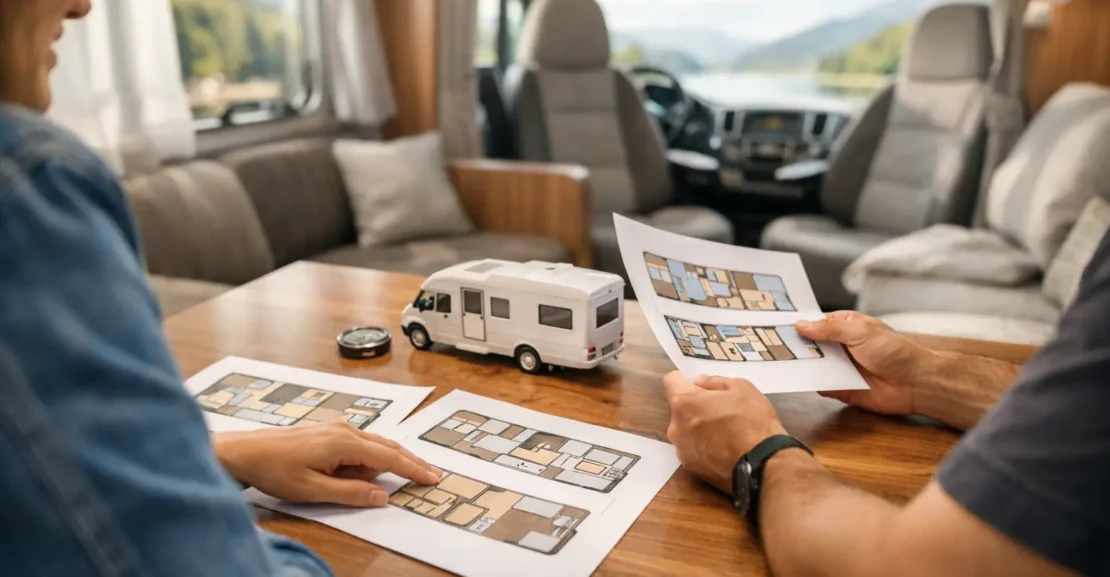
The right motorhome can look perfect on the yard, then feel awkward within the first wet afternoon away. That is why learning how to choose the right motorhome layout matters more than choosing a particular badge, upholstery colour or coffee machine. A layout needs to work when you are making breakfast, changing clothes, hosting friends, packing up for the next stop and settling in for the night.
For New Zealand buyers, the answer is rarely about finding the biggest vehicle. It is about finding a practical balance between living space, driving confidence, storage, sleeping arrangements and the style of travel you genuinely expect to enjoy. A thoughtful choice makes touring feel easy. The wrong one can turn small daily jobs into ongoing compromises.
Start with the way you will actually travel
Before comparing floorplans, think about your normal travel rhythm. Will you move every day, spend several nights in holiday parks, chase good weather around the country or use the motorhome for longer stays with family? A couple travelling frequently and stopping overnight in different places often values a compact, easy-to-set-up layout. Buyers planning extended stays may prioritise a generous lounge, separate shower and larger kitchen.
Be honest about how many people will travel and sleep in the vehicle. A motorhome advertised as a four-berth may technically sleep four, but that does not mean four adults will be comfortable for a fortnight. Dinette beds can be useful for grandchildren or occasional guests, yet they require bedding to be packed away before breakfast. That is very different from a layout with a permanent rear bed and a separate front lounge.
Also consider who needs space at the same time. If one person likes an early start while the other prefers a sleep-in, a fixed bed or a bedroom that can be closed off is valuable. If you often travel with friends, a lounge that seats four comfortably may matter more than a large rear garage.
Choose the right motorhome layout around sleeping
For many buyers, the bed is the decision that shapes everything else. It is worth lying on it properly, checking access from both sides and imagining getting up during the night. Mattress length is particularly relevant for taller travellers, while bed height affects comfort for anyone with limited mobility.
A permanent island bed is popular because it is familiar, accessible and ready whenever you are. The trade-off is that it uses substantial floor space, often reducing the lounge or bathroom area. A north-south island bed usually offers easier access on both sides than an east-west bed, although it can make the vehicle longer.
Twin single beds are an excellent option for couples who prefer separate sleeping spaces or easier night-time access. They often sit above a large rear storage area and may convert to a wide double, depending on the model. Check the conversion process before assuming it will suit you. Some are straightforward; others involve extra cushions and boards that may not appeal every day.
A French bed, positioned along one side at the rear, can provide a comfortable fixed sleeping area in a shorter motorhome. However, it may be narrower or require one person to climb over the other. Drop-down beds above the cab or lounge preserve daytime floor space, but make sure you are happy with the ladder, headroom and daily set-up.
Think beyond the showroom bathroom
A bathroom can be a major comfort feature on a long trip, particularly when freedom camping where permitted or staying in more basic locations. The key question is not simply whether there is a toilet and shower, but how usable they are.
A combined wet bathroom saves space and can be perfectly suitable for weekend use or a compact campervan. On the other hand, a separate shower cubicle keeps the toilet and vanity dry and generally feels more comfortable during extended touring. Look at elbow room, door access, ventilation and where towels and toiletries will go.
A split bathroom, with the shower on one side of the hallway and toilet on the other, can create a useful changing area when both doors are closed. It can also interrupt the path between the lounge and bedroom. Walk through it as a couple and picture using it while the other person is cooking or resting.
Test the kitchen as if you were away for a week
Motorhome kitchens vary greatly, and a large bench is not always the most useful feature. Consider how you cook. If you enjoy preparing proper meals, look for workable bench space, adequate drawers, a pantry or cupboard for dry goods, and a fridge size that suits your usual shopping pattern.
In a compact layout, a fold-out bench extension may be enough for simple meals. In a larger vehicle, an L-shaped or galley kitchen can offer more storage and separation from the lounge. Neither is automatically better. Galley kitchens can feel efficient when travelling as a couple, while side kitchens may leave more open living space.
Check the practical details: Can drawers open fully? Is there room for a kettle and toaster without constantly moving them? Can you reach the fridge without blocking the entrance? Where will you put rubbish, pots and everyday groceries? These small answers reveal more than a glossy brochure ever will.
Do not underestimate lounge comfort
The lounge becomes your dining room, reading spot, office and rainy-day retreat. Swivel cab seats can make excellent use of available space, especially in shorter motorhomes, but try them for more than a minute. Make sure the seat height and table position feel right for meals.
A face-to-face lounge can feel open and social, with long opposing sofas that may convert to extra beds. It suits buyers who host visitors or want space to stretch out. The downside is that seatbelts for travelling passengers may be limited, and the lounge can take time to convert at night.
A traditional half-dinette gives a dedicated dining space and usually includes belted travel seats. It may feel more structured and less lounge-like for relaxing. Rear lounges are prized for views and generous seating, particularly for couples, though they often mean making up the bed each evening unless there is a drop-down bed or another fixed sleeping arrangement.
Sit down with the table in place. Check whether you can comfortably pass one another, where you would place a book or drink, and whether the windows give you the outlook you want. These are the moments that define daily enjoyment.
Storage should match your gear, not your ambitions
New Zealand touring often means carrying chairs, a barbecue, levelling ramps, outdoor gear, wet-weather clothing and supplies for several days. A motorhome can appear spacious until those essentials need a home.
External lockers are particularly useful for bulky or muddy equipment, while internal cupboards need to be accessible and sensibly placed. A large rear garage can be a real advantage, but confirm its payload allowance and whether it is practical to load. Heavy items need to be secured and distributed correctly, not simply tucked in wherever there is room.
Open every locker during a viewing. Look under seats, inside wardrobes and around the bed. Consider the items you already own, rather than the perfectly organised version of yourself you hope to become. If you travel with e-bikes, fishing gear, mobility aids or a dog, bring those needs into the conversation early.
Size, weight and access are part of the layout decision
A generous layout often comes with a longer, wider or heavier motorhome. That may be worthwhile, but it affects where you feel comfortable driving and parking. Think about narrow holiday park sites, supermarket car parks, ferry bookings, rural roads and storage at home.
Check the vehicle’s gross vehicle mass and available payload. Water, fuel, passengers, food, clothing and accessories all count. A layout with plentiful storage is only helpful if you can legally and safely carry what goes into it. Licence requirements can also change with vehicle weight, so clarify this before making a decision.
For some couples, a smaller motorhome with a clever layout delivers more freedom because it is less intimidating to use. For others, the extra length is a sensible exchange for a separate bedroom, larger shower or more comfortable lounge. There is no universal best floorplan.
View with a routine, not just a checklist
At an appointment, take your time. Sit in every seat, lie on the bed, open doors and cupboards, and ask to see how the table, beds and bathroom work. Try moving from the cab to the rear with the slides, doors or bed arrangements in their normal positions. If you can, bring the person you will travel with. Two people often notice different practical issues.
It also helps to talk through your intended trips with an experienced broker. At RVfinders, that conversation is part of matching a vehicle to the owner, rather than simply pointing to the newest or largest model. The right questions can save considerable time and help you recognise which compromises are acceptable for your style of travel.
The best layout is the one that supports the journeys you want to take, from a quiet overnight stop to a month on the road. Give yourself permission to reject a beautiful motorhome that does not suit your everyday habits. Comfort on tour starts with a floorplan that feels natural from the moment you step inside.