
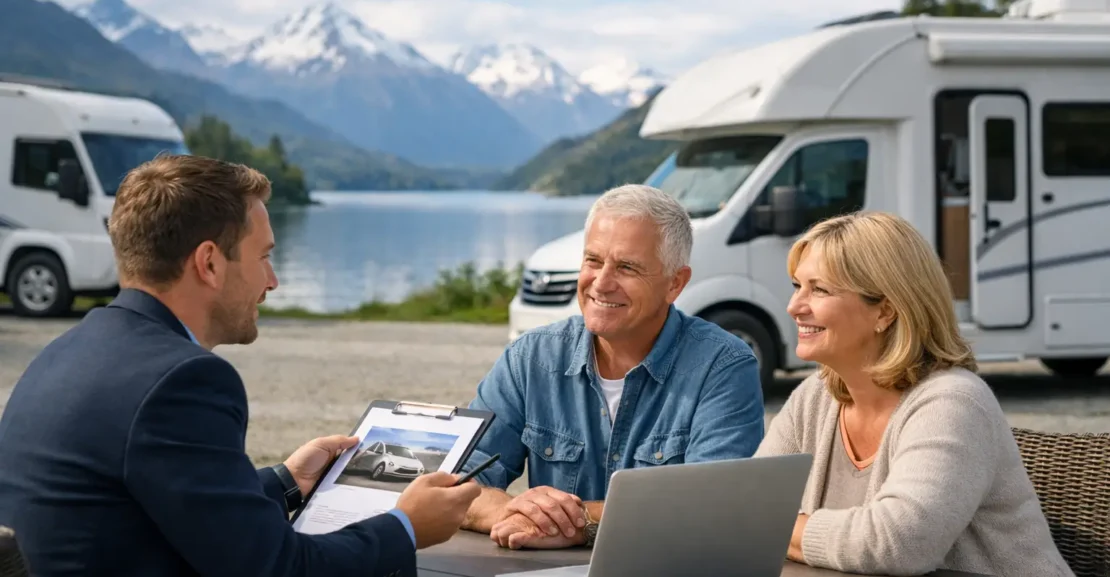
A motorhome can represent years of planned trips, family holidays and the freedom to head away when the weather looks good. That makes selling or buying one very different from placing a quick advert for an everyday car. If you are asking, what is motorhome brokerage, the simple answer is: it is a professional service that manages and supports the sale or purchase of a motorhome, campervan or caravan.
A good broker acts as the knowledgeable person in the middle of a significant transaction. They help the seller present and price the vehicle properly, help buyers assess whether it suits their travel plans, and guide both parties through the practical details that can otherwise become stressful or unclear.
What is motorhome brokerage?
Motorhome brokerage is a personalised sales service for recreational vehicles. Rather than leaving an owner to advertise, answer every enquiry, arrange viewings and negotiate alone, a broker represents the vehicle and manages much of the process on their behalf.
For a buyer, brokerage provides a more informed way to search. Instead of trying to compare layouts, chassis types, payloads, servicing records and equipment from online photos alone, they can discuss what they genuinely need with someone who understands RVs. This matters whether you are looking for your first compact campervan or moving into a larger motorhome for extended touring.
The broker’s role varies from one business to another, but it commonly includes vehicle appraisal, marketing, qualified buyer enquiries, arranged viewings, negotiation support and assistance with the paperwork around a completed sale. Many also provide practical handovers, so a new owner leaves knowing how key systems operate.
It is not simply a classifieds service. A classified advert gives a vehicle exposure, but the owner still carries the work and the uncertainty. A brokerage service is designed to provide guidance, structure and a real person to call when questions arise.
How motorhome brokerage differs from a private sale or dealership
There is nothing wrong with selling privately. It can work well for an owner who has the time, confidence and product knowledge to prepare the vehicle, respond promptly to enquiries and handle negotiations. It may also suit a simple, lower-value sale where the owner already knows the buyer.
However, private sales can involve a surprising amount of effort. Genuine buyers often want detailed answers about the vehicle’s service history, Warrant of Fitness, appliances, storage, power systems, water capacity and suitability for freedom camping. They may wish to inspect it more than once, and sellers need to decide how to safely manage those visits. A broker takes much of that workload off the owner’s hands.
A dealership, by comparison, generally sells its own stock and may operate around higher-volume retail processes. A motorhome broker typically works on behalf of individual owners, with a focus on matching each vehicle to the right buyer. The experience can feel more tailored, especially when viewings are by appointment and there is time to look beyond the paintwork and upholstery.
Neither option is automatically better. The right choice depends on the RV, your time, your comfort with the sales process and the level of support you want. Brokerage is particularly valuable when the vehicle has specialist features or when an owner wants the sale managed carefully rather than squeezed into weekends and evenings.
What a broker does for motorhome sellers
Selling an RV well starts before the listing goes live. A broker will usually discuss the vehicle’s age, make, model, condition, features, history and likely place in the market. Setting a realistic asking price is important. Price it too high and it may sit unsold while buyers move on; price it too low and you could leave substantial value behind.
Presentation also affects the result. Motorhomes are lifestyle purchases, and buyers need to imagine themselves using the space. A broker can advise on cleaning, small repairs, removing personal items and preparing documentation. Clear photos and accurate descriptions matter because they attract people who are genuinely suited to the vehicle, rather than enquiries based on assumptions.
Once the vehicle is advertised, the broker handles initial questions and works to qualify interest. That helps reduce time spent on casual browsers and means viewings can be arranged at sensible times. Appointment-only inspections are useful here: buyers can take their time, sellers retain privacy, and the vehicle can be shown properly.
During negotiation, a broker can keep communication calm and factual. RV sales can become emotional, particularly when an owner has travelled extensively in a much-loved motorhome. A broker brings an independent perspective, helping both sides focus on the vehicle’s condition, market value and the terms required for a fair sale.
What a broker does for motorhome buyers
For buyers, the real value of brokerage is often in the questions asked before viewing a vehicle. A capable broker will want to know how you plan to travel. Are you taking short breaks around New Zealand, spending several months on the road, travelling with grandchildren, or looking for a vehicle that is easy for two people to manage?
Those answers shape the recommendation. A couple who value compact parking and simple overnight stops may be happier in a campervan than a large coachbuilt motorhome. Someone planning long stays off-grid may need more battery capacity, solar support, fresh water storage and practical living space. A caravan may suit buyers who want to set up at a favourite holiday park and use a separate vehicle for day trips.
A broker can also explain features in everyday terms. For example, the size of a fridge is only one consideration. Buyers should understand how it is powered, whether the electrical system suits their travel style, and what equipment is included in the sale. The same applies to heating, toilets, showers, awnings, bike racks, towing capability and storage lockers.
An inspection should be unhurried. Buyers should look for signs of water ingress, examine service records, test the practical systems where appropriate and check that the layout works for them. Sit in the cab, open cupboards, try the bed arrangement and imagine packing for a wet week away. A beautiful motorhome that does not fit your routine is rarely a good purchase.
Following a purchase, an operating walkthrough can make a considerable difference to confidence. Knowing how to manage the power, water, gas and waste systems before your first trip helps prevent avoidable frustrations. It also gives first-time owners a clearer starting point for safe, enjoyable travel.
Fees, responsibility and clear expectations
Motorhome brokers are usually paid a commission or agreed fee when a vehicle sells. The structure should be explained clearly before you commit. Sellers should understand what services are included, how long the arrangement lasts, where the vehicle will be kept or viewed, and what happens if the asking price needs to change.
Buyers should also be clear about what a broker can and cannot guarantee. A broker can provide valuable information, coordinate inspections and help make the process more transparent, but buyers should still take reasonable care. For an older or higher-value vehicle, an independent pre-purchase inspection may be worthwhile. It is a sensible cost when it helps identify issues that are not obvious during a viewing.
The paperwork should never be treated as an afterthought. Confirm the vehicle identity details, ownership process, agreed inclusions, deposits and any conditions of sale before money changes hands. Clear written communication protects everyone and helps the handover feel straightforward rather than rushed.
Choosing the right motorhome broker
The best brokerage relationship is built on product knowledge and honest communication. Look for someone who listens to your travel plans rather than steering every buyer towards the same type of vehicle. They should be comfortable discussing limitations as well as benefits. A small campervan may be wonderfully easy to drive, for instance, but it may not offer the storage or separate living areas some travellers expect.
Ask how the broker prepares vehicles for sale, manages viewings, qualifies buyers and supports handover. You should feel comfortable asking direct questions about pricing, condition and the process. A broker who answers plainly is far more useful than one who offers vague assurances.
At RVfinders, the focus is on that one-to-one support: understanding the vehicle, understanding the customer, and making time for a considered decision. That is especially helpful in a market where two apparently similar motorhomes can offer very different ownership experiences.
When brokerage makes the most sense
Brokerage is a strong option when you want a managed sale, are buying your first RV, are upgrading to suit a new stage of travel, or simply prefer professional support around a high-value purchase. It can also be useful when you live some distance from the vehicle, have limited time for viewings, or want help reaching serious buyers across New Zealand.
The right motorhome is not necessarily the newest or the largest one. It is the one that gives you confidence to use it often, suits the way you travel and feels right from the driver’s seat to the dining table. A good broker helps turn that judgement from a guess into an informed, enjoyable decision.