
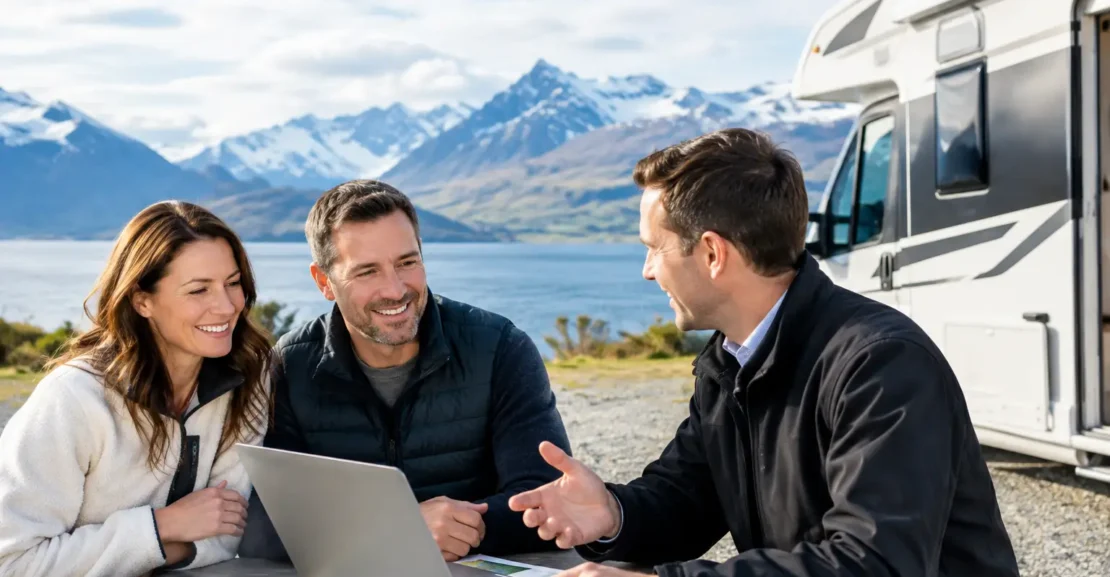
A motorhome or caravan can look perfect in the photos, then raise very different questions when you stand beside it. Is the layout right for the trips you actually plan to take? Has it been cared for properly? Will you feel comfortable driving it, maintaining it and selling it on later? A useful RV broker service review should look beyond the listing to the quality of advice, communication and practical support behind the vehicle.
For New Zealand buyers and sellers, an RV is rarely an impulse purchase. It is a sizeable investment in time away, family visits, weekend escapes and the freedom to travel on your own terms. That makes the person guiding the transaction just as relevant as the make, model and kilometres on the clock.
RV broker service review: what good support looks like
A broker-led service should feel personal from the first conversation. Rather than steering every enquiry towards whatever happens to be available, a good broker asks how you intend to travel. A couple planning extended South Island touring has different needs from grandparents wanting occasional holidays with the grandchildren, or a first-time buyer moving up from tenting.
Those conversations help narrow the field quickly. Bed configuration, bathroom layout, storage, heating, solar capacity, towing requirements and vehicle size are not minor details once you are parked up for a week. The right RV is not necessarily the newest or largest one. It is the one that fits your travel style without creating avoidable compromises.
That is where an experienced broker earns their place. They can explain the practical differences between a campervan, motorhome and caravan in plain language, identify features worth paying for and flag where a particular vehicle may not suit your plans. Honest advice may mean saying that a popular layout is too tight for long-term travel, or that a larger motorhome could be more vehicle than you need.
What buyers should expect before committing
Buying privately can work well when you know exactly what to inspect and feel confident assessing condition. A dealer can offer convenience and a broad choice. A specialist broker sits somewhere between those options, with the value coming from focused knowledge and one-to-one guidance.
Before you decide, expect clear information about the vehicle’s condition, specification and known history. Ask what has been checked, what documentation is available and whether there are any matters that need attention now or in the near future. A trustworthy service does not make a used RV sound flawless. It explains its strengths, its age-related wear and the realistic ownership considerations.
A proper viewing also matters. Appointment-only inspections can be particularly helpful because they give you time to open lockers, try the seating, test the bed conversion and understand the controls without being rushed by a busy yard. Take your time in the cab. Sit in the lounge with the table in place. Picture wet-weather days, not only sunny holiday photos.
For first-time owners, an operating walkthrough should be part of the experience. Water systems, gas appliances, battery charging, toilet operation, heating and awnings can seem straightforward once demonstrated, but they are much easier to learn with someone beside you. You should leave knowing what you are buying and how to use it safely.
Questions worth asking at a viewing
A broker should welcome sensible questions, including how the RV has been used, when servicing was completed and whether appliances have been tested. It is also reasonable to ask about payload, tyre age, battery condition, Warrant of Fitness requirements and any dampness or water-ingress concerns.
If you are considering finance, ask early rather than after falling in love with a vehicle. Knowing your likely budget helps keep the search practical, and finance facilitation can reduce the administration involved. The key is clarity around the terms, repayments and any conditions before you sign anything.
What sellers gain from a managed service
Selling a motorhome or caravan can be more demanding than expected. Preparing the vehicle, taking useful photos, writing an accurate advertisement, responding to messages and arranging viewings all take time. It can be particularly inconvenient when buyers are travelling from another region or want to inspect outside normal hours.
A broker service can take much of that pressure away. The broker should help position the vehicle correctly, explain which features matter to likely buyers and present it in a way that is accurate as well as appealing. Pricing is especially important. An inflated asking price may keep an RV sitting for months, while an unnecessarily low price leaves money on the table.
The strongest sales support is neither a promise of an instant sale nor a vague listing placed online and forgotten. It is active communication about enquiry levels, buyer feedback and realistic market interest. Sellers should know what is happening, even if the news is that adjustments are needed.
There is also value in qualified viewings. Not every enquiry becomes a buyer, but a broker can help separate genuine interest from casual browsing. That saves sellers from repeated no-shows and gives serious prospects a more informed inspection. For owners who prefer a hands-off process, this support can make a meaningful difference.
The trade-off: service has to be worth it
Brokerage is not the right choice for every transaction. A confident seller with an in-demand vehicle, plenty of spare time and a clear understanding of the market may prefer to sell privately. Likewise, a buyer who has owned several RVs may need less guidance than someone purchasing their first campervan.
But the comparison should not be limited to the fee or commission. Consider the time involved, the quality of enquiries, the confidence gained from informed advice and the risk of overlooking a costly issue. For many people, especially those selling a much-loved motorhome or making a major lifestyle purchase, professional support is less about convenience alone and more about making sound decisions.
The service also needs to remain transparent. You should understand how the broker is paid, what is included, who is handling negotiations and what happens after an agreement is reached. Straight answers are a good sign. Pressure to act immediately, unclear costs or reluctance to discuss condition should prompt further questions.
Choosing a broker you can rely on
Look for a specialist who knows the RV market rather than treating motorhomes and caravans as just another vehicle category. Product knowledge is useful, but responsiveness and follow-through matter just as much. You want someone who returns calls, provides accurate details and remains available when practical questions arise.
It is worth paying attention to how the first conversation feels. Are they interested in what you need, or mainly focused on closing a deal? Do they explain options clearly? Are they prepared to say when a vehicle may not be the best fit? These small signals usually tell you a lot about the experience to come.
At RVfinders, the aim is to provide that broker-led support through tailored recommendations, considered viewings and practical guidance before, during and after purchase. The best outcome is not simply a completed transaction. It is a buyer who drives away comfortable with their choice, or a seller who feels their RV has been represented properly.
A good RV broker will not remove every decision from the process, nor should they. What they can do is replace guesswork with clear information, give you space to ask questions and help make the road ahead feel like something to look forward to.