
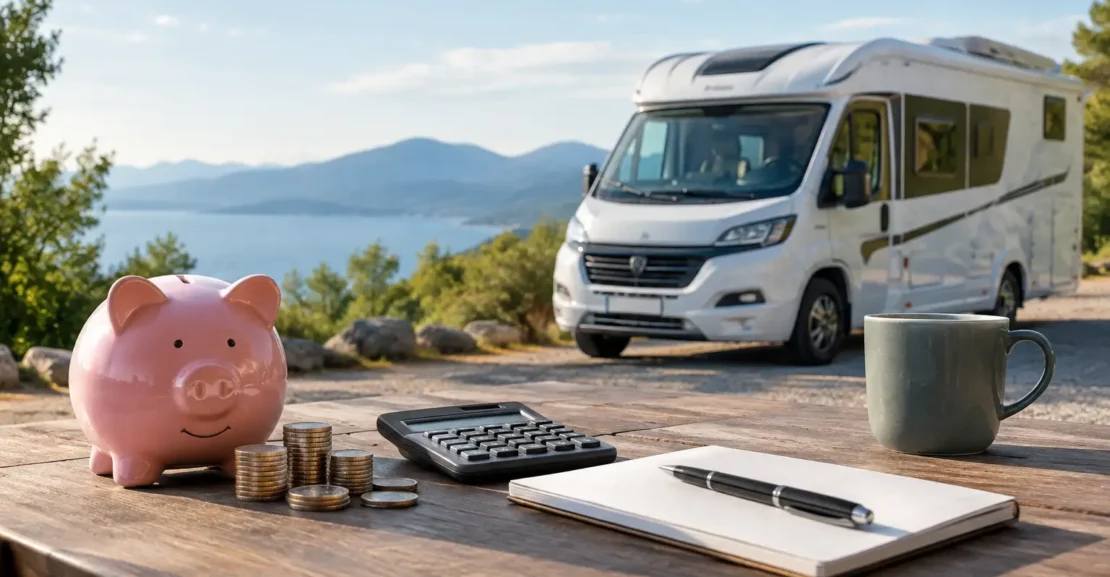
That motorhome you have been picturing beside a Central Otago lake or parked up for a long Northland summer is more than a vehicle purchase. It is a lifestyle decision with a meaningful price tag. When weighing up motorhome finance versus cash, the right answer is rarely as simple as choosing the option with the lowest immediate cost. It comes down to what gives you confidence to buy well, travel comfortably and keep enough flexibility for the life you want to lead.
For some buyers, paying cash brings the quiet satisfaction of owning their motorhome outright from day one. For others, finance preserves savings for investments, home improvements, retirement income or simply the unexpected expenses that can arise along the road. Both can be sensible choices when they are matched to the right vehicle and a realistic budget.
Motorhome finance versus cash: start with the full picture
A motorhome purchase should not be assessed on its advertised price alone. Consider the complete ownership picture: insurance, registration, servicing, tyres, storage, roadside assistance, accessories and the cost of preparing for your first trips away. If you are new to RV ownership, there may also be items such as bedding, levelling gear, hoses, kitchen equipment and outdoor furniture to allow for.
Cash buyers sometimes use nearly all their available funds on the vehicle, then discover they have less room than expected for these first-year costs. Finance buyers can make the opposite mistake, focusing only on a manageable repayment without considering the total amount paid over the term. The best decision looks beyond the monthly figure and protects your wider financial position.
Before deciding, ask three practical questions. How much cash would remain after the purchase? What would repayments look like if interest rates or household costs changed? And how long do you genuinely expect to keep the motorhome? Your answers will often point more clearly to the right path than a headline interest rate ever could.
The case for paying cash
Paying cash is straightforward. There are no loan repayments to manage, no interest charged over time and no lender security interest over the vehicle. Once ownership is transferred, the motorhome is yours outright.
This can be especially appealing for retirees or buyers with a reliable income from investments, superannuation or other assets. Without a monthly repayment, your travel budget can be easier to manage. You may feel more comfortable booking an extended South Island trip or spending extra time at a favourite holiday park when the vehicle itself is fully paid for.
Cash can also strengthen your buying position. A prepared buyer who has funds available may be able to act quickly when the right motorhome comes along, particularly in a market where well-presented, popular models attract strong interest. It allows you to concentrate on the condition, layout and suitability of the RV rather than waiting on loan approval.
However, cash is not automatically the wiser option simply because it avoids interest. If paying outright leaves you with little accessible savings, the purchase can create pressure later. A motorhome should add freedom, not make every unexpected repair or home expense feel stressful.
There is also an opportunity-cost question. If your cash is earning a return elsewhere, or if retaining it would help you avoid higher-interest debt, using all of it for a motorhome may not deliver the best overall outcome. This is personal financial territory, so it can be worth discussing with an independent financial adviser or accountant if the decision affects retirement planning or investments.
When motorhome finance can make good sense
Finance can help you buy the right motorhome without tying up all your capital at once. Rather than depleting savings, you may put down a deposit and spread the remaining cost across an agreed term. For buyers who have healthy savings but value liquidity, that can be a practical middle ground.
It can also make an upgrade possible at the right time. Perhaps your current campervan has served you well, but a larger motorhome with a separate shower, better heating or twin beds would make longer trips more comfortable. Finance may allow you to move into a vehicle that genuinely suits the next stage of travel, while still keeping a financial buffer.
The key is to treat finance as a tool, not as permission to stretch beyond your comfort zone. A repayment should leave room for normal living costs, maintenance and enjoyment of the motorhome itself. There is little value in owning a beautiful RV if every weekend away feels constrained by the payment attached to it.
Finance terms vary, and it is worth looking carefully at the comparison rate, establishment fees, monthly account charges, early repayment conditions and whether a balloon payment is involved. A lower repayment can look attractive because it has been spread over a longer term, but you may pay more interest overall. A balloon payment can reduce regular instalments, yet it creates a larger amount to pay or refinance at the end.
Match the loan term to the motorhome and your plans
As a general principle, the finance term should make sense for the vehicle’s age, condition and expected ownership period. Financing an older motorhome over a long term deserves extra care, as maintenance needs can increase with age while you are still making repayments.
A newer vehicle with a strong service history may offer more predictability, but no motorhome is maintenance-free. Budget for servicing and wear items separately rather than assuming the loan repayment covers the full cost of ownership.
If you expect to sell or upgrade within a few years, ask what the likely loan balance could be at that point. Motorhomes can hold their appeal well when maintained properly, but resale values are influenced by condition, kilometres, layout, market demand and equipment. You do not want a sale to become difficult because the outstanding loan is higher than the amount a buyer is prepared to pay.
A practical way to compare the two options
Put the options side by side using real figures, not rough estimates. Start with the purchase price and your available deposit. For the finance option, calculate the total repayments over the full loan term, including fees. For the cash option, write down the remaining savings once you have allowed for insurance, registration, accessories and a sensible contingency fund.
Then consider the less obvious difference: your comfort level. Some people dislike carrying debt, even when it is affordable. Others sleep better knowing they have cash set aside for family needs, property repairs or medical costs. Neither view is wrong. The useful choice is the one that supports both your financial position and your peace of mind.
A simple test is to imagine two ordinary months after buying the motorhome. In one, you have paid cash and an unexpected $3,000 household expense arrives. In the other, you have finance repayments and your investment income drops for a period. Which situation would be easier for you to handle? The answer may reveal where your real risk sits.
Do not let the payment method distract from the vehicle
Whether you are paying cash or arranging finance, the motorhome still needs to be right for your travel style. A couple planning frequent off-grid trips will prioritise different features from someone touring holiday parks or hosting grandchildren on weekends. Bed layout, payload, storage, heating, bathroom design, driving confidence and servicing history all matter more over time than a small difference in the payment structure.
This is where personalised guidance is valuable. A proper viewing should give you time to inspect the vehicle carefully, understand its systems and ask the questions that are easy to overlook online. Check service records, look for evidence of water ingress or neglected maintenance, and make sure the layout works for how you will actually live in it. A good operating walkthrough can also prevent expensive misunderstandings after collection.
At RVfinders, the aim is to help buyers assess the complete decision – the vehicle, the budget and the ownership experience – rather than simply moving them towards a quick sale. Finance may be available as part of the process, but it should always support a purchase that feels considered and sustainable.
Choose flexibility, not just the cheapest-looking option
Cash is often cheaper in pure dollar terms because it avoids loan interest. Finance can be more expensive overall, but may provide valuable flexibility by leaving capital in reserve. The better choice depends on your available savings, income certainty, other commitments, expected ownership period and appetite for debt.
Take the time to compare written figures, inspect the motorhome properly and leave room in your budget for the journeys you are buying it for. The best payment decision is the one that lets you turn the key, head out on the open road and enjoy the freedom without a financial worry travelling in the passenger seat.