
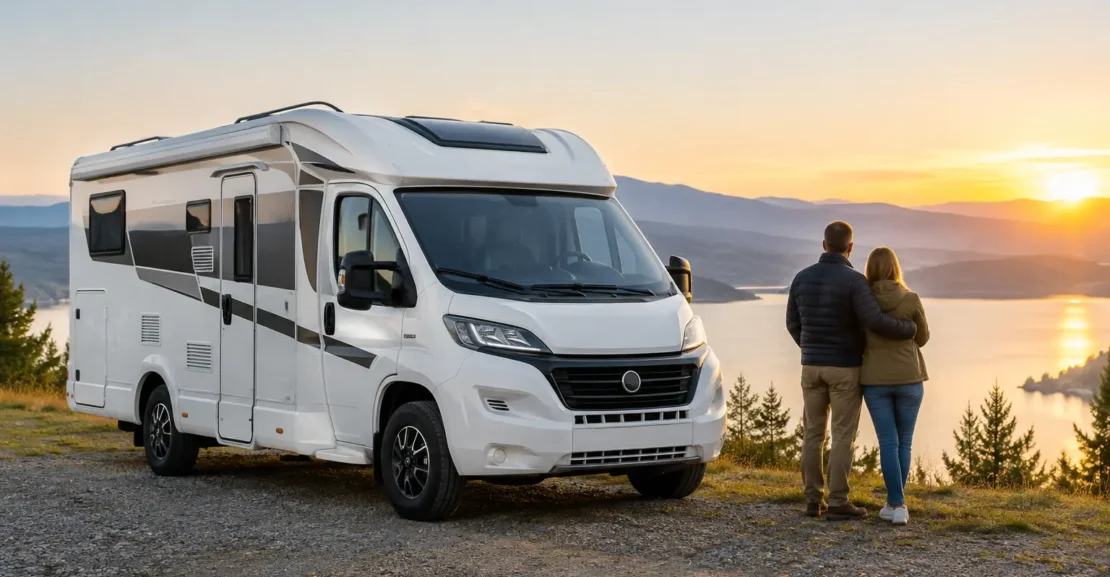
A motorhome can be the vehicle that finally makes extended South Island trips, family holidays and flexible retirement travel feel possible. But motorhome depreciation factors deserve just as much attention as the layout, bed size and kitchen setup. Understanding what buyers value later can help you choose wisely now – and protect the enjoyment and equity in a significant purchase.
Depreciation is not the same for every RV. Two similarly priced motorhomes can have very different resale outcomes because condition, brand reputation, service history and suitability for New Zealand travel all influence buyer confidence. The aim is not to buy solely for resale. It is to choose a motorhome you will genuinely use, while avoiding features or maintenance issues that can make it harder to sell when your plans change.
How motorhome depreciation works in New Zealand
Most new motorhomes lose value fastest in their first few years. This is the familiar initial depreciation that comes with buying new, particularly where the vehicle has been fitted out by a recognised manufacturer and then enters the used market alongside newer models. After that early period, the rate often becomes steadier, provided the motorhome is well maintained and remains desirable.
Used motorhomes can behave differently. A tidy, sensibly specified vehicle with documented servicing may hold its value remarkably well when supply is limited and demand is strong. Conversely, an older motorhome with a low asking price can still depreciate sharply if it develops water ingress, needs major mechanical work or no longer meets what buyers expect from an independent touring vehicle.
Market conditions matter too. Interest in domestic travel, exchange rates, import availability and the cost of new RVs can all affect used values. These are outside an owner’s control, which is why the practical focus should be on the factors you can manage.
The motorhome depreciation factors buyers notice first
Age, kilometres and mechanical confidence
Age and mileage matter, but neither tells the whole story. A well-driven diesel motorhome with sensible kilometres, regular servicing and a clean inspection history is often more appealing than a low-kilometre example that has spent years sitting unused. Long periods of inactivity can create problems with seals, tyres, batteries, brakes and fuel systems.
Buyers also look at the base vehicle. Popular, well-supported chassis and drivetrains tend to inspire confidence because parts and servicing are easier to arrange around New Zealand. A motorhome with a known service history, current Warrant of Fitness requirements addressed and records for cambelt or major scheduled work will usually be easier to sell than one with unanswered questions.
Water ingress and overall condition
Water damage is one of the biggest threats to value in any motorhome or caravan. A small leak around a roof fitting, window or locker can become a costly structural issue if it is ignored. Buyers who notice staining, soft walls, musty odours or poor sealant repairs may walk away, or factor substantial risk into their offer.
Condition is also about the details. Clean upholstery, functioning flyscreens, sound cupboard hinges, presentable exterior decals and a tidy garage suggest careful ownership. They do not turn an unsuitable vehicle into a sought-after one, but they help a buyer feel comfortable paying a fair price.
Layout, berths and real-world usability
The most expensive layout is not always the best at resale. A practical arrangement that suits common touring needs often has broader appeal: an easy-to-make bed, comfortable seating, usable bench space, adequate storage and a bathroom that does not feel like an afterthought.
For couples, permanent rear beds, generous lounges and separate shower facilities can be highly attractive. For families, legal travelling seats with seatbelts and sensible sleeping arrangements matter more than a glamorous finish. A very niche layout may be perfect for its owner but narrow the future buyer pool. That is not necessarily a reason to avoid it – it simply means pricing and sale time may need to reflect its specialist appeal.
Brand, build quality and model support
A recognised manufacturer with a good reputation can help protect value, particularly when buyers can see evidence of quality construction and ongoing model support. That said, badge alone is not a guarantee. A lesser-known motorhome that has been thoroughly maintained may be a better purchase than a neglected premium model.
Imported units require particular care. Check whether appliances, electrical systems and documentation are appropriate for New Zealand use, and whether replacement parts are obtainable. Buyers are understandably cautious when a repair could involve a lengthy search or an expensive overseas order.
Features that can help – and features that do not always pay back
Well-chosen upgrades can make a motorhome more attractive, but owners should not expect to recover every dollar spent. Solar panels, lithium batteries, an inverter, quality tyres, bike racks and a modern reversing camera can support resale when they are professionally installed and genuinely useful. These features can make independent travel easier and reduce the work a new owner needs to do.
However, modifications can also limit value. Heavy accessories may reduce payload, non-standard electrical work can raise safety concerns, and personal décor choices may date the interior. Before adding expensive equipment, consider whether it improves your own trips first. If it does, that is usually the best reason to proceed.
The same principle applies to cosmetic renovations. Fresh upholstery or updated flooring can lift presentation, but poor workmanship is quickly apparent. Keep invoices, manuals and installation certificates where relevant. Clear documentation turns an upgrade from a claim into evidence.
Maintenance is the strongest defence against avoidable loss
Routine care will not stop normal age-related depreciation, but it can prevent the steep drops caused by neglect. Service the vehicle on schedule, including the habitation side where applicable. Check seals and roof joints regularly, attend to minor leaks promptly, and keep the motorhome clean and dry when stored.
Tyres are often overlooked because they can look fine while ageing out. Buyers will check date codes, tread condition and signs of cracking. Batteries, gas systems, brakes and suspension also deserve attention before they become a negotiation point at sale time.
Storage makes a difference. Covered storage is ideal where practical, but ventilation, moisture control and regular use are equally valuable. If the motorhome sits for extended periods, follow a sensible routine for battery charging, tyre movement and system checks. A vehicle that has been cared for year-round will usually show it.
Buying with resale in mind without compromising your travels
When comparing motorhomes, start with your intended style of travel. Weekend escapes, long-term touring, freedom camping and travelling with grandchildren each create different priorities. Then assess how many other buyers are likely to share those priorities in a few years.
It is worth looking beyond the showroom shine. Ask about service records, previous repairs, water ingress checks, payload, licence requirements and the status of key appliances. A pre-purchase inspection can be money well spent, especially for first-time buyers. It may reveal issues that affect both immediate costs and future resale value.
For buyers who prefer personal guidance, RVfinders can help match the motorhome to the way you plan to travel rather than simply steering you towards the newest or largest option. A good match tends to be easier to enjoy and easier to explain to the next buyer when it is time to sell.
Preparing to sell when the time comes
The strongest sales campaign begins before the listing is written. Gather service invoices, manuals, Warrant of Fitness records, appliance information and receipts for meaningful upgrades. Rectify small faults such as broken catches, failed lights or tired sealant. They may seem minor, but a collection of little jobs can make buyers wonder what larger issues have been missed.
Presentation matters because buyers make an initial judgement quickly. Remove excess personal items, clean lockers and cupboards, air the interior and ensure all systems are ready to demonstrate. Honest disclosure matters just as much. A clear account of the motorhome’s condition builds trust and helps avoid wasted viewings.
Pricing should reflect the actual vehicle, not only the amount invested over the years. Compare age, kilometres, layout, condition and equipment with similar motorhomes, while allowing for current demand. A realistic price can attract capable buyers sooner and produce a cleaner transaction than an ambitious figure followed by repeated reductions.
The best protection against depreciation is thoughtful ownership: buy a motorhome that fits your travel plans, maintain it with care, retain the paperwork and address issues while they are still small. When the next chapter calls, those habits give the next owner confidence – and give you a far better starting point for your sale.