
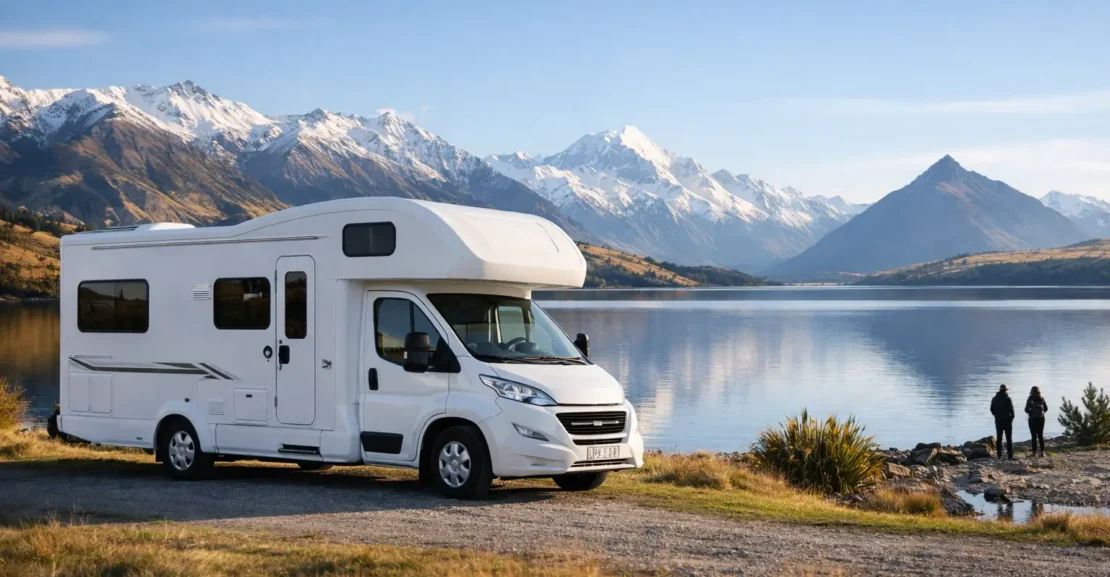
A motorhome can look excellent on a sunny forecourt and still be wrong for the way you actually travel. The appeal of Kiwi-made motorhomes is not simply that they are built close to home. For many New Zealand buyers, it is the prospect of a vehicle shaped around local roads, changeable weather, compact holiday parks and the practical realities of touring from Northland to Southland.
That said, “Kiwi-made” is not a guarantee that one motorhome will suit every owner. Build quality, chassis, interior layout, insulation, storage and after-sales support can vary significantly between models and eras. A good purchase comes from looking beyond the badge and matching the vehicle to the trips you want to take.
Why Kiwi Made Motorhomes Appeal to NZ Buyers
New Zealand travel asks a lot of a motorhome. Our roads include long open stretches, steep hills, narrow coastal routes and uneven accessways. A vehicle that is easy to manoeuvre, sensibly proportioned and designed with local touring in mind can make a real difference to day-to-day enjoyment.
Local manufacturers and converters have often developed their layouts around the way Kiwis use their RVs. That may mean practical kitchens for self-contained travel, usable dining spaces when the weather turns, generous external lockers for chairs and outdoor gear, and beds that do not require a complete reshuffle of the living area each evening. These are not glamorous details, but they are the details owners notice after several weeks on the road.
There can also be comfort in buying a vehicle with a local history. Familiarity among service agents, parts suppliers and fellow owners may make ownership less daunting, particularly for first-time motorhome buyers. If a cupboard latch, roof vent or water pump needs attention while you are away, access to knowledgeable help matters more than a glossy brochure.
Local Build Does Not Mean Every Component Is Local
It is helpful to understand what “Kiwi-made” usually means in practice. Many motorhomes are built on imported base vehicles such as Fiat Ducato, Mercedes-Benz, Ford or Iveco chassis. The habitation body may be locally built, or an imported cab-chassis may be converted and fitted out in New Zealand.
That combination is not a drawback. In fact, it can offer the best of both worlds: an established automotive platform supported by a recognised vehicle network, paired with a living space designed or finished for New Zealand conditions. The important question is not whether every part was manufactured here. It is who built the coachwork, how it was constructed, and whether the systems have been maintained properly.
Ask for clear information about the vehicle’s origin, build method and service record. On a pre-owned motorhome, the care it has received will usually tell you more than its nationality alone. Evidence of regular servicing, moisture checks where applicable, electrical work completed by qualified technicians and tidy documentation gives a buyer far greater confidence.
Practical layouts for real touring
A layout that works at a show or during a quick viewing can become frustrating in use. When assessing Kiwi-made motorhomes, think through a normal travel day rather than just admiring the finish.
Can one person make a cup of tea while another uses the bathroom? Is there enough bench space to prepare a proper meal? Can you access the fridge and toilet during a short stop without extending everything? Will the bed be comfortable for both travellers, and can it stay made up? These questions are especially relevant for couples planning extended trips.
Storage deserves equal attention. New Zealand touring often involves layers of clothing, walking shoes, wet-weather gear, fishing equipment, levelling blocks, hoses and groceries for several days. Check not only the amount of storage, but whether it is accessible and sensibly placed. Heavy items should sit low, and external lockers need seals and hinges that are in good order.
Insulation, heating and ventilation
A motorhome used solely in high summer has different requirements from one intended for shoulder seasons or South Island escapes. Night-time temperatures can fall quickly, and condensation is a genuine ownership consideration in any compact living space.
Look at window types, insulation, roof ventilation, heating capacity and the condition of door seals. Double-glazed acrylic windows, effective blinds and a reliable diesel or gas heater can contribute greatly to comfort, but only if the systems operate as intended. During a viewing, run the heater, open and close every window, inspect roof hatches and look carefully around vents and joins for signs of past water entry.
No motorhome is completely immune to condensation. Good ventilation habits, sensible heating and not drying wet clothing indoors whenever possible will help. The aim is to choose a vehicle that gives you practical tools to manage the conditions, rather than pretending they do not exist.
What to Check Before Buying a Kiwi-Made Motorhome
The same due diligence applies whether you are buying locally built, imported or partly converted in New Zealand. Start with the basics: Warrant of Fitness status, registration, ownership history, service records and any evidence of accident repairs. Then move to the areas specific to motorhome ownership.
Water ingress is one of the most serious concerns. A leak can begin as a minor seal failure and become expensive damage beneath wall linings or flooring. Watch for staining, soft spots, bubbling surfaces, musty odours and mismatched repairs around windows, roof joins, marker lights and service hatches. A professional moisture inspection is a sensible investment, especially on an older motorhome or one with limited records.
The electrical system should be assessed as a whole. Check the age and type of house batteries, operation of the charger, solar performance, 12-volt lighting, 230-volt outlets and battery monitoring. If the motorhome is fitted with an inverter, establish what it is designed to run. An inverter that will manage mobile charging is very different from one intended to support higher-draw appliances.
Also inspect the gas certificate, plumbing, toilet system, waste tanks, hot-water operation and self-containment status. Certification requirements and travel expectations change over time, so confirm that the vehicle meets the standards relevant to how and where you plan to stay. Never assume a sticker on the windscreen tells the whole story.
Finally, drive it. Pay attention to seating position, visibility, steering feel, braking, engine response and how confident you feel placing it on the road. A spacious rear lounge is of little comfort if the vehicle feels too large for you to take through a supermarket car park or along the roads you most want to explore.
Servicing and Support Matter After the Sale
One advantage often associated with Kiwi made motorhomes is easier access to specialist knowledge. That can be true, but it is worth verifying before you buy. Find out where the vehicle can be serviced, whether the original builder or converter still supports the model, and how readily replacement fittings can be sourced.
For the base vehicle, check the availability of mechanical servicing in the regions you expect to visit. For the habitation side, ask about the water system, electrical components, heating unit, fridge and windows. A motorhome contains several systems in one vehicle, and not every automotive workshop works on every part of it.
A thorough handover is also valuable. You should leave knowing how to fill and drain the tanks, connect to mains power, operate the heating and hot water, manage the batteries and secure the vehicle for travel. At RVfinders, that practical guidance is part of helping buyers feel comfortable with a significant lifestyle purchase, rather than sending them away with keys and a manual.
Is a Kiwi-Made Motorhome the Best Choice for You?
For buyers who value local knowledge, practical touring layouts and the potential for familiar servicing support, a New Zealand-built or converted motorhome can be an excellent fit. It may be particularly appealing if you plan to travel regularly within New Zealand, prefer a manageable vehicle size and want a layout that suits how you live rather than how a European or American market travels.
However, an imported motorhome may offer a particular floorplan, higher-spec finish or price point that better suits your needs. The right decision depends on condition, maintenance, payload, layout and your confidence in ongoing support. A well-kept motorhome with a sound inspection history is generally a better prospect than a locally built one that has been neglected.
Give yourself time to sit in the vehicle, imagine a wet evening inside it and picture packing for a month away. The motorhome that makes those ordinary moments easy is usually the one that will give you the freedom to enjoy the road ahead.