
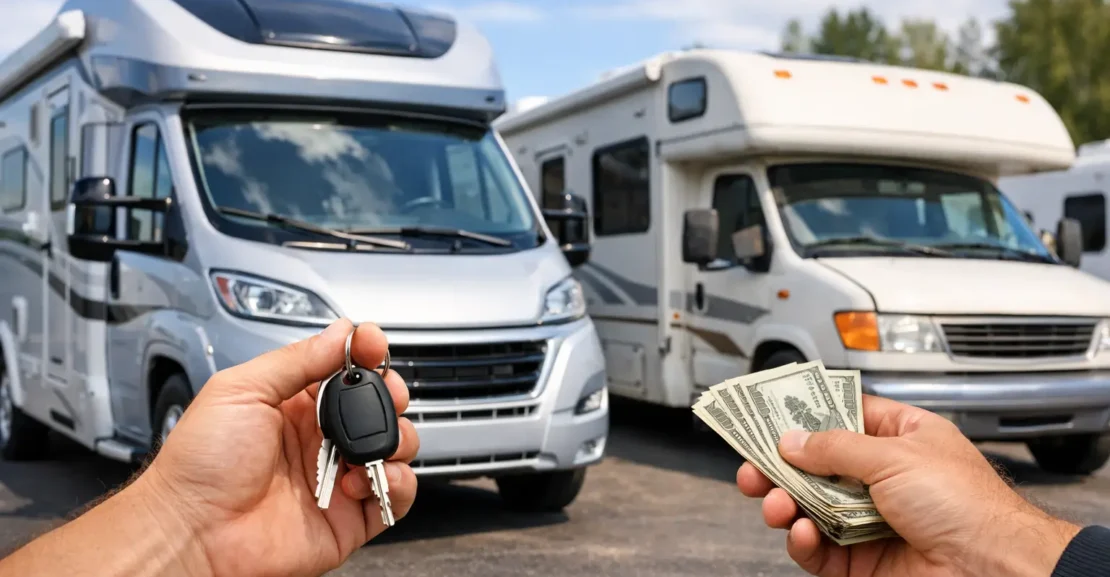
You can feel the difference straight away when you step into a brand-new motorhome. Everything is untouched, the layout feels crisp, and there’s a quiet confidence in knowing the kilometres are yours. But when the price tag comes into focus, the new motorhome vs used question becomes much more than a matter of preference. It becomes a decision about travel style, budget, risk, and how much support you want around the purchase.
For many buyers in New Zealand, there isn’t a single right answer. The better option depends on how you plan to use the vehicle, how comfortable you are with maintenance, and whether you value warranty protection more than immediate savings. A good purchase is not simply the newest vehicle you can afford. It is the one that fits your lifestyle without creating stress after the handover.
New motorhome vs used: the biggest difference is cost
The most obvious gap between a new and used motorhome is price, but the real story is what that price buys you over time. A new motorhome will usually demand a significantly higher upfront spend. In return, you are generally getting the latest design, fresh appliances, modern safety systems, and manufacturer warranty coverage.
A used motorhome often delivers more space or a higher spec for the same money. That matters if your budget has a firm ceiling. Instead of stretching to a small new unit, you may be able to buy a larger used model with features that make longer trips more comfortable, such as a separate shower, better storage, solar capability, or a more generous bed layout.
The trade-off is that used vehicles can come with hidden wear. Tyres age, seals deteriorate, upholstery shows use, and appliances may be nearing replacement even if they still function at inspection. So while the purchase price may be easier to manage, you need to leave room in the budget for catch-up maintenance and upgrades.
Depreciation matters more than many buyers expect
If you are weighing up new motorhome vs used, depreciation deserves close attention. New motorhomes typically lose value fastest in the first few years. That does not make them a poor choice, but it does mean the premium you pay upfront may not be reflected in resale value later on.
Used motorhomes, particularly those that have already gone through the steepest early depreciation, can hold value more steadily if they are well cared for. In practical terms, that can make a used purchase feel financially safer for some buyers. You are not paying the same premium for the first-owner experience.
That said, resale value is not only about age. Brand reputation, service history, layout, kilometre reading, condition, and even sleeping configuration can all affect how desirable a motorhome is when it is time to sell. A poorly chosen used vehicle can still be difficult to move on, while a well-specified new one may remain highly attractive.
Warranty versus known history
One of the strongest arguments for buying new is warranty protection. For buyers who want peace of mind, this can be a major advantage. If something goes wrong with the base vehicle or fitted equipment, you are often dealing with a covered issue rather than an unexpected bill.
That level of protection suits people who are new to motorhome ownership or who simply want fewer unknowns. It can also make the first year or two of ownership less stressful, especially if you are planning extended travel and want confidence in the vehicle from the outset.
Used motorhomes rarely offer the same safety net, but they may offer something else that is just as valuable – a proven track record. If a motorhome has been serviced properly, stored well, and used sensibly, its condition may tell a reassuring story. A documented history, clear ownership records, and evidence of regular maintenance can reduce a lot of uncertainty.
This is where inspection matters. With a used motorhome, the right checks are not optional. Moisture ingress, accident repairs, appliance operation, electrical systems, suspension, brakes, and general habitation condition all need proper attention before you commit.
Features and layout can tip the decision
A new vehicle often wins on technology and finish. You may get updated safety features, more efficient systems, better insulation, and more refined interior design. If comfort and convenience are high priorities, those improvements can be worthwhile.
But layout matters more than novelty. A motorhome can be beautifully finished and still be wrong for the way you travel. If one person likes early nights and the other wants to keep reading, sleeping and lounge arrangement suddenly become very important. If you plan to spend weeks away, payload, storage access, kitchen bench space, and bathroom usability become more important than shiny cabinetry.
Used buyers sometimes have an advantage here because they can target layouts that are no longer available new, or secure a better-equipped vehicle for the same spend. It is not unusual for a well-selected used motorhome to feel more liveable than a newer model that looks smarter in the yard but works less well on the road.
New motorhome vs used for first-time buyers
First-time buyers often assume new is safer. Sometimes it is. If you are uncertain about systems, servicing, and what to look for in an inspection, a new motorhome can feel more straightforward. There is comfort in knowing no one else has modified it, neglected it, or left you to uncover old issues.
But first-time buyers also benefit from avoiding overcapitalising on a lifestyle they are still testing. If you are not yet sure how often you will travel, where you will go, or what size vehicle suits you, a quality used motorhome may be the wiser entry point. It can give you experience without absorbing the full cost of buying new.
That is often the real question. Not simply, can you afford new, but do you need new for this stage of ownership?
Ongoing costs do not disappear after purchase
The purchase price is only the beginning. Registration, insurance, servicing, storage, tyres, and repairs all need to be considered. New motorhomes may require less immediate maintenance, but they still carry ongoing ownership costs. Used motorhomes may be cheaper to buy, yet more likely to need expenditure sooner.
Finance also changes the equation. A higher-priced new vehicle may be manageable with structured repayments, while a used purchase may allow you to borrow less or keep funds aside for upgrades and travel. Neither path is automatically better. It depends on your cash flow, appetite for risk, and whether preserving capital matters more than having the latest vehicle.
When buying new makes sense
Buying new is often the right call if you plan to keep the motorhome for many years, want modern features, and place a high value on warranty support. It also suits buyers who do not want to inherit someone else’s habits, modifications, or maintenance shortcuts.
For some couples, especially those preparing for retirement travel, the appeal is simple. They want to start with a clean slate and set the vehicle up exactly as they like. That confidence has real value, even if the price is higher.
When used is the smarter option
Used is often the better buy if you want more vehicle for your money, care about avoiding the steepest depreciation, or are happy to buy based on condition rather than model year. It can also be an excellent option for buyers who know exactly what layout they want and are prepared to wait for the right one.
A good used motorhome should not feel like a compromise. In many cases, it is the more balanced decision – especially when it has been carefully selected, inspected, and matched to the buyer’s travel plans.
That is where broker guidance becomes especially useful. A personalised buying process can help separate a genuinely good used vehicle from one that merely presents well. It can also stop buyers from spending extra on a new model when a better-suited used one is already available.
The right choice is the one that leaves you confident when you turn the key and head off, not the one that looks best on paper. If you approach the decision clearly, ask the right questions, and stay focused on how you actually plan to travel, both new and used can be excellent choices. The aim is not to buy the newest motorhome or the cheapest one. It is to buy the one that lets you enjoy the road ahead with fewer doubts behind you.