
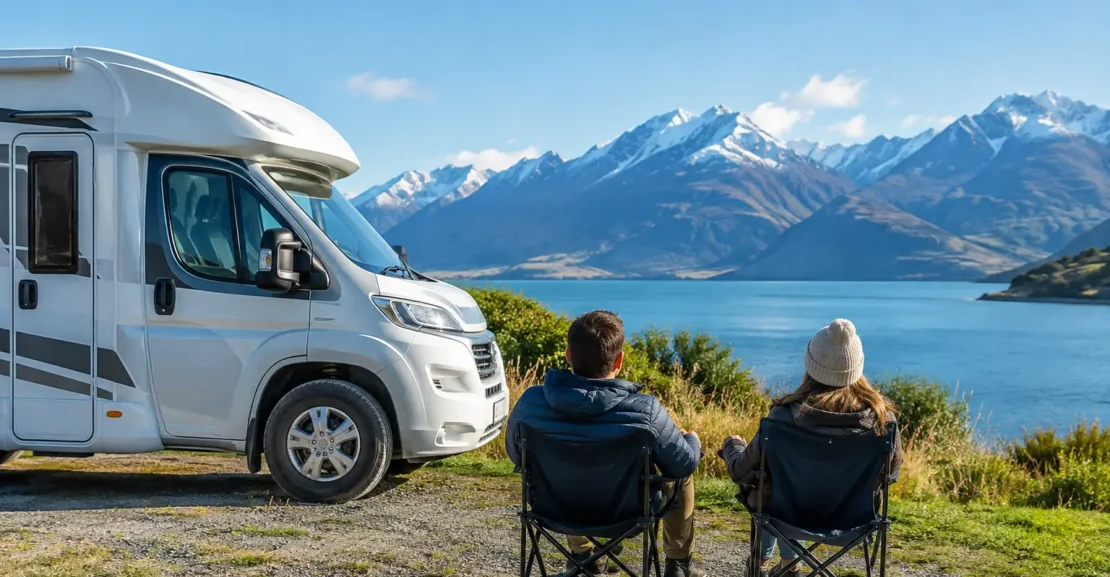
The sticker price is only the beginning of the decision. A motorhome, campervan or caravan can create years of memorable travel around New Zealand, but the best ownership experience starts with a realistic view of the ongoing costs. This guide to RV ownership costs is designed to help you look beyond the purchase price and choose an RV that suits both your travel plans and your budget.
The right figure will vary widely. A couple taking several extended trips each year will spend differently from owners who use their RV for long weekends or keep it parked for much of the year. Vehicle age, size, fuel type, storage arrangements and whether you tow a caravan all make a meaningful difference.
Start with the true purchase cost
The advertised price is the largest upfront expense, but it should not be the only number in your buying budget. Allow for a pre-purchase inspection, insurance before collection, registration-related costs where applicable, and the practical items that make the vehicle ready for your first trip.
A used RV may already include valuable extras such as solar panels, bike racks, levelling gear, an awning, a second battery or a satellite dish. Equally, an older vehicle may need new tyres, batteries, a service, replacement seals or appliance attention soon after purchase. Neither situation is automatically good or bad. What matters is understanding the condition and likely near-term spend before you commit.
If finance is part of the plan, consider the total cost over the loan term rather than focusing only on the weekly repayment. A larger deposit can reduce interest, while a shorter term usually costs less overall but requires higher repayments. It is sensible to leave some cash aside after settlement for setup costs and the first unexpected repair.
For caravan buyers, include the cost of making sure the tow vehicle is suitable. Tow rating is only one part of the picture. Payload, tow-ball weight, brake controller requirements, mirrors and the weight of passengers and luggage all need to be considered carefully.
Running costs in this guide to RV ownership costs
Fuel and road user charges
Fuel is often the most visible day-to-day expense. Larger, heavier motorhomes generally use more fuel, particularly on hilly routes, into a headwind or when fully loaded. A compact campervan may be more economical and easier to use for local errands, while a larger motorhome can offer considerably more comfort for longer stays. This is one of the clearest examples of ownership costs following the type of travel you want to do.
Diesel motorhomes also require road user charges. These should be included in your annual estimate alongside fuel, rather than treated as an occasional surprise. Petrol vehicles do not use RUCs in the same way, but may have different fuel consumption. LPG systems, where fitted, add another fuel source and servicing consideration.
Your annual kilometres matter more than almost any headline fuel estimate. Think honestly about the trips you expect to take: a few thousand kilometres a year creates a very different budget from regular South Island tours, seasonal escapes and long-distance family visits.
Registration, WOF or CoF, and insurance
Registration is a predictable annual cost, although the amount depends on the vehicle. The inspection requirements can vary too. Many lighter motorhomes fall under the warrant of fitness system, while heavier vehicles may require a certificate of fitness. Confirm the requirements for the particular RV, especially if it is close to a weight threshold or has been modified.
Insurance deserves close attention. Comprehensive cover can protect a significant investment, but premiums depend on the RV’s value, where it is stored, the drivers, excess level and intended use. Be clear about accessories, contents, windscreen cover, water damage and whether the policy supports the way you travel. An RV used for occasional holidays may be assessed differently from one used for extended touring.
Do not choose cover on price alone. A policy that appears cheaper can have exclusions or an excess that feels less attractive when you need to make a claim.
Servicing, repairs and preventative maintenance
Every RV has two sides to maintain: the vehicle itself and the living area. The engine, brakes, suspension, tyres and transmission need routine attention, while the habitation side includes the house batteries, water pump, fridge, toilet, gas system, heating, seals and electrical equipment.
Budget for annual servicing even if you do not travel far. Fluids age, seals dry out and batteries lose capacity when a vehicle sits unused. Tyres may have good-looking tread but still need replacement because of age or cracking. For vehicles with diesel heating, solar systems or more complex electrical setups, specialist servicing can be worthwhile.
Water ingress is one of the costliest issues to avoid. Regularly checking roof seals, windows, hatches and exterior joins is far less expensive than repairing concealed moisture damage later. A clean, well-maintained RV also holds its value better when it is time to sell or upgrade.
It helps to keep a maintenance reserve rather than expecting every year to be the same. A newer RV may have lower repair needs but higher purchase and insurance costs. An older, well-cared-for model can represent excellent value, provided you allow for maintenance and buy with a clear understanding of its condition.
Storage can change the annual budget
Where your RV lives between trips has a direct effect on cost, convenience and condition. Some owners have room at home, while others use a secure storage facility. Paid storage adds to annual ownership costs, but it may be worthwhile if it protects the vehicle from weather, reduces security concerns and frees up space at home.
Before buying, measure access as well as parking space. Consider height clearance, turning room, gates, overhanging trees and whether you can safely connect power for battery maintenance. If the RV will be stored outdoors, covers and regular cleaning may be sensible additions to your budget.
A caravan may cost less to buy than a motorhome, but it still needs suitable storage and a capable tow vehicle. A motorhome can be easier to set up on arrival, whereas a caravan may let you leave your accommodation at a campsite and use the tow vehicle for day trips. Cost is only one part of that choice.
Travel costs are part of the lifestyle
Owning an RV can reduce accommodation spending on some trips, but it does not make travel free. Holiday parks, powered sites, dump station access in some locations, ferries, tolls, activity costs, groceries and occasional laundry all belong in the wider travel budget.
Freedom camping may be available in certain areas for eligible self-contained vehicles, but local rules differ and change. It should never be the foundation of an ownership budget. Many travellers prefer the certainty of holiday parks, particularly when they want power, showers, laundry facilities, a reliable water supply or a social atmosphere.
Ferry crossings are another consideration for North and South Island travel. The size and length of the RV can affect the fare, so a larger vehicle has an impact beyond fuel and servicing. If regular inter-island touring is on your wish list, factor this in before choosing the longest motorhome or caravan available.
Allow for equipment, but avoid buying everything at once
New owners can easily spend heavily on accessories before they have taken their first proper trip. Some essentials are sensible from day one: hoses, power leads, chocks, basic tools, safety equipment and bedding. Beyond that, it often pays to travel a few times before deciding what will genuinely improve your setup.
You may discover that you need better outdoor chairs, an additional battery, a reversing camera, a bike rack or a portable barbecue. Or you may find that less gear makes travelling easier. Every accessory adds cost, weight and somewhere to store it.
A practical handover and operating walkthrough can save money here. Understanding how to run the fridge, manage batteries, empty waste tanks and check water levels helps prevent avoidable damage and makes early trips more enjoyable.
Think about resale from the beginning
An RV is a lifestyle purchase, not usually a financial investment. Like most vehicles, it is likely to depreciate. However, some choices help protect resale value: buying a well-regarded model, keeping service records, addressing maintenance promptly, avoiding unapproved modifications and presenting the RV cleanly when it is time to sell.
The most affordable RV is not always the cheapest one advertised. A vehicle with a sound maintenance history, appropriate layout and desirable equipment may cost more initially but be easier to enjoy and sell later. At RVfinders, the aim is to help buyers weigh these details against how they genuinely plan to travel, rather than simply chasing the lowest price.
Give yourself permission to choose the RV that fits your real life. A clear annual budget, a modest maintenance reserve and the right vehicle for your travel style will do far more for your enjoyment than stretching for features you may rarely use.