
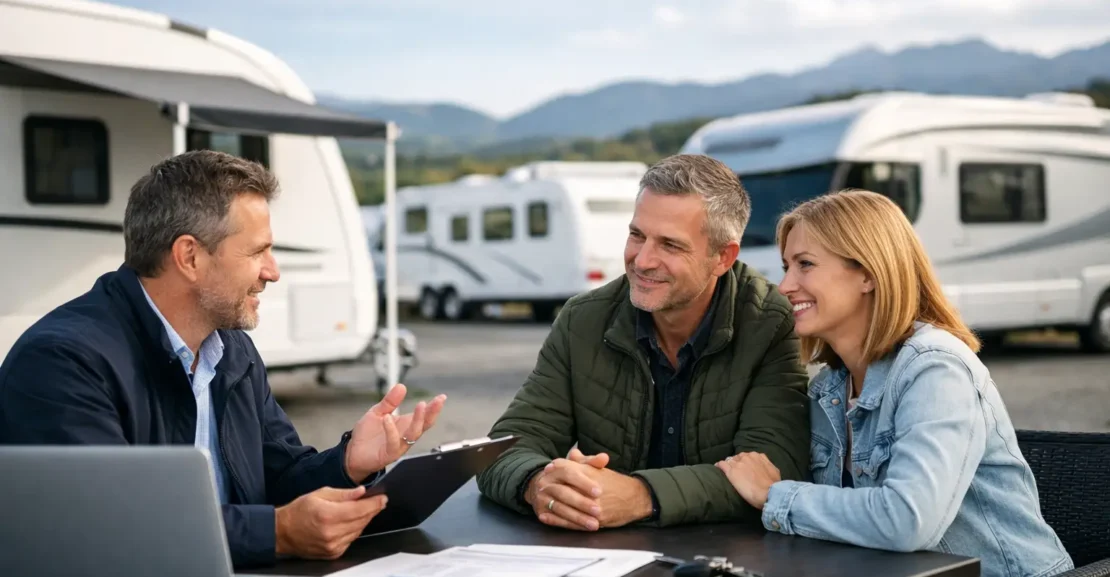
Selling a caravan is rarely as simple as taking a few photos and putting up an advert. It represents holidays, family time and plans that may have changed, so it deserves a considered approach. This caravan seller support guide is designed to help New Zealand owners prepare their caravan properly, set realistic expectations and move towards a sale with less uncertainty.
The best result usually comes from good preparation, accurate information and a buyer who understands what they are viewing. Whether you are moving into a motorhome, stepping away from caravanning or simply making room for a different chapter, a well-managed sale protects the value of the vehicle and your time.
Start with an honest assessment of your caravan
Before deciding on a price, look at the caravan as a buyer will. Walk around the exterior in daylight, inspect every locker, open the windows and cupboards, and run the key systems. Pay close attention to tyres, brakes, lights, coupling equipment, awning condition, seals, flooring and any signs of moisture. A clean caravan is valuable, but a clean caravan with unresolved issues can quickly undermine buyer confidence.
Small maintenance jobs are often worth doing before marketing. Replacing a faulty light fitting, repairing a loose cupboard catch or servicing an overdue appliance can make viewings more straightforward. Larger work needs a more commercial judgement. If the caravan needs substantial repairs, obtain clear information about the likely cost and decide whether to repair it, adjust the asking price or disclose the issue to prospective buyers from the outset.
Honesty is not a disadvantage. Buyers are generally realistic about the age and condition of a pre-owned caravan, particularly when the information is clear and consistent. Surprises found during an inspection, however, can stop a sale or lead to difficult negotiations.
Gather the paperwork before you advertise
A complete file helps buyers feel comfortable and allows you to answer questions without scrambling through drawers. Have the registration details, ownership records, service invoices, manuals, warranties that can be transferred and receipts for meaningful upgrades ready. If the caravan has a current Warrant of Fitness, note the expiry date. If it has been stored or serviced by a specialist, those details can also provide useful reassurance.
Make a list of what will stay with the caravan. This may include power leads, hoses, levelling blocks, towing mirrors, annexes, bedding, cookware or portable solar gear. These items can add appeal, but only when they are accurately described. If a cherished accessory is not included, remove it before viewings to avoid confusion.
Price it for the market, not the memories
Owners naturally remember what they paid, what they have invested and the trips that made the caravan special. Those factors matter personally, but the market is guided by present condition, age, layout, specification, brand reputation and comparable vehicles available to buyers.
Look at similar caravans, not just any caravan at a similar price. Consider the number of berths, overall length, tare and gross weight, bathroom arrangement, heating, solar setup, air conditioning, condition of upholstery and practical towing requirements. A late-model, self-contained caravan equipped for longer touring appeals to a different buyer from a compact weekend model.
It also pays to consider timing. Demand can lift before popular travel periods, while a caravan listed in quieter months may need stronger presentation or a more flexible price. There is no single right figure for every seller. An ambitious asking price can leave a caravan sitting too long, while pricing too low may prompt concern that something is wrong. A sensible price gives buyers room to see value while respecting the condition and equipment on offer.
Professional guidance can be especially helpful where a caravan is unusual, has major accessories, has been imported, or has limited comparable listings. At RVfinders, seller support is built around helping owners position their vehicle with clarity rather than simply placing it in front of an audience and hoping for the best.
Prepare for photos and viewings
Presentation creates the first impression, often before a buyer has read a word of the description. Wash the exterior, clean the wheels and windows, remove personal clutter and give the interior a proper freshen-up. Open blinds to bring in light, but avoid staging the caravan so heavily that buyers cannot see the actual storage and living space.
Photographs should show the caravan truthfully and from useful angles. Include both sides, the front and rear, the entry, lounge, kitchen, beds, bathroom, storage areas and key equipment. Good light makes a considerable difference. Exterior photos are best taken on a dry day with room around the caravan, while interior images work best when the space is tidy, bright and naturally arranged.
A detailed description should answer the questions a serious buyer will ask: year, make, model, length, sleeping capacity, layout, weights, registration status, Warrant of Fitness, self-containment status where applicable, notable features, recent servicing and included accessories. Describe upgrades factually rather than relying on broad claims such as “immaculate” or “must see”. Specifics build more trust.
Make viewings comfortable and secure
Appointment-based viewings offer a better experience than hurried visits. Buyers have time to look through the caravan, ask practical questions and picture their own travel plans. Sellers can prepare the vehicle and avoid multiple strangers arriving unexpectedly.
Before a viewing, ensure the caravan is accessible and safe to inspect. Have keys ready, make sure steps are stable, and, where possible, demonstrate that lights, water, heating, refrigerator and other equipment are operating. If a system has a particular operating sequence, explain it plainly. A first-time caravan buyer may need more guidance than an experienced owner, and that conversation can make the difference between interest and confidence.
Security matters too. Do not hand over keys or allow an unaccompanied inspection. If a buyer wishes to tow the caravan or arrange an independent inspection, agree on the process in advance. A genuine buyer will understand reasonable safeguards around a valuable asset.
Be ready for the questions that affect a decision
Most buyers will ask why you are selling. A straightforward answer is usually best. They may also ask about towing, storage, maintenance, leaks, servicing, battery life, power systems and whether the caravan suits freedom camping or holiday-park use. If you do not know an answer, say so and offer to check the paperwork rather than guessing.
Towing suitability deserves particular care. Buyers need to match the caravan’s weight and dimensions with the towing capability of their vehicle, as well as consider their own confidence behind the wheel. Avoid assuring someone that their tow vehicle is suitable unless the relevant specifications have been properly checked. It is better to encourage informed decisions than create a problem after handover.
Expect negotiation, but do not feel pressured to make a rushed decision. A buyer may raise a valid point about tyres, servicing or an accessory that needs attention. That does not necessarily mean the sale is failing. It may simply be the point where both parties work towards a fair figure. Knowing your preferred price, your lowest acceptable position and what is included gives you a calm basis for those conversations.
A caravan seller support guide for a clean handover
Once a sale is agreed, put the important details in writing. Confirm the agreed price, deposit arrangements, payment method, inclusions, collection date and any conditions, such as an inspection or finance approval. Be cautious with payment confirmation and do not release the caravan until cleared funds are received through an agreed, secure process.
Before handover, remove personal belongings, cancel or transfer insurance as appropriate, and complete the required registration change process. Provide the manuals, keys, service records and accessory information promised in the sale. A final walkthrough is time well spent, particularly if the buyer is new to caravanning. Show them how to connect power and water, use the heating and fridge, secure the caravan for towing, manage the awning and locate key shut-off points.
This is also the right moment to explain any useful quirks. Perhaps a cupboard needs a firmer push to latch, the hot water system needs a minute to ignite, or a particular window has a preferred way of closing. These details may seem minor, but they help the buyer start well and reflect the care you have taken throughout the transaction.
A good caravan sale should leave both parties clear about what has changed hands and confident about what comes next. Take the extra time to prepare, communicate openly and hand over knowledge as well as keys. The next owner is not just buying a caravan – they are getting ready to make their own New Zealand memories on the road.