
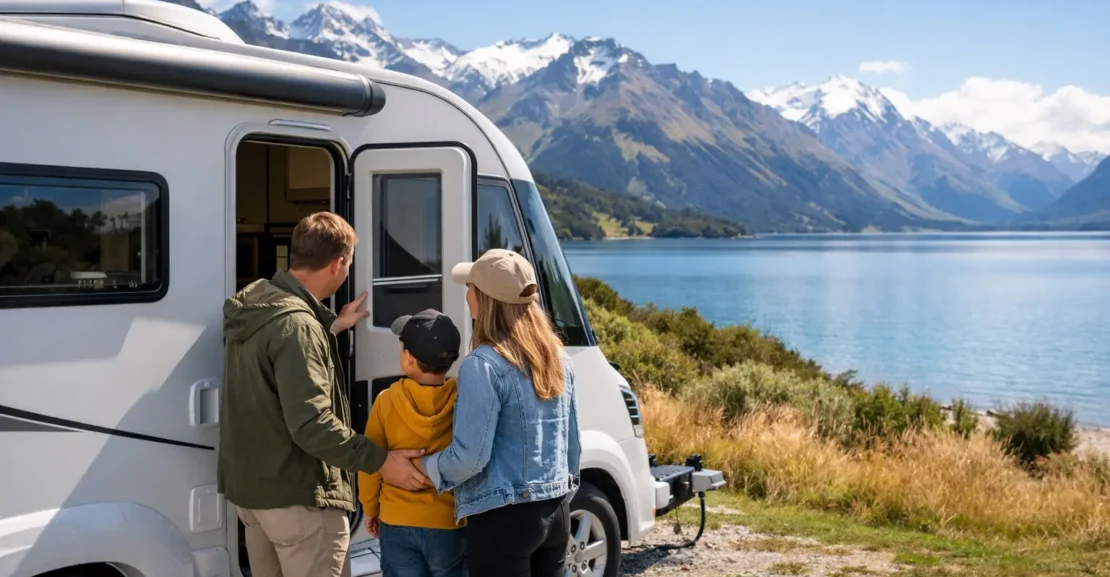
A caravan can look perfect on a sunny forecourt, then feel very different on the first wet afternoon when you are packing up at a holiday park, towing into a tight site or making dinner with the windows closed. The best first time caravan buyers guide starts with how you genuinely plan to travel, not with the shiniest caravan or the longest features list.
For many New Zealand couples and families, buying a caravan is a considered lifestyle decision. It should make weekends away and longer road trips easier, more comfortable and more affordable over time. Getting the fundamentals right before you buy gives you far more freedom once you are on the road.
Start with your style of travel
Think about where you will go in the next 12 to 24 months. Will you mainly stay in established holiday parks with powered sites, or are you hoping to spend longer periods away from services? Do you picture short breaks close to home, a summer tour around the South Island, or months travelling after retirement?
A compact caravan can be easier to tow, reverse, store and fit into older campsites. It may be the smarter choice for a couple taking frequent weekend trips. A larger, more self-contained caravan offers extra living space, a bigger fridge, a separate shower and toilet, and more storage. The trade-off is greater weight, a larger tow vehicle requirement and less flexibility in tight spaces.
Layout matters more than exterior length. Sit in the dinette, stand at the kitchen bench and imagine a rainy day indoors. Check whether you can move around each other comfortably and whether the bed is simple to access without rearranging cushions. If one person wakes earlier, a permanent bed and separate seating area can make a real difference.
Match the caravan to your tow vehicle
Towing suitability is one of the most important parts of buying a caravan in New Zealand. It is not enough to know that your vehicle can technically pull the caravan. You need to understand its braked towing capacity, towball download limit, gross combination mass and payload. These figures must work together.
The caravan’s tare weight is its unladen starting point, not its travelling weight. Once you add food, clothing, bedding, water, gas bottles, outdoor chairs, tools and personal items, weight builds quickly. Accessories such as bike racks, awnings and solar equipment can also affect payload and towball weight.
Your tow vehicle has limits too. Passengers, luggage, recovery gear and accessories all count towards its payload. A caravan that is within the vehicle’s advertised towing capacity may still create an unsafe or non-compliant combination once it is fully loaded.
If you are changing vehicles as well as buying a caravan, decide on the likely caravan weight and layout first. That usually gives you a clearer basis for selecting the right tow vehicle. A proper assessment before purchase is far less stressful than discovering later that your vehicle is marginal.
Consider how confident you are towing
New caravan owners often underestimate the practical side of towing. Reversing, managing crosswinds, braking smoothly and allowing extra distance all take practice. A lighter caravan can suit a first-time owner well, but weight alone does not determine towing confidence. A stable, correctly loaded caravan with suitable brakes, tyres and suspension is the priority.
Plan to practise in a quiet, open area before your first big trip. Learn how the hitch, safety chains, electrical connection, jockey wheel, handbrake and breakaway system work. A thorough operating walkthrough is valuable because it turns unfamiliar equipment into a routine pre-departure check.
New or used: choose condition over assumptions
A new caravan can offer a warranty, modern features and the satisfaction of being the first owner. It can also cost more, and some buyers may prefer to avoid the early depreciation of a new purchase. A well-kept used caravan can represent excellent value, particularly when it has been stored well and serviced properly.
Age is only one part of the story. Look closely at maintenance, evidence of water ingress, tyre age and the condition of appliances. A newer caravan with poor repairs or no service history may be a greater risk than an older model that has been carefully maintained.
When viewing a used caravan, take your time. Do not let a tidy interior distract from the basics. Open every locker, look beneath cushions, inspect the underside where practical and ask to see the systems operating. Check for musty smells, soft patches in walls or floors, staining around windows and roof joins, cracked sealant, and signs of leaks near hatches or skylights.
A sensible inspection should cover at least these areas:
- The chassis, drawbar, coupling, brakes, suspension and wheel bearings.
- Tyres, including date codes, visible cracking and the condition of the spare.
- Gas, electrical, plumbing, hot water and heating systems.
- The fridge, cooktop, toilet, taps, water pump, lights and battery charging.
- Roof seals, windows, awning fabric, doors, locks and flyscreens.
Ask about servicing, repairs, storage and why the owner is selling. Straight answers and supporting paperwork are useful signs. If anything is unclear, factor the cost of an independent inspection into your buying process rather than making assumptions.
Decide how self-contained you need to be
For travellers who mostly use holiday parks, a simple caravan with a good kitchen, comfortable bed and ample storage may be all that is needed. If you intend to spend longer away from powered sites, look more closely at battery capacity, solar charging, freshwater and grey-water storage, waste arrangements and heating.
More off-grid capability can be worthwhile, but it adds cost and complexity. Larger tanks and batteries also add weight. The right setup depends on whether self-contained travel is central to your plans or simply an occasional option. Buying more system capacity than you will use can mean carrying extra weight for little benefit.
Think about the small comforts as well. Good ventilation, insulation, a usable shower, enough kitchen bench space and practical storage often matter more on the road than a long list of optional extras. New Zealand weather can change quickly, so assess how the caravan will work in wind, rain and cooler conditions, not just during a warm viewing.
Budget for ownership, not only the purchase price
Set a comfortable purchase budget, then leave room for the costs that follow. Registration, insurance, servicing, tyre replacement, storage, campsite fees, repairs and towing accessories all form part of caravan ownership. Depending on the setup, you may also need a brake controller, suitable towing mirrors, a weight-distribution solution or upgraded electrical equipment.
Finance can help some buyers purchase sooner or retain savings for travel and unexpected costs, but repayments should leave enough margin for operating the caravan properly. The cheapest caravan is not always the best value if it needs immediate tyres, sealing work, appliance repairs or a tow vehicle upgrade.
It is also wise to consider resale from the beginning. Popular layouts, sensible weights, clean maintenance records and well-maintained interiors tend to appeal to future buyers. Choose a caravan that suits your travel plans, but avoid buying a highly specialised layout unless you are certain it is what you need.
Take your time at the viewing
A caravan purchase should not feel rushed. View it in person, ideally with the person who will travel with you. Bring a notebook, take photos of anything you want to compare later and ask practical questions. Can you reach the cupboards? Is the shower large enough? Where will wet coats, shoes and outdoor gear go? Can you set up the bed without shifting half the caravan?
If you are buying through a specialist broker, use their knowledge. At RVfinders, the right match is about more than finding a caravan in a particular price range. It is about understanding your intended travel, your towing setup and the features that will make ownership enjoyable rather than complicated.
The right first caravan does not have to do everything. It simply needs to suit the trips you will actually take, be safe and manageable to tow, and give you confidence to leave the driveway more often. Take the time to ask the awkward questions before you buy, and your first night away is more likely to feel like the beginning of a good habit.