
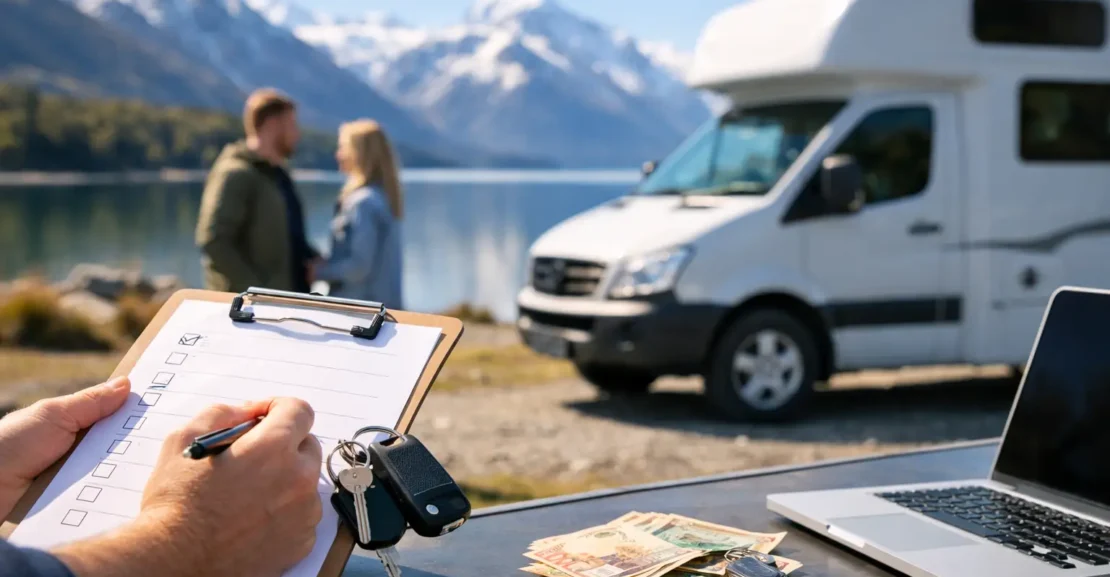
A campervan often carries more than kilometres on the clock. It may have been the base for South Island summers, family holidays, or the beginning of a long-awaited retirement adventure. That is why a good campervan seller checklist is about more than giving it a wash and putting an advert online. It helps you present an honest, well-prepared vehicle that gives the next owner confidence from their first enquiry.
For most sellers, the best result comes from preparation before marketing begins. A clean campervan, clear paperwork and realistic price set the tone for every viewing and reduce the chance of delays once a buyer is ready to proceed.
Campervan seller checklist: get the essentials in order
Start with the documents a sensible buyer will want to see. Having them organised makes your vehicle easier to assess and shows that it has been cared for properly. Create one folder, either physical or digital, containing the registration details, current Warrant of Fitness, service invoices, owner manuals, appliance instructions and receipts for meaningful upgrades or repairs.
If your campervan has a diesel engine, ensure its road user charges are current. Where applicable, have evidence of current gas certification, electrical work, self-containment status and any supporting paperwork. Requirements can change, so it is wise to check that all certifications and labels remain current before advertising rather than leaving questions for inspection day.
Service history matters, even where it is not perfectly complete. An invoice for a recent timing belt, brake work, new tyres, house-battery replacement or habitation service can materially reassure a buyer. Be clear about what has been done, when it was done and what work may be due next. Trying to make a vehicle sound faultless is rarely as effective as being upfront and well informed.
Before you list, check that you have:
- both sets of keys, including remote fobs and security keys
- vehicle manuals and manuals for the fridge, heater, hot water system and solar controller
- service records, WOF information and registration details
- receipts for upgrades, repairs and accessories
- certification documents relevant to gas, electrical systems and self-containment
- finance clearance information, if there is money owing on the vehicle.
If finance is still attached to the campervan, deal with it openly. A buyer will understandably want certainty that the vehicle can be transferred free of any security interest. Your lender can explain the settlement process, and a broker can help keep the transaction clear for both parties.
Prepare the vehicle buyers will actually inspect
A campervan can be mechanically sound but still lose appeal if it feels neglected. Buyers notice odours, clutter, stained upholstery and tired sealant quickly, particularly in a compact living space. Start by removing personal belongings, emptying lockers and giving every storage area a proper clean. Do not forget the cab, boot space, awning bag and external hatches.
A professional groom can be worthwhile for a late-model or higher-value campervan, but careful preparation matters more than an expensive polish. Wash the exterior, clean the wheels, clear leaves from vents and check that all lights work. Inside, clean windows, kitchen surfaces, the shower and toilet cassette compartment thoroughly. Air the vehicle out before viewings and avoid using overpowering fragrances to hide a damp or stale smell.
Then test the systems as a buyer would. Run the taps, operate the fridge on the available power sources, turn on interior lights, test the heater and hot water system, check the reversing camera, and deploy the awning if fitted. Confirm that the leisure batteries charge as expected and that solar charging is functioning. A small fault discovered in advance is usually simpler and less stressful to resolve than one found halfway through a viewing.
Water ingress deserves particular attention. Look around roof vents, windows, joins and external lockers for signs of staining, soft surfaces, mould or deteriorated sealant. Not every cosmetic issue needs to be repaired before sale, and a full refurbishment does not always return its cost. However, known water damage, mechanical faults or appliance issues should be disclosed clearly. Buyers can accept a fair price for a vehicle needing work; they are far less comfortable with surprises.
Decide what to repair and what to disclose
There is a practical balance. Replace inexpensive items that affect first impressions or everyday usability, such as blown bulbs, cracked vent catches, worn wiper blades or missing cupboard latches. Address safety-related concerns promptly. For more substantial work, obtain a quote and consider whether repairing it will genuinely improve the sale price or simply make the vehicle easier to sell.
Be ready to explain any imperfections in plain language. For example, a stone chip, ageing upholstery or a temperamental flyscreen does not need a dramatic story. State what it is, whether it affects use and whether it has been reflected in the price. Straight answers build trust.
Set a price using evidence, not attachment
It is natural to value a campervan according to the trips you have enjoyed and the money spent improving it. The market, however, responds to the vehicle’s age, mileage, condition, layout, drivetrain, maintenance history and comparable models currently available.
Look at similar campervans of the same approximate year and type, but compare carefully. A low-kilometre two-berth van with a modern layout is not directly comparable with a larger coachbuilt motorhome, even if the asking prices appear close. Consider whether yours has desirable features such as automatic transmission, a proven self-contained configuration, solar, an inverter, a bike rack or a popular bed layout. Equally, be realistic about older technology, cosmetic wear and upcoming maintenance.
Leave room for reasonable discussion, but avoid setting an inflated figure simply to see what happens. An overpriced listing can sit for weeks, become stale and eventually attract lower offers. A well-supported price attracts more genuine enquiries and gives you a stronger position when discussing value.
Photograph and describe it honestly
Your advert is the buyer’s first inspection. Take photographs in good daylight with the campervan clean, level and fully set up. Include the front and rear exterior, both sides, cab, dinette, bed made up, kitchen, bathroom, storage, dashboard, tyres and any valuable equipment. Photos should answer questions, not create them.
In the description, lead with the details buyers use to decide whether the vehicle suits their travel style: make and model, year, kilometres, transmission, berth number, seating, fuel type and key layout features. Then cover the equipment that adds practical value, such as heating, solar, battery capacity, bike rack, towbar, reversing camera or outdoor shower.
It also helps to state recent servicing, tyre age where known, certification status and any notable upgrades. Mention known faults or limitations without burying them in the final line. A buyer travelling some distance for a viewing will appreciate knowing the full picture beforehand.
Make viewings easy, safe and useful
Appointment-based viewings give you time to prepare the campervan and speak properly with each prospective buyer. Ask a few helpful questions before they arrive: how many people will travel, whether they need an automatic, how long they plan to be away and what sort of trips they have in mind. Their answers help you demonstrate the parts of the vehicle that matter to them.
At the viewing, begin with the exterior and cab, then move through the living area in a natural order. Show how the bed converts, where luggage goes, how the heating and power systems operate, and what is included in the sale. Let buyers open cupboards and sit in the dinette. A campervan is a lifestyle purchase, so they need to picture ordinary mornings as well as holiday freedom.
Keep test drives sensible. Confirm the prospective driver is appropriately licensed and insured, accompany them where practical, and choose a route that allows them to assess braking, steering and general road manners. If a buyer requests an independent inspection, that is usually a positive sign of serious intent. Make reasonable access available and allow time for the process.
Be ready for the handover
When you have agreed a sale, put the important terms in writing. This should cover the agreed price, deposit, remaining payment, inclusions, any conditions such as an inspection, and the handover date. Do not release the campervan, keys or transfer documents until payment arrangements are confirmed and cleared.
On handover day, provide all keys, paperwork and included accessories. Walk the buyer through the basics rather than rushing them out the gate. Show them how to connect power, fill water, operate the fridge, manage waste systems and secure the vehicle. This final courtesy can prevent anxious phone calls later and leaves both parties feeling the sale has been handled properly.
Selling privately can be rewarding, but it also asks you to manage enquiries, pricing conversations, inspections, paperwork and handover yourself. For owners who would prefer a more managed approach, RVfinders can provide broker-led support and present the vehicle to suitable buyers with the care such a purchase deserves.
A well-prepared campervan gives its next owner a better start on the road. Give them clear information, a vehicle that is ready to inspect and enough time to make a confident decision.