
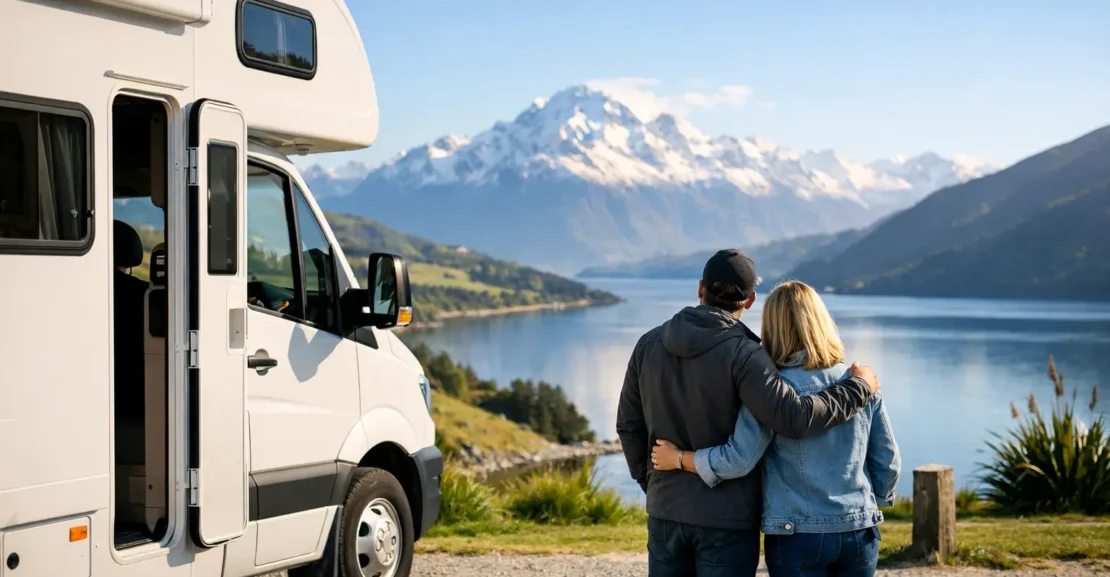
A motorhome holiday can look wonderfully simple: collect the keys, point the bonnet towards the coast, and wake up somewhere new each morning. The reality is that the quality of the trip often comes down to decisions made before you leave the depot. When you rent a motorhome NZ travellers can enjoy extraordinary freedom, but the right vehicle, rental terms and route make all the difference.
For couples considering the motorhome lifestyle, hiring is also more than a holiday option. It is one of the most practical ways to learn what size, layout and equipment genuinely suit you before committing to ownership. A few days on the road will tell you far more than a quick walk-through ever can.
Start with the trip, not the vehicle
It is tempting to begin with photos of large, well-appointed motorhomes. Instead, start with how you plan to travel. A couple touring the South Island for two weeks may value a comfortable lounge, separate shower and generous storage. A shorter North Island break with frequent town stops may be better in a more compact campervan that is easier to park and manoeuvre.
Think about your preferred pace. If you want to move every day, a vehicle that is quick to set up and pack down matters. If you plan to stay several nights at holiday parks or scenic campsites, living space, heating and a good kitchen may be more valuable. There is no universally best motorhome. The best choice is the one that supports the way you actually want to travel.
Also consider where you want to go. Some of New Zealand’s most rewarding roads are narrow, winding or exposed to changing weather. Larger motorhomes offer more comfort, but they need more room at fuel stops, in car parks and when reversing into a site. For first-time drivers, confidence behind the wheel is worth prioritising.
Choose the right size and layout
The number of berths is only a starting point. Two people can technically travel in a four-berth motorhome, but that does not automatically make it the right choice. Extra beds may mean more interior space, or they may simply reduce lounge room and storage once converted for sleeping.
For most travelling couples, assess the daytime layout as carefully as the bed. Sit in the dinette, imagine preparing breakfast, and check whether there is a permanent bed or a nightly conversion. A permanent island or east-west bed is convenient, especially on a longer journey, while a convertible dinette can be perfectly suitable for a short hire if space and budget are the priority.
Look closely at the bathroom too. A combined shower and toilet is common in compact vehicles and works well for many travellers. A separate shower can feel more comfortable on an extended trip, although it usually comes with a larger vehicle and a higher daily rate. Kitchen bench space, fridge capacity, heating, flyscreens and external storage can all have a greater impact on everyday comfort than a glossy specification sheet suggests.
Ask what is included before comparing prices
A low daily hire rate is not always the lower-cost rental. Before booking, confirm the full picture: insurance excess, bond requirements, kilometres included, additional driver charges, linen and kitchen packs, roadside assistance, cleaning expectations and any one-way fee.
Fuel is another significant cost. A larger motorhome will generally use more diesel, and diesel vehicles may involve road user charges depending on the rental arrangement. Ask the provider to explain exactly what is included and what you will pay at the end of the hire. Transparent answers early on prevent awkward surprises later.
It is also sensible to ask about battery capacity, solar charging and what appliances can run when you are not plugged into mains power. If you intend to spend time away from powered sites, these details matter. A self-contained vehicle offers flexibility, but it does not mean unlimited power, water or waste capacity.
The practical checks before you drive away
Take the collection handover seriously. It is not a formality to rush through when you are eager to get on the road. Ask the staff member to demonstrate the important systems and record anything you are unsure about on your mobile.
You should know how to connect to power, fill fresh water, empty grey water and toilet waste, operate the fridge, use the heating, check gas bottles, lower the step, secure cupboards and close roof hatches. Clarify the dashboard controls, reversing camera, cruise control and any height clearance display. If something is unclear, ask again. A good handover should leave you comfortable, not embarrassed to call for help at the first campsite.
Walk around the vehicle before departure and note existing marks or damage. Check the tyres, windscreen, lights, awning and external lockers. Inside, make sure the equipment listed in your agreement is present and that the bed, shower and cooking facilities are in working order. This takes a few minutes and gives you a clearer starting point.
Drive for the vehicle, not just the road
Motorhomes are heavier, taller and slower to respond than a standard car. Allow extra braking distance, take corners steadily and watch for overhanging branches, low canopies and height restrictions. The most common pressure points are often fuel stations, supermarket car parks and tight holiday-park lanes rather than open highways.
New Zealand roads reward an unhurried approach. Build time into your day for rest stops, viewpoints and weather delays. Avoid arriving at an unfamiliar campground after dark where possible, particularly if you are still gaining confidence reversing. If you have not driven a larger vehicle recently, practise in a quiet area before joining busier traffic.
Keep in mind that a motorhome’s centre of gravity changes when water tanks are full and cupboards are loaded. Secure loose items before driving, including appliances, bottles and outdoor furniture. A careful routine each morning makes travel safer and protects the interior from unnecessary wear.
Plan overnight stays with flexibility
New Zealand offers holiday parks, Department of Conservation campgrounds and designated freedom camping locations, each with different facilities and rules. Holiday parks are often ideal at the beginning of a trip because they provide powered sites, showers, laundry and an easy place to become familiar with the vehicle. They can also be a welcome reset after several nights on the move.
Freedom camping is not simply parking wherever the view is best. Local bylaws, signage and self-containment requirements apply, and permitted areas can change. Plan ahead, respect restrictions and always dispose of waste at approved dump stations. Looking after the places you visit is part of being welcomed back to them.
In peak periods, booking popular destinations can remove a great deal of stress. At other times, leave room for a change of plan. A road closure, a wet forecast or a place you love may lead you somewhere different from the original itinerary. That ability to adjust is one of the real pleasures of motorhome travel.
Is a rental a useful step towards ownership?
For many people, the answer is yes. A rental lets you test the questions that matter: whether you enjoy driving a larger vehicle, how much storage you use, whether you need a separate shower, and whether you prefer a compact campervan or a fully featured motorhome. It also reveals the rhythm of the lifestyle, from emptying tanks to deciding how often you want to relocate.
Keep simple notes during the trip. You may discover that you need more bench space, a different bed arrangement, better insulation for winter travel or a larger lounge for longer stays. Equally, you may find that hiring occasionally suits your lifestyle better than owning. Both are valid outcomes.
If ownership begins to feel like the right next step, speak with a specialist who can help translate your rental experience into a sensible shortlist. RVfinders works with buyers who want considered advice around vehicle condition, suitability, finance and the practical realities of motorhome ownership, rather than pressure to choose quickly.
The best motorhome journey begins with a vehicle that fits your plans and the confidence to use it well. Allow time for the handover, travel at a pace that feels comfortable, and let the first trip show you what freedom on the road means for you.