
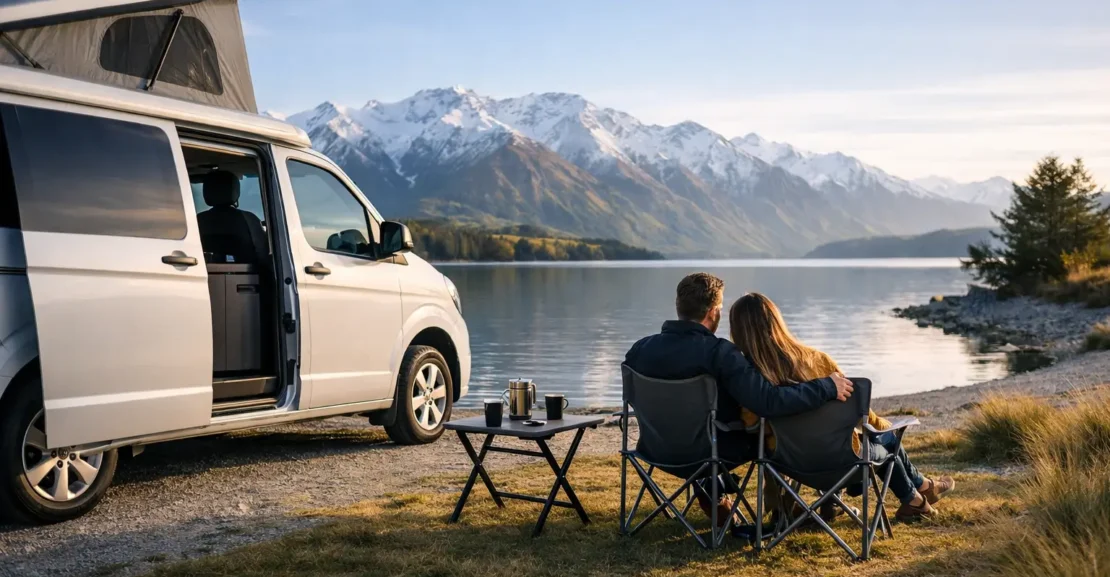
A campervan that feels perfect on a dealer yard can become surprisingly awkward by the third rainy night away. For couples, that gap matters. The best campervan for couples is not simply the smallest one you can manage or the fanciest one in your budget. It is the one that suits how the two of you actually travel – how long you stay put, how much gear you carry, how much privacy you need, and how confident you feel behind the wheel.
For many buyers in New Zealand, the search starts with size and price. Both are important, but they are rarely the full story. A couple planning weekend trips around the North Island will usually want something quite different from a pair heading off for extended South Island touring. The right choice comes down to layout, storage, self-containment, bed design and everyday liveability.
What makes the best campervan for couples?
For couples, comfort is less about sleeping two people in a van and more about living well together in a compact space. That means being able to make a cup of tea without climbing over each other, having enough room for clothes and food, and not needing to rebuild the bed every time someone wants to sit down.
A good couples campervan should feel easy on ordinary days. Can one person cook while the other relaxes? Is there proper ventilation when the weather turns muggy? Can you both sit inside comfortably if the forecast is miserable for a day or two? These are the details that shape the ownership experience far more than a glossy brochure does.
Driving confidence matters too. Some couples want the security of a larger motorhome with a full washroom and generous storage. Others prefer a compact campervan that is easier to park at the beach, simpler to manoeuvre through town, and less intimidating on narrow roads. Neither option is automatically better. It depends on where you travel and how self-sufficient you want to be.
Start with your travel style, not the badge
It is easy to focus on brand names, but layout and condition often matter more than the logo on the front. The best campervan for couples is usually the one that matches your travel habits rather than a model someone else recommends online.
If you are planning quick getaways, a compact two-berth van with a simple galley and flexible seating may be all you need. It will be easier to store at home, cheaper to run, and less stressful for first-time owners. If you expect to spend weeks away at a time, especially through mixed weather, more interior space quickly becomes valuable.
Think honestly about your routines. Do you like staying at holiday parks with facilities, or would you rather pull up in more remote spots? Do you cook proper meals, or keep things simple? Do you pack light, or does one of you travel with bikes, fishing gear, golf clubs or a full wardrobe? Couples often discover that storage becomes one of the biggest pressure points, particularly on longer trips.
The layouts that work best for two
Not every two-berth layout suits a couple equally well. Some are clever on paper but frustrating in practice.
Fixed bed layouts
A fixed rear bed is popular for good reason. It removes the daily hassle of converting your lounge into a sleeping area and gives you a more settled routine on the road. Under-bed storage is often excellent as well, which helps if you carry outdoor gear or folding chairs.
The trade-off is that a fixed bed takes up space all day, so the lounge and kitchen may feel tighter. For couples who prioritise ease and comfort, especially on longer trips, that compromise is often worth it.
Lounge conversion layouts
Some campervans use the dinette or rear lounge as the bed each night. This can create a more open and social living space during the day, and in shorter vans it can be the smartest use of space.
The downside is routine. Making and packing away the bed every day sounds minor until you do it for two weeks straight. If one person likes an early night and the other wants to keep reading, a convertible layout can feel limiting.
Twin single layouts
Twin singles are often overlooked by couples who assume they need a double bed. In reality, this layout can work very well. It gives each person easier access in and out of bed and can make the interior feel more spacious. In some vehicles, the singles can convert into a larger bed if preferred.
This option tends to suit travellers who value personal sleeping space or have different bedtime habits.
Size matters, but not in the way most people think
Bigger is not always better. A larger campervan can provide a separate shower and toilet, more bench space and more comfortable seating, which is appealing for extended travel. It can also feel more stable as a long-term lifestyle purchase.
But a larger vehicle brings extra considerations. Ferry costs, fuel use, parking convenience and storage at home may all change. Some buyers love the extra comfort but use the vehicle less because it feels cumbersome for spontaneous trips.
A compact campervan, by contrast, often gets used more often because it feels manageable. It is easier to take away for a long weekend and usually less daunting for the partner who is less confident driving. The compromise is that rainy days and longer journeys require more patience and better packing discipline.
Features worth paying for
When couples compare options, a few features tend to prove their value quickly.
A proper toilet and shower can make a major difference if you want flexibility beyond campgrounds. Heating is another standout, especially for shoulder-season travel or South Island trips. Good insulation and ventilation matter more than many first-time buyers expect, because condensation and temperature swings can affect comfort every day.
Battery capacity and solar are also worth close attention if you plan to freedom camp or spend time away from powered sites. A stylish interior means little if you are constantly watching your power use.
Kitchen usability deserves a careful look. Bench space, fridge size and practical storage are easy to underestimate during a short viewing. If two of you enjoy cooking, even basic meals, a cramped galley can become frustrating quickly.
New, used or somewhere in between?
For many couples, a quality used campervan can be the most sensible choice. Someone else has already taken the sharpest depreciation, and you may gain more features for the same budget. The key is buying with clear information about condition, servicing, compliance and how the vehicle has been cared for.
Newer is not automatically better if the layout is wrong for you. Likewise, an older campervan can still be an excellent fit if it has been maintained properly and suits your needs. This is where experienced guidance becomes valuable, because a tidy-looking vehicle may still have compromises that are not obvious at first glance.
How to choose the best campervan for couples without regret
The safest approach is to test the vehicle against real use, not imagined use. Sit in it for longer than five minutes. Open every locker. Picture a wet day inside. Ask where shoes go, where jackets hang, where groceries live, and whether one person can rest while the other moves around.
If possible, think beyond the first trip. Many couples buy for the holiday they are excited about right now, not the three or four years of touring ahead. If you expect your travel to grow from short breaks to longer adventures, buying slightly ahead of your current needs can be wise. On the other hand, overstretching for features you may never use can leave you with more vehicle than you really want.
For New Zealand buyers, it also helps to think practically about our roads, campgrounds and climate. A campervan that feels ideal overseas may not be the best match here. Local knowledge matters, particularly when weighing up self-containment requirements, servicing access, and resale appeal in the NZ market.
That is why many couples benefit from talking through their plans with someone who understands both the vehicles and the way people actually use them. At RVfinders, those conversations are often where the best decisions start – not with pressure, but with the right questions.
The right campervan should make travel feel simpler, not more complicated. If a vehicle gives both of you confidence, enough comfort for the way you holiday, and the freedom to head off without overthinking every detail, you are probably looking at the right one.