
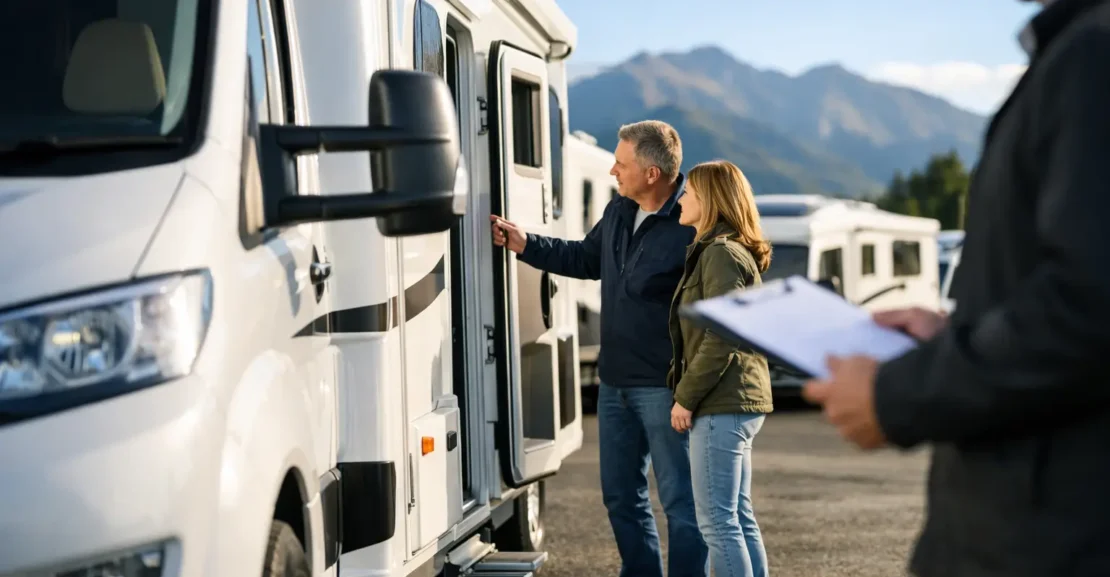
That first walk through a used motorhome can be deceptive. The upholstery looks tidy, the kitchen seems roomy, and you can already picture a long weekend by the coast. Then, a week later, you realise the bed is awkward to make up, the storage is too tight, and the water damage hidden behind a panel is going to be expensive. A good used motorhome buying guide is not just about spotting faults. It is about making sure the vehicle actually suits the way you plan to travel.
For most buyers, this is a lifestyle purchase first and a vehicle purchase second. That is why the right approach starts with clarity about how you will use it, not with the gloss of the first one that catches your eye.
Start with the right kind of motorhome
Before you compare prices, start by narrowing down the type and layout that fit your travel plans. A couple doing extended South Island trips has very different needs from a family taking occasional summer holidays, and both will shop differently from a solo traveller wanting easy parking and simple set-up.
Think about where you will sleep, how often you will move, and whether you value lounge space over storage. A rear island bed can feel luxurious, but it may reduce living space and payload. A compact motorhome is easier to drive and store, but it may feel cramped on a rainy week away. Fixed beds save daily effort, while convertible dinettes can free up daytime room. There is no perfect layout, only the layout that best matches your habits.
It also pays to think honestly about self-containment, off-grid capability, and seasonal use. If you mainly stay in holiday parks, you may not need a heavily equipped setup. If you want longer freedom camping trips, battery capacity, water storage and heating move much higher on the list.
Budget for more than the purchase price
A used motorhome buying guide should always include the costs that sit beyond the window sticker. Buyers often focus on purchase price, then get caught out by servicing, tyres, certification, insurance, registration, storage and upgrades.
A cheaper motorhome can quickly become the expensive option if it needs new tyres, brake work, appliance repairs or upholstery replacement straight away. On the other hand, a well-maintained vehicle with a slightly higher asking price may represent better value if the servicing history is strong and the important systems have already been looked after.
Set a full ownership budget, not just a buying budget. Leave room for immediate maintenance and a few practical changes after purchase. Many owners end up adding solar, changing bedding arrangements, fitting bike racks or updating electronics once they start using the vehicle.
Condition matters more than age alone
One of the biggest mistakes buyers make is treating age as the main measure of value. Age matters, but condition, maintenance and storage history matter more.
A 15-year-old motorhome that has been carefully serviced, stored under cover and regularly used can be a better buy than a newer vehicle with patchy records and signs of neglect. Mechanical systems do not love long periods of sitting idle, and neither do seals, batteries or tyres.
Ask for service history, compliance paperwork, manuals and receipts for repairs or upgrades. If the seller cannot show much documentation, that does not automatically make it a bad vehicle, but it does mean you need to inspect it more carefully and price the risk accordingly.
Check for water ingress first
If there is one issue that deserves extra attention, it is water ingress. Damp can hide behind walls, around windows, in roof joins and under flooring. It can lead to structural damage, mould, soft panels and expensive repairs.
Look for staining, bubbling wall coverings, musty smells, warped timber, discoloured seals and any softness when you press gently around openings. If anything feels off, take it seriously. A motorhome can look clean and still have moisture issues developing out of sight.
Inspect the mechanical side separately
Buyers sometimes focus so heavily on the living area that they undercheck the base vehicle. Engine condition, transmission, brakes, suspension, tyre age and service intervals matter just as much as the fridge and shower.
Check the odometer in context. High kilometres are not always a problem if maintenance has been consistent. Very low kilometres are not always reassuring if the vehicle has spent years parked up. What you want is evidence of proper care.
Pay close attention to layout in real use
A motorhome can feel spacious during a quick viewing and frustrating once you imagine a normal day inside it. This is where a practical used motorhome buying guide can save buyers from expensive second thoughts.
Sit in the lounge as if you are spending an evening there. Stand in the kitchen and picture making breakfast. Test the shower, toilet access and bed length. Open cupboards. Check whether two people can move around without constantly blocking each other. If one of you gets up early and the other sleeps in, think about whether the layout allows for that.
Storage deserves more attention than many buyers give it. Ask yourself where bedding, food, outdoor chairs, clothing, tools and hoses will go. A beautiful interior loses appeal quickly if everything ends up piled on a seat.
Check compliance and certifications
In New Zealand, paperwork is not an afterthought. It is part of the buying decision.
Confirm the registration, warrant requirements, self-containment status where relevant, and any certification for gas and electrical systems. If a seller is vague about these details, slow the process down and verify everything properly.
You also want to know whether any modifications have been done and whether they were completed to the right standard. Added accessories can be useful, but poorly installed solar, electrical work or aftermarket fittings can create headaches later.
A pre-purchase inspection is money well spent
Even experienced buyers benefit from an independent inspection. A proper pre-purchase check gives you a clearer picture of structure, systems and mechanical condition before you commit.
This matters even more with used motorhomes because they combine a road vehicle with a compact home. You are assessing plumbing, gas, electrics, appliances, bodywork and driveline all at once. Missing one issue can undo the value of what looked like a smart purchase.
An inspection also helps with negotiation. If faults are found, you can decide whether to walk away, ask for repairs, or adjust the price. That creates a more transparent transaction and reduces the chance of unpleasant surprises after handover.
Buy for the next five years, not just the next trip
It is easy to buy based on excitement. It is wiser to buy based on how your travel will actually look over time.
Ask yourself whether you plan to take longer trips, travel in cooler months, host grandchildren, tow a small car, or spend more time off-grid. The motorhome that suits your first holiday may not suit the next phase of ownership. Resale should also be part of the picture. Popular layouts, sensible sizes and well-documented service history generally make future selling easier.
This is where broker-led support can be valuable. A good adviser will not just point you towards what is available. They will help you weigh suitability, condition and long-term value against your budget and travel plans.
When to walk away
Sometimes the best buying decision is no decision. If the vehicle has unclear ownership history, obvious damp, poor documentation, rushed answers from the seller or multiple systems not working, it may be better to keep looking.
The same applies if the layout is wrong but the price is tempting. Buyers can forgive cosmetic wear. They rarely stay happy with a poor floorplan. The wrong motorhome tends to show its flaws quickly once you are on the road.
Patience usually pays off. The right used motorhome should feel like a good fit on paper and in person, with enough evidence to support confidence rather than guesswork.
The best purchase is the one that feels clear
A used motorhome does not need to be perfect to be the right buy. It needs to be sound, well matched to your travel style, and honestly represented. That balance is what gives buyers confidence.
At RVfinders, we see the difference that careful guidance makes. When buyers take the time to inspect properly, ask the right questions and choose with their real travel plans in mind, ownership starts with excitement instead of uncertainty. If you keep your focus on suitability, condition and transparency, the right motorhome usually becomes much easier to spot.