
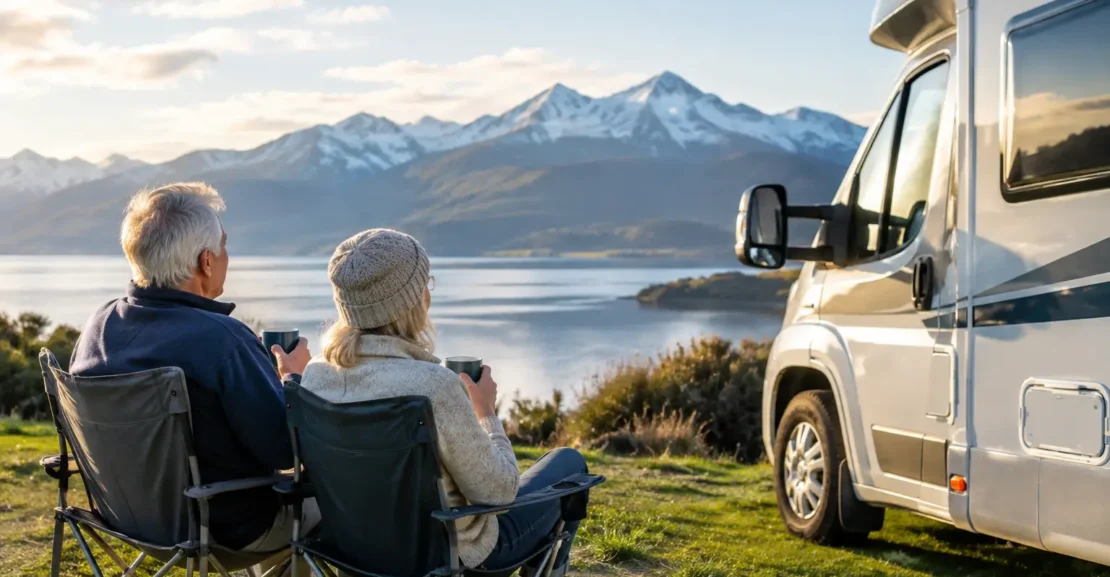
A motorhome can turn retirement plans into real weekends away – from a quiet spot by the lake to a longer trip around the country. But before choosing layouts, beds and solar systems, many buyers ask: can retirees finance a motorhome? In many cases, yes. Retirement itself does not automatically prevent someone from obtaining finance. The key question is whether the repayments are affordable and appropriate for your circumstances.
For retired and soon-to-retire New Zealanders, finance should support the lifestyle you want without putting pressure on the income and savings that need to last. That calls for a clear view of your budget, the motorhome’s true ownership costs and the lending term you are comfortable with.
Can retirees finance a motorhome in NZ?
Lenders generally assess an application based on affordability, credit history, the amount being borrowed, the security offered and the applicant’s overall financial position. Age may influence the loan term or the information requested, but it is not usually the only factor.
Retirees can have reliable income sources that lenders may take into account, including NZ Super, workplace or private pensions, rental income, investment income, part-time work and income from a business. Savings, term deposits and other assets can also demonstrate financial stability, although assets alone do not necessarily replace the need to show that repayments can be met from income.
Every lender has its own policy. Some may be more comfortable with a shorter loan term, a larger deposit or a motorhome that meets particular age and value criteria. This is why it pays to discuss your circumstances early rather than assuming finance is unavailable because you have stopped full-time work.
What lenders are likely to consider
A finance application is not simply about the purchase price of the vehicle. It is about whether the loan fits comfortably within your wider household budget. If you are applying as a couple, lenders will normally look at your combined income, regular commitments and debts.
They may consider your income after retirement, existing home-loan payments, credit cards, personal loans and regular living costs. They will also assess the proposed repayment amount and the value of the motorhome being used as security. A clean repayment record and a manageable level of existing debt can strengthen an application.
The term matters as much as the interest rate. Spreading repayments over a longer period can reduce the weekly or monthly figure, but it may increase the total interest paid. A shorter term means higher repayments, yet can reduce the overall cost of borrowing. There is no single right answer. The sensible choice is the one that leaves room in your budget for normal living costs, unexpected repairs and the travel you actually want to enjoy.
Income is only one part of affordability
It is easy to focus on whether NZ Super or pension income will be accepted. The more useful question is what remains after all regular costs are paid. A lender may use its own affordability calculation, but you should complete your own realistic version first.
Include rates, insurance, utilities, food, medical costs, subscriptions, existing vehicle expenses and any support you provide to family. Then allow for the cost of owning the motorhome: registration, servicing, tyres, warrant requirements, storage if needed, fuel, camp fees and contents or vehicle insurance. A repayment that looks manageable on paper can feel quite different once the vehicle is on the road.
The vehicle itself can affect the finance options
Newer motorhomes often suit conventional vehicle finance more easily because their value and condition are simpler to assess. Older vehicles can still be excellent purchases, particularly when they have been carefully maintained, but lending options may be narrower depending on the vehicle’s age, value and condition.
This is one reason to choose a motorhome based on suitability, not just a tempting price. A well-presented vehicle with good service history, sensible kilometres and features you will genuinely use can offer better long-term value than a cheaper motorhome needing immediate work.
Start with a budget that reflects real motorhome ownership
A deposit can make a material difference. It reduces the amount borrowed, lowers repayments and may improve the finance options available. It also provides a useful buffer against the early costs of ownership, especially if you need to buy bedding, kitchen gear, hoses, levelling equipment or other essentials.
Avoid using every dollar of savings for the deposit. Retirement budgets benefit from a cash reserve for home maintenance, health costs and unexpected motorhome repairs. A motorhome is a lifestyle purchase, but it is still a vehicle with mechanical systems, appliances and ongoing maintenance needs.
Before deciding on a price range, work through four figures: the purchase price, your available deposit, a comfortable repayment amount and the cash you want left in reserve. These figures give you a more dependable starting point than shopping solely by the maximum amount a lender may approve.
Choosing between secured finance and other borrowing
Motorhome finance is often secured against the vehicle. Because the lender has security, this may offer a more suitable rate or term than an unsecured personal loan. However, it also means the motorhome can be repossessed if repayments are not met, so the commitment deserves careful consideration.
Some buyers use savings, redraw facilities or other forms of borrowing. The best route depends on your overall financial position, the cost of each option and how much flexibility you need. Comparing repayments alone is not enough. Ask about the interest rate, establishment fees, monthly account fees, early repayment conditions and the total amount payable over the full term.
A fixed rate can make budgeting easier because repayments are predictable for the fixed period. A variable rate may offer different flexibility, but repayments can change if rates move. It is worth asking how each option works before signing rather than relying on the headline rate.
Practical steps before you apply
Good preparation makes the process clearer and often quicker. Gather evidence of your income, recent bank statements, identification, details of existing debts and information about the motorhome you intend to buy. If you are receiving income from investments, rental property or a pension, have the relevant documentation ready.
Check your credit record and address any errors before applying. If you have recently retired, it can also help to show how your income has changed and what ongoing income will look like. Clear documentation gives the lender a more accurate picture and reduces unnecessary back-and-forth.
Try not to submit several finance applications in a short period without a plan. Multiple credit enquiries can complicate your credit profile. A better approach is to understand your likely borrowing position first, then apply for an option that suits your circumstances.
Match the motorhome to the way you will travel
Finance is only one part of a sound decision. The wrong motorhome can become expensive even if the loan is affordable. Consider whether you will mostly take short breaks, travel for months at a time, stay in holiday parks or spend time off-grid. Think about driving confidence too. A larger motorhome offers more space, but a compact campervan may be easier to park, manoeuvre and use for everyday trips.
Look closely at bed access, heating, bathroom layout, storage, payload and the condition of appliances. If one partner has mobility concerns, the number of steps, bathroom access and bed height may matter far more than a glossy interior. A proper viewing and walkthrough can reveal details that photos cannot.
At RVfinders, the focus is on helping buyers match the vehicle to their travel plans, not simply choosing the biggest or most expensive option. That guidance can be particularly valuable for first-time motorhome owners who want to make a confident, informed purchase.
Questions worth asking before signing
When discussing motorhome finance, ask whether the rate is fixed or variable, what fees apply, whether extra repayments are allowed and whether there is a charge for paying the loan out early. Confirm the total repayment amount over the full term, not just the weekly figure. Also ask what insurance the lender requires and whether there are restrictions on the age or type of motorhome.
If you are using a deposit from savings, ask yourself one final practical question: would you still feel secure if the motorhome needed an unexpected repair in the first year? If the answer is no, a lower purchase price or a larger savings buffer may be the better choice.
Retirement should give you more freedom to choose how and where you spend your time. The right motorhome finance arrangement is one that lets you enjoy that freedom with confidence, knowing the vehicle, repayments and ongoing costs all fit comfortably with the life you have planned.