
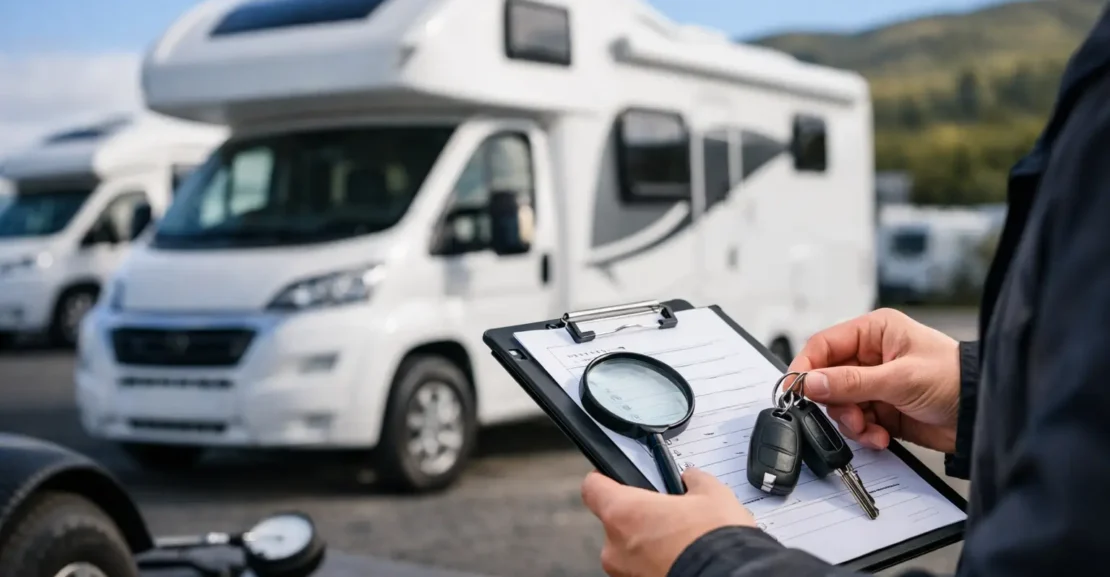
A motorhome can look perfect in photos, then feel completely wrong the moment you step inside. The bed is awkward to access, the storage is tighter than expected, or the layout that seemed clever online suddenly feels cramped. That is why buyers searching used motorhomes for sale NZ usually need more than a list of vehicles. They need clear guidance on what will actually work for the way they plan to travel.
Why used motorhomes for sale NZ attract so much interest
For many New Zealand buyers, the appeal is straightforward. A used motorhome can offer far better value than buying new, especially if the original owner has already absorbed the early depreciation. In many cases, you can step into a higher-spec vehicle, a better layout, or a stronger build quality than your budget would allow in a brand-new model.
There is also a practical advantage in buying used. You are not choosing from a brochure and waiting to see how the vehicle performs in real life. You can inspect the storage, test the seating, check how the systems operate, and get a much clearer sense of whether the motorhome suits your travel style. For buyers planning extended trips, that matters more than glossy presentation.
Still, buying used does come with trade-offs. Age, maintenance history, wear and tear, and previous usage all affect value. Two motorhomes of a similar age can feel worlds apart depending on how they have been looked after.
Start with lifestyle, not just price
A common mistake is setting a budget first and trying to make any available motorhome fit. A better approach is to think about how you will actually use it. Weekend touring around the North Island places different demands on a vehicle than long seasonal trips through both islands. A couple travelling occasionally may be happy with a more compact setup, while buyers planning months on the road often need more comfort, storage and self-containment capability.
The layout usually matters more than first-time buyers expect. A rear island bed can make daily living easier, but it may reduce lounge space. A smaller vehicle can be easier to drive and park, but may feel limiting on longer trips. Fixed beds, swivel seats, larger bathrooms, solar setup, heating, and kitchen bench space all affect day-to-day comfort.
That is where broker-led advice makes a real difference. A good match is not simply about what is available. It is about balancing budget, layout, features and long-term suitability so you do not outgrow the vehicle too quickly.
What to check before you buy
When comparing used motorhomes for sale NZ, condition should always carry more weight than cosmetic appeal. A tidy interior is nice to have, but the key questions are mechanical soundness, water integrity, and evidence of careful ownership.
Service and maintenance history
Start with documentation. A well-maintained motorhome should have a service record that shows regular attention to the engine, transmission, brakes, tyres and scheduled maintenance items. Gaps in history do not automatically mean a vehicle is poor, but they do increase uncertainty. If the owner cannot clearly show what has been done and when, you may need to be more cautious.
Ask about recent repairs as well. Sometimes a major recent spend is a positive sign because it means important work has already been completed. Other times it may hint at recurring issues. Context matters.
Signs of water ingress
Water damage is one of the biggest concerns in any used RV purchase. It is not always obvious at first glance. Soft spots, staining, musty smells, bubbling surfaces, or discoloured joins can all suggest moisture problems. Even a well-presented motorhome deserves a careful inspection in this area.
This is where experience counts. Buyers often notice upholstery and appliances first, while an experienced eye will check seals, rooflines, corners, windows and vulnerable entry points.
Habitation equipment and onboard systems
A motorhome is more than a vehicle. It is a living space with systems that need to function reliably. Test the fridge, heating, water pump, hot water, lights, gas appliances, battery system and any solar setup. If the vehicle includes a toilet and shower, make sure they are not just present but genuinely practical to use.
If you are new to ownership, do not underestimate the value of a proper operating walkthrough. Knowing that everything works is one thing. Knowing how to use it confidently is another.
Compliance and certification
Check the details around registration, warrant requirements, and where relevant, self-containment status. Standards and requirements can change, so it is worth confirming what applies to the specific vehicle rather than relying on assumptions. For some buyers, especially those planning freedom camping, this point can be more important than an extra feature or newer upholstery.
Price is only part of the value equation
It is natural to compare asking prices closely, but the cheapest option is not always the smartest buy. A lower-priced motorhome may need immediate spending on tyres, batteries, mechanical work or habitation repairs. A slightly dearer vehicle with strong history and sound condition can end up being better value over the first year of ownership.
Brand, age, mileage and fit-out all influence pricing, but so does demand. Some layouts hold their appeal better than others. Vehicles with practical touring features, good storage and a reputation for reliability often attract stronger interest and hold value more consistently.
Buyers should also think ahead to resale. If your needs may change in a few years, choosing a model with broad market appeal can make the next step easier. The best purchase is not simply the one that suits today. It is the one that still makes sense when circumstances shift.
The difference between browsing and being well matched
There is no shortage of listings online, but volume does not always create clarity. In fact, it can do the opposite. Many buyers spend weeks comparing vehicles that look similar on paper, only to realise they are not confident about what matters most.
A personalised approach can save a great deal of wasted time. Instead of sorting through every possible option, buyers benefit from narrowing the field to motorhomes that genuinely fit their travel plans, driving confidence and budget. That is especially valuable for first-time buyers, but experienced owners upgrading or downsizing often appreciate it just as much.
At RVfinders, that broker-led process is a key part of the experience. It is less about pushing stock and more about helping people make a sound, informed decision with realistic expectations.
Questions worth asking at a viewing
A viewing should do more than confirm that the vehicle exists and looks tidy. It should answer the practical questions that determine whether ownership will be enjoyable.
Ask how long the current owner has had it and why they are selling. Find out where it has been stored, how often it has been used, and whether it has been serviced by specialists familiar with motorhomes. Ask what has been replaced recently and what may need attention next.
Then step back and assess the feel of the vehicle. Can you imagine packing for a proper trip? Is there enough room to move around when the bed is made up? Does the seating work for rainy days inside? Can you both access the essentials without turning every stop into a shuffle of bags and bedding? Those small usability points often become the big ones after purchase.
Why confidence matters in a high-value purchase
Buying a motorhome is rarely an impulse decision. It usually represents a lifestyle shift, a retirement plan, a long-held goal, or a commitment to travelling more often and more comfortably. That is why trust matters so much in the buying process.
People do not just want a vehicle. They want reassurance that they are choosing sensibly, paying fairly, and understanding what they are taking on. Honest advice, transparent communication and proper support before and after purchase can remove much of the uncertainty that makes buyers hesitate.
That support can be especially useful if finance is part of the plan, or if you are transitioning from a caravan or campervan and trying to work out what changes will make the biggest difference on the road.
The right used motorhome is not always the newest, the largest or the cheapest. It is the one that fits your travel plans, feels dependable, and gives you confidence every time you turn the key. If you take the time to look beyond the surface and ask the right questions, the search becomes far less overwhelming and much more rewarding.