
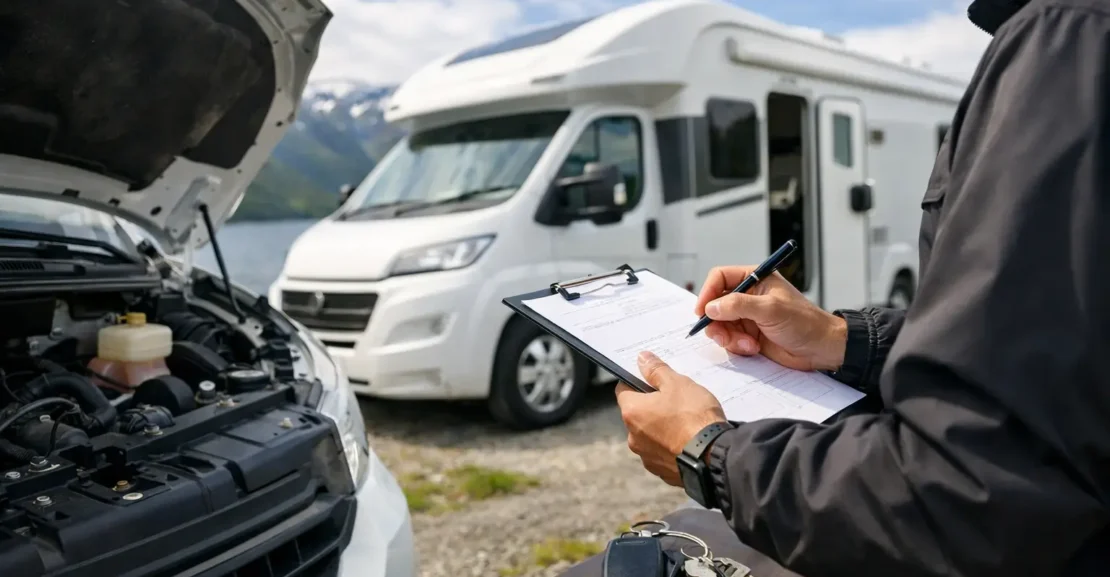
A motorhome can look tidy at first glance and still hide expensive issues under the surface. That is why a proper motorhome inspection checklist NZ buyers can rely on is less about ticking boxes and more about understanding how the vehicle has been used, maintained and cared for.
If you are buying your first motorhome, upgrading to something better suited to longer trips, or helping family make a purchase, inspection is where confidence is built. A good check helps you avoid moisture damage, mechanical surprises and layout regrets. It also gives you a clearer sense of whether the asking price matches the real condition of the vehicle.
Why a motorhome inspection matters in New Zealand
New Zealand conditions are tough on recreational vehicles. Strong UV, coastal air, winter storage, gravel roads and periods of sitting unused all take their toll. A vehicle can have low kilometres and still need attention if seals have perished, batteries have deteriorated or water has found its way into the body.
That is why inspection needs to cover more than the driving side. You are assessing two assets in one – a road vehicle and a compact home. The engine, transmission and suspension matter, but so do the shower, gas system, fridge, electrical setup and signs of past leaks.
For many buyers, the biggest risk is not one major fault. It is a collection of smaller issues that add up quickly after settlement. A cracked hatch seal, tired tyres, non-compliant gas work and a soft patch in the floor can turn a promising purchase into a costly one.
Motorhome inspection checklist NZ buyers should follow
Start outside and work methodically. Rushing from feature to feature is how problems get missed.
Exterior body and signs of water entry
Walk around the motorhome slowly and look along the sides, not just at them. Uneven panels, rippling, mismatched paint or repairs around corners and joints can point to accident damage or previous water intrusion. Check roofline mouldings, windows, hatches, vents and marker lights for cracked sealant or gaps.
Pay close attention to any staining, bubbling or softness around openings. Water damage is one of the most expensive issues in a motorhome because it often sits hidden behind linings and cabinetry. If the seller says a mark is old and harmless, that may be true, but it still deserves closer checking.
Open external lockers and inspect the seals, hinges and floor. Damp smells, discolouration and swollen timber products are warning signs. Roof inspection matters too. If safe access is available, look for sealant repairs, cracks around roof penetrations and general condition of the surface.
Chassis, tyres and underbody
Underneath tells you a lot. Surface rust can be normal on some older vehicles, but heavy corrosion, fresh underseal hiding repairs, or damage to mounts and brackets deserve caution. Look for fluid leaks, bent steps, damaged waste plumbing and signs the vehicle has bottomed out.
Tyres often get overlooked because the tread may still look acceptable. On a motorhome, age matters as much as wear. Ask for the tyre age and inspect sidewalls for cracking. Replacing a full set is not a small expense, so factor that into value.
Check that the spare is present and usable, and confirm the jack and wheel tools are included. If the vehicle has been stored for long periods, inspect for flat-spotting and perished rubber components.
Engine, driveline and service history
A neat engine bay is nice, but paperwork matters more. Ask for service records, timing belt history if applicable, Warrant of Fitness details and any invoices for major repairs. Consistent servicing usually tells a better story than a polished engine cover.
On start-up, listen for rattles, excessive smoke and rough idle. During a test drive, the motorhome should pull cleanly, steer predictably and brake without vibration or pulling to one side. Suspension noise, delayed shifting or overheating are obvious concerns, but also notice the less dramatic things – wandering on the road, excessive body roll or a harsh ride can point to wear or overloading.
If the motorhome has travelled very few kilometres for its age, ask how it has been stored and maintained. Low use can mean less wear, or it can mean seals, brakes and batteries have deteriorated from inactivity.
Interior condition and evidence of hidden wear
Inside, trust your senses. Smell is useful. Mustiness, heavy air freshener or damp odours should put you on alert. Walk every part of the floor in bare or soft shoes if possible. Spongy areas near the door, bathroom, bed base or kitchen often suggest moisture issues.
Open cupboards, lift mattress corners and inspect around skylights, windows and overhead lockers. You are looking for staining, soft wall linings, lifted edges and repairs that do not quite match. Cosmetic wear is expected. Structural damp is different.
Also check whether the layout suits the way you travel. A motorhome can be mechanically sound and still be the wrong fit. Bed access, storage, bench space and bathroom usability matter more over time than a flashy finish.
Appliances and systems need a full working check
A proper inspection means turning things on, not just asking whether they work.
Electrical, batteries and charging
Test the 12V and 240V systems where relevant. Check interior lights, water pump, fans, power points and the control panel. Ask the age and type of the house batteries and whether they hold charge properly. If solar is fitted, confirm it is charging as expected.
Electrical upgrades can be a real benefit, but only if they have been done properly. Poor aftermarket work is common enough to warrant caution. Untidy wiring, loose fittings or unclear system information can become frustrating later.
Gas, plumbing and appliances
Run the fridge on the available modes, test the cooker, turn on the hot water and check the shower and taps. Look underneath sinks and around the toilet for leaks or water staining. Waste tanks and freshwater tanks should be checked for condition and operation, not just capacity.
Gas systems should be compliant and in sound condition. Ask when they were last checked and whether any work has been certified. If there is any uncertainty around gas or electrical safety, independent inspection is money well spent.
Heating, cooling and comfort items
If fitted, test the heater, air conditioning, extractor fans, blinds, insect screens and swivel seats. These can seem minor during a short viewing, but replacements and repairs are not always simple, particularly on imported or older models.
A good inspection is partly about comfort. If you plan to tour in different seasons, heating, ventilation and insulation become more than nice extras.
Documents and compliance are part of the checklist
The vehicle itself is only half the picture. Confirm registration details, ownership, WOF and where relevant, any certification linked to self-containment requirements. Ask whether manuals, service books, appliance instructions and spare keys are included.
If accessories have been added – such as bike racks, satellite units, solar gear or towing equipment – ask whether installation paperwork is available. Clear documentation usually reflects careful ownership.
It also helps to ask direct questions. Why is the owner selling? How long have they had it? What has needed repair in their ownership? Honest answers often reveal more than a polished sales pitch.
When to bring in an expert
Some buyers are confident doing a thorough first pass themselves, and that is sensible. But if you are serious about purchasing, an independent pre-purchase inspection can save a great deal of stress. This is especially true for higher-value motorhomes, older vehicles, imports, or anything showing possible moisture damage.
A specialist can assess areas that are easy to miss, including moisture readings, compliance concerns and signs of poor repairs. They can also help separate normal age-related wear from faults that should affect the sale price or stop the purchase altogether.
This is where broker-led support can make the process easier. A business like RVfinders works with buyers who want guidance, not pressure, and that matters when you are weighing up suitability as well as condition.
What a good inspection really gives you
The best outcome is not finding a perfect motorhome. Very few used vehicles are perfect. The real goal is knowing what you are buying, what may need attention next, and whether the price reflects that reality.
A clean inspection can give you confidence to move quickly. A mixed inspection can help you negotiate fairly. And a poor inspection can save you from a decision that would have been expensive to unwind.
Take your time, ask practical questions and inspect with clear eyes. The right motorhome should feel exciting, but it should also stand up to scrutiny.