
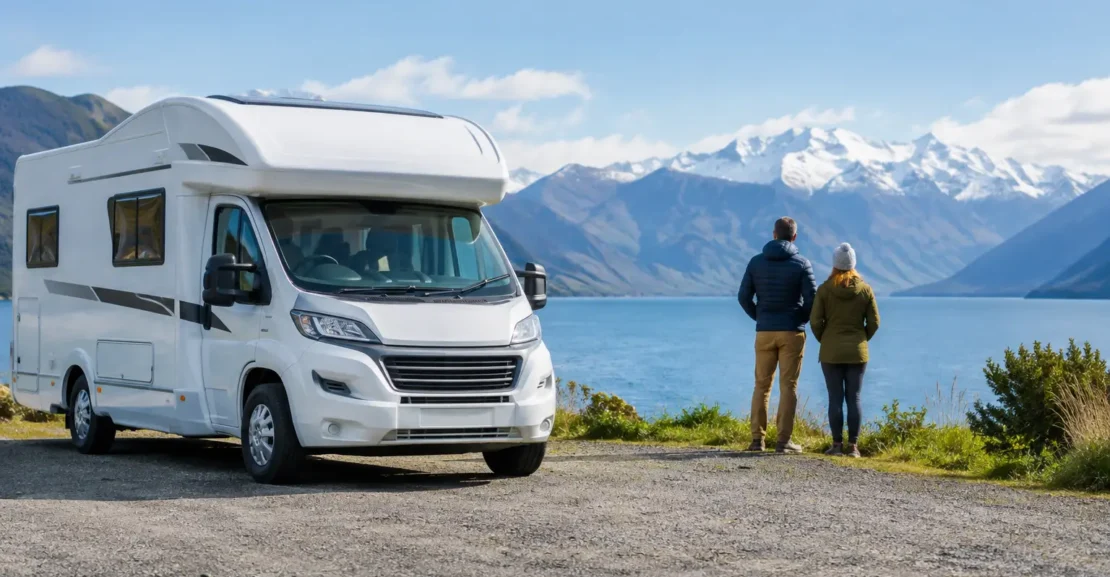
A motorhome can represent years of holidays, careful upgrades and unforgettable kilometres. That makes selling it more personal – and often more involved – than selling an ordinary vehicle. This motorhome consignment sales guide explains how a broker-managed sale works, what to expect from the process, and how to give your vehicle the best chance of reaching the right buyer.
For many New Zealand owners, consignment offers a practical middle ground. You remain the owner until the sale is completed, while an experienced broker handles the presentation, buyer conversations, viewings and negotiation. It is a considered approach for a considered purchase.
Is motorhome consignment right for you?
Consignment means placing your motorhome or campervan with a brokerage to sell on your behalf. The broker markets the vehicle, qualifies prospective buyers and manages the sales process under an agreed arrangement. Rather than fielding every call, arranging viewings at home and negotiating directly with strangers, you have a knowledgeable point of contact representing the vehicle.
This suits owners who value a managed process, particularly when they are travelling, busy with work or moving into their next motorhome. It can also be valuable when the vehicle has features that need proper explanation. A late-model motorhome may have solar charging, lithium batteries, self-containment equipment, heating systems, satellite TV, electric steps and complex control panels. Those details are far easier to present when the person showing the vehicle understands how they work.
Consignment is not automatically the best choice for every seller. A private sale may suit someone with plenty of time, confidence in advertising and a simple vehicle at a price point that attracts many local buyers. However, private sellers take on the enquiries, no-shows, test-drive arrangements, payment discussions and paperwork themselves. For a high-value motorhome, many owners prefer the reassurance of professional support.
Motorhome consignment sales guide: how the process works
A good consignment arrangement begins with an honest assessment, not a hopeful number. The broker will consider the make, model, age, kilometres, layout, condition, service history, maintenance records and equipment. Just as importantly, they will look at current buyer demand. A compact campervan, a couples’ motorhome with a separate shower, and a large family-friendly coachbuilt vehicle appeal to different buyers and move at different speeds.
Agreeing on the price and terms
You and the broker agree on an asking price, the commission structure, the term of the agreement and any costs involved. Ask whether the price is fixed or whether there is room to negotiate within a pre-agreed range. It is also sensible to clarify where the vehicle will be stored, who holds the keys, how insurance is handled, and what happens if you decide to withdraw it from sale.
A realistic asking price matters from day one. Pricing too high can leave a motorhome sitting on the market while fresh listings attract attention. Pricing too low may create a quick sale, but it can also cost you thousands of dollars unnecessarily. The right figure is usually supported by comparable vehicles, condition and the strength of the current market – not simply what you paid, what you owe, or what a similar new model costs today.
Preparing the vehicle for sale
Before photography and viewings, the motorhome should look cared for and ready to travel. Buyers can forgive sensible age-related wear, but they notice neglect quickly. A detailed clean inside and out, empty cupboards, clean upholstery and a fresh-smelling cabin make a meaningful difference.
Address small faults before they become the focus of a viewing. Replace blown bulbs, fix loose catches, repair obvious trim damage and check that appliances operate as expected. If there is a known issue, be upfront about it. Transparent disclosure builds trust and prevents an awkward surprise during inspection or negotiation.
Gather the documents that support the vehicle’s story: service invoices, manuals, warranty information where applicable, ownership records, Warrant of Fitness and registration details, self-containment documentation, and receipts for upgrades. A well-organised file reassures a buyer that the motorhome has been looked after.
Marketing to qualified buyers
A motorhome is not sold by a few quick photos and a line saying “ready for adventure”. Buyers want to see the layout, storage, cab, bathroom, kitchen, sleeping arrangements, exterior condition and equipment. Clear photography and an accurate description help a buyer decide whether the vehicle is worth viewing.
A specialist broker also has conversations that an advert cannot have. Is the buyer travelling as a couple or with grandchildren? Do they need a fixed bed? Are they new to motorhoming and worried about driving a larger vehicle? Do they intend to freedom camp, stay in holiday parks, or tour both islands for months at a time? These questions help match people to suitable vehicles before a viewing is booked.
Managing viewings, offers and handover
Appointment-only viewings are useful for both sellers and buyers. The vehicle can be presented properly, prospective purchasers have time to ask questions, and the broker can demonstrate key systems without pressure. Serious buyers often need more than a quick walk-through. They need to sit in the cab, imagine using the kitchen and understand how the living area works in practice.
When an offer is made, a broker can keep the conversation clear and constructive. The aim is not simply to secure the first number put forward. It is to confirm the buyer is genuine, establish any conditions, manage deposits appropriately and work towards an arrangement both parties understand.
The final handover should be more than passing over keys. A proper operating walkthrough can cover power systems, water, gas, heating, waste tanks, awnings and daily set-up. This helps a new owner begin confidently and reflects well on the vehicle you have sold.
Present your motorhome honestly and well
There is a difference between preparing a vehicle and disguising its condition. Avoid covering water damage with a quick cosmetic repair, removing warning labels without addressing the fault, or describing untested equipment as working. Motorhome buyers are generally thorough, and any mismatch between the listing and the vehicle can undermine the sale.
Instead, present the vehicle at its best while being clear about its history. If the tyres were recently replaced, say so. If the habitation area has been serviced, retain the invoice. If there is a small scratch on an exterior locker, it is better for a buyer to see it in person than discover it after being told the vehicle is flawless.
The same applies to accessories. Bike racks, generators, outdoor tables, levelling ramps and kitchen equipment can add appeal, but only include them in the advertised package if they are genuinely part of the sale. Clear expectations make for smoother negotiations.
Choose a broker who understands the lifestyle
The best consignment partner does more than place an advertisement. They should understand how buyers use motorhomes and be able to explain the practical differences between layouts, chassis types, heating options and off-grid capability. They should also communicate directly, report on enquiries and provide realistic feedback after viewings.
Before committing, ask how the vehicle will be marketed, whether viewings are by appointment, how buyer finance enquiries are handled and how often you can expect updates. Read the agreement carefully and make sure you understand the commission, listing period, authority to negotiate and any insurance responsibilities while the vehicle is in the broker’s care.
At RVfinders, the focus is on matching the right people with the right recreational vehicle, rather than treating every listing as a volume sale. That personal approach is particularly valuable when selling a vehicle that has been part of your lifestyle for years.
Know when to adjust the plan
Even a well-presented motorhome can take time to sell. Seasonal demand, changes in buyer confidence and the number of comparable listings all affect enquiry levels. If the listing receives views but few serious appointments, the price, photos or description may need attention. If people view the vehicle but do not proceed, feedback may point to a condition issue, layout limitation or price expectation.
A price adjustment is not a failure. It can be a sensible response to the market, especially if it is made early and supported by clear feedback. The key is to review the strategy with your broker rather than letting the listing become stale.
Selling your motorhome should feel like a well-managed transition, not a second full-time job. With realistic pricing, careful preparation and a broker who communicates clearly, you can hand over the keys knowing the next owner is ready to make the most of the road ahead.