
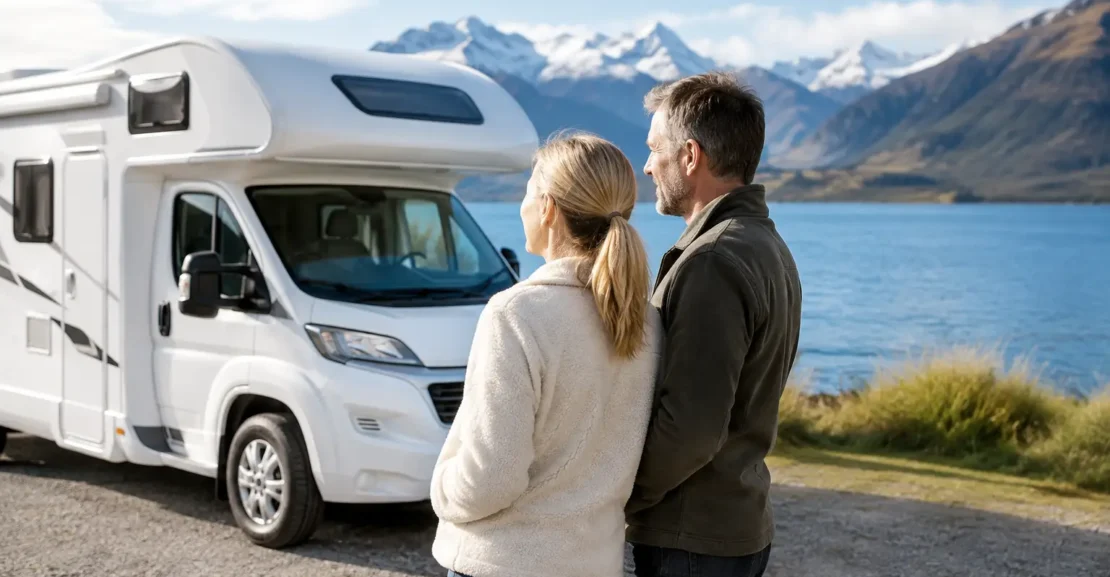
A motorhome trade in can be the quickest way to move into a vehicle that better suits your next chapter, whether that means more space for extended touring, an easier-to-drive campervan, or a layout that works better for two. This motorhome trade in guide explains how to approach the process with clear expectations, protect the value in your current RV, and decide whether a trade-in is the right path for you.
For many New Zealand owners, the decision is not simply about changing vehicles. It is about avoiding the uncertainty of a private sale while making sure the next motorhome is a genuine improvement, not just a newer model with different compromises.
Start with the reason you are changing
Before discussing figures, be specific about what your current motorhome no longer does well. Perhaps the fixed bed is difficult to access, the bathroom is too compact for longer trips, or a large coachbuilt motorhome has become more vehicle than you need. A trade-in conversation is far more useful when it starts with your travel plans rather than an advertised price.
Think about how you intend to travel over the next few years. Couples planning long stays in holiday parks may value separate living zones, generous storage and a larger fridge. Owners who prefer freedom camping or regular weekend breaks may put manoeuvrability, solar capacity and a practical off-grid set-up first. If grandchildren will be joining you, legal seatbelts and sleeping arrangements matter just as much as comfort.
Write down your non-negotiables, along with features that would be nice to have. This makes it easier to compare vehicles honestly and reduces the chance of being swayed by cosmetic extras that do not improve your time on the road.
How a motorhome trade in works
In a standard trade-in, the business taking your current motorhome assesses it and offers a value that is applied against the price of the vehicle you are buying. You pay the difference, often called the changeover amount. It is straightforward, but the trade-in figure should never be considered in isolation.
A lower purchase price on the next motorhome can sometimes be paired with a lower trade-in offer. Conversely, a stronger allowance may be reflected in the vehicle you are purchasing. The figure that matters is the total changeover cost, along with the condition, suitability and market value of both vehicles.
A brokered sale can be another option. Rather than accepting an immediate trade-in value, you may sell your current motorhome with professional support and then purchase your next RV separately. This can potentially achieve a stronger sale price, but it may take longer and requires some flexibility around timing. There is no universally better choice. It depends on whether certainty and convenience or maximum sale return is your priority.
Trade-in versus private sale
A private sale may bring a higher headline price, particularly for a well-presented, desirable motorhome. However, it also means preparing advertisements, responding to enquiries, arranging viewings, handling test drives and negotiating with strangers. You may also need somewhere to store the motorhome while you wait for the right buyer.
A trade-in is usually valued with those practical costs and risks in mind. It can make sense if you want a clean handover, need to secure your next vehicle promptly, or simply do not want the responsibility of selling privately. The right decision is the one that gives you a fair outcome without creating unnecessary stress.
Know what influences your trade-in value
Motorhomes are valued on far more than age and kilometres. The make, model, layout, service history, overall condition and current buyer demand all play a part. A sought-after compact campervan in tidy condition may attract strong interest even with higher kilometres, while a larger motorhome with a less practical layout can take longer to place.
The condition of the habitation area deserves as much attention as the cab. Signs of water ingress, soft flooring, damaged cabinetry, tired upholstery or non-functioning appliances can affect value quickly because buyers understand the cost and disruption of repairs. A complete service record, current Warrant of Fitness, registration status and evidence that key systems have been looked after help build confidence.
Self-containment equipment, solar panels, lithium batteries, diesel heating, bike racks and awnings can add appeal, but not every accessory adds dollar-for-dollar value. Quality, condition and suitability matter. Keep manuals, installation information and receipts where possible, especially for electrical upgrades and recent maintenance.
Market timing also matters. Demand can strengthen ahead of the warmer touring months, while the availability of similar vehicles affects how much room there is in a valuation. Be cautious about relying on optimistic asking prices in online listings. An asking price is not proof of a completed sale.
Prepare your motorhome before appraisal
Presentation will not hide a serious issue, but it can make an assessor’s job easier and show that the motorhome has been cared for. Aim for clean, dry, functional and honest. Empty personal belongings, remove rubbish from lockers and the garage, wash the exterior, clean the cab and freshen the interior without heavy scents that can suggest an attempt to mask dampness.
Check that the basics operate as they should. This includes lights, taps, water pump, fridge, cooktop, heating, toilet, windows, blinds, steps and any reversing camera or entertainment equipment. If something needs repair, ask whether completing the work before appraisal is likely to be worthwhile. Minor, visible faults are often sensible to address. Expensive upgrades undertaken solely to improve a trade-in price rarely return their full cost.
Bring your paperwork together before you start discussions. A well-organised file signals careful ownership and prevents delays. Include service invoices, maintenance records, Warrant of Fitness and registration details, manuals, self-containment documentation where applicable, and information on finance that remains owing. If the motorhome has been stored under cover or recently had a major service, say so and provide the evidence.
Inspect the next motorhome with the same care
It is easy to focus entirely on the allowance offered for your current RV. But the more important long-term question is whether the replacement is mechanically sound, comfortable and appropriate for your travel style. Take your time in the living area. Sit at the dinette, lie on the bed, stand in the shower and imagine packing for a fortnight away.
Ask to see every system operating. Check storage access, tyre condition, payload, seatbelts, heating, hot water, battery set-up and the usability of the kitchen. For imported vehicles, understand the specifications and any conversions completed for New Zealand use. A thorough walkthrough is particularly valuable for first-time owners moving up from a caravan or campervan.
If you are comparing more than one vehicle, use the same criteria for each. The motorhome with the most accessories is not always the better purchase. Reliable systems, a suitable layout and a condition you are comfortable with should carry more weight than decorative extras.
Negotiate the changeover, not just the allowance
Ask for a clear written breakdown showing the price of the motorhome you are considering, the trade-in allowance, any on-road or preparation costs, accessories included, and the resulting changeover amount. This gives you a sound basis for comparing options and avoids misunderstandings later.
Be open about any finance remaining on your current motorhome. A payout will need to be managed as part of the transaction, and clarity early on protects everyone involved. If you are considering finance for the replacement vehicle, make sure repayments suit your wider travel budget, including insurance, servicing, storage and campsite costs.
It is reasonable to ask how the trade-in value was reached. A trustworthy conversation should acknowledge the motorhome’s strengths as well as the work or market factors that may affect resale. Be wary of pressure to commit before you have seen the numbers clearly or had time to inspect the next vehicle properly.
Choose confidence over haste
Changing motorhomes should leave you looking forward to the next trip, not replaying questions about the deal. An experienced broker can help you assess your current RV, compare realistic pathways and understand how a prospective replacement will work for your plans. At RVfinders, that personal guidance is part of making the process feel considered rather than rushed.
The best time to trade is when you can make the decision with a clear head: your motorhome is presented well, your paperwork is ready, and you know exactly what you want the next one to do. That preparation gives you the freedom to choose a vehicle that makes every stop on the road feel like the right one.