
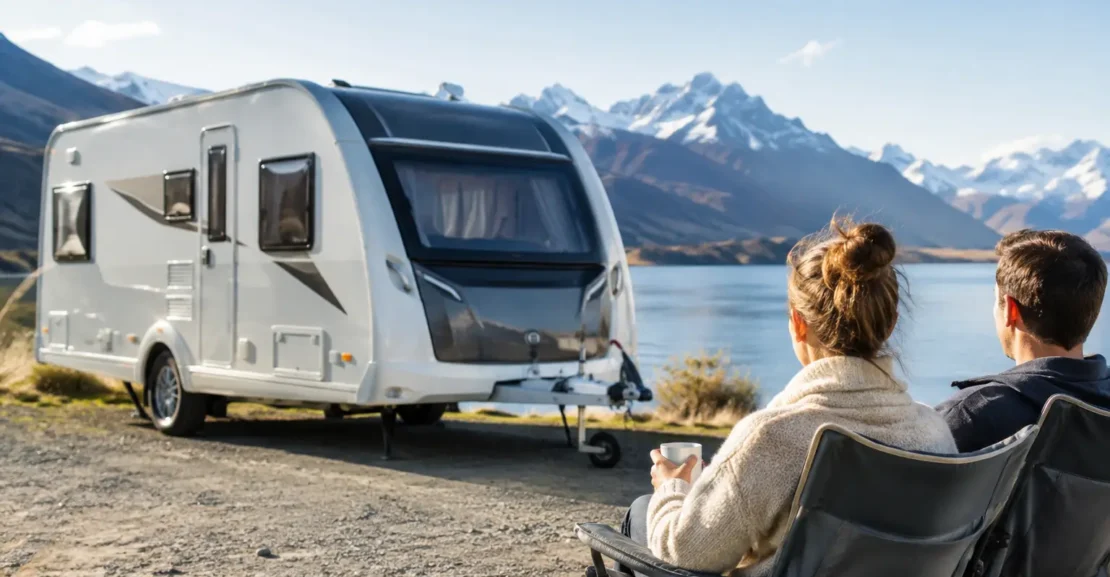
A caravan should expand your choices, not put pressure on every monthly pay cycle. This caravan finance options review is designed for New Zealand buyers weighing up a meaningful lifestyle purchase and wanting the numbers to feel as comfortable as the van itself. The right arrangement is not simply the one with the lowest advertised repayment. It is the one that suits your travel plans, savings, income and appetite for risk.
For some buyers, finance makes an almost-new caravan achievable without waiting years to save the full amount. For others, a larger deposit or a shorter term offers greater peace of mind. There is no single right answer, but there are a few decisions worth getting right before you commit.
Caravan finance options review: what you are comparing
Most caravan finance is arranged as a secured vehicle loan. The caravan is generally used as security for the lending, which can help produce a lower interest rate than an unsecured personal loan. In return, the lender may have requirements around the caravan’s age, value, insurance and condition.
An unsecured personal loan does not use the caravan as security. It can be simpler in some situations, particularly when purchasing an older caravan or buying privately, but it may carry a higher rate. Some buyers also use savings, redraw facilities or home-loan equity. These can be sensible options for the right household, although it is wise to consider the wider consequences before tying a leisure purchase to your home.
The comparison is not just about interest. Ask how the loan is structured, what fees apply, whether you can make extra repayments, and what happens if your circumstances change. A finance option that looks attractive at first glance can become less appealing once establishment fees, account fees or early repayment charges are included.
Start with the complete ownership cost
It is easy to focus on the caravan’s purchase price and overlook the cost of getting it ready for the road. A realistic budget should also allow for registration, insurance, servicing, storage, accessories and towing equipment if required. Depending on the caravan, you may want an awning, solar setup, upgraded batteries, levelling gear, security equipment or a more suitable tow vehicle.
These are not reasons to avoid buying. They are reasons to finance thoughtfully. If every dollar of savings goes towards the deposit, a new owner can be left short when insurance falls due or a repair is needed. Keeping a sensible cash buffer often provides more confidence than stretching to make the largest possible deposit.
The same principle applies to ongoing repayments. Consider them alongside rates, groceries, household costs and the travel you intend to do. A caravan that is affordable on paper but leaves no room for fuel, holiday park stays or maintenance may not deliver the freedom you had in mind.
Deposit size: balancing repayments and flexibility
A larger deposit reduces the amount borrowed and usually lowers the total interest paid. It may also improve the lender’s view of the application. If you are trading in an existing caravan or motorhome, its value can form part of that deposit, subject to the details of the transaction.
However, putting down every available dollar is not automatically the best move. Keeping funds aside for inspections, insurance and unexpected costs can be more prudent, especially for a first-time caravan owner. The aim is to find a deposit that keeps the loan manageable without leaving your household financially exposed.
It is also worth being clear about the caravan’s true market value. Paying above market value can make the loan harder to manage if you need to sell or upgrade sooner than expected. A careful inspection, good records and an informed view of comparable vehicles all matter before finance is finalised.
A practical example
Imagine two buyers purchasing similar caravans. One contributes a substantial deposit and chooses a three-year term, resulting in higher fortnightly repayments but less interest overall. The other keeps more savings in reserve and chooses a five-year term, which lowers each repayment but increases the interest paid across the loan.
Neither choice is automatically better. The first may suit a buyer with steady income and few other commitments. The second may suit someone nearing retirement, planning for variable income, or wanting funds available for upgrades and travel. The useful question is not, “What is the lowest repayment?” It is, “What remains comfortable if costs rise or plans change?”
Loan terms: do not let a low repayment decide for you
Longer loan terms can make a caravan seem more accessible because the regular repayment is lower. The trade-off is that you generally pay more interest over the life of the loan. With a depreciating asset such as a caravan, a long term can also create a period where the outstanding balance is greater than the amount you could reasonably expect to receive if you sold.
A shorter term usually means higher repayments, but it reduces the interest cost and builds equity faster. For buyers who intend to keep their caravan for many years and have reliable income, this can be a sound approach.
Before agreeing to a term, test it against real life. Could you keep up repayments during a quieter work period, a health setback or an unexpected home expense? Would you still be able to take the trips that made the caravan purchase worthwhile? A lender’s approval tells you what may be possible. Your own budget tells you what is sensible.
Fixed or variable interest: ask the right questions
A fixed interest rate provides certainty. You know what your repayments will be for the fixed period, making household budgeting simpler. This can be reassuring for buyers who prefer predictability or are working to a retirement income plan.
A variable rate may move up or down over time. It can offer flexibility in some cases, but your repayment may change if rates rise. The key is to understand whether the loan rate is fixed or variable, how long any fixed period lasts, and whether there are conditions around extra repayments or paying the loan out early.
Ask for the total amount repayable, not only the rate and fortnightly figure. A clear written breakdown should show the loan amount, term, interest rate, repayment frequency and every applicable fee. If anything is unclear, seek an explanation before signing.
Buying privately versus through a broker or dealer
Private purchases can offer good value, but they can require more legwork. The buyer is responsible for confirming ownership, checking the caravan’s condition, arranging inspections and satisfying the lender’s documentation requirements. Older caravans can be particularly important to assess carefully, as lender criteria may differ according to age and value.
Buying with experienced brokerage support can make the process more straightforward. At RVfinders, the focus is on helping buyers understand the vehicle as well as the transaction – from its layout and suitability to practical operating guidance. That personal support is especially valuable when finance, insurance and an interstate or out-of-town purchase all need to be coordinated.
Regardless of where you buy, do not treat finance approval as a substitute for an inspection. Finance assesses lending risk, not whether the caravan is right for your needs or free from issues. Check the chassis, tyres, brakes, electrical systems, appliances, water systems and signs of moisture. Ask to see service history and understand what is included in the sale.
Questions to ask before accepting caravan finance
A good finance conversation should leave you clearer, not rushed. Ask whether the loan is secured or unsecured, whether the rate is fixed or variable, and whether there are establishment, monthly or early repayment fees. Confirm whether you can make additional repayments without penalty and whether a balloon or residual payment applies at the end.
Also ask what insurance is required and when cover must begin. If you are buying a caravan to travel widely around New Zealand, make sure your insurance and finance obligations match how you will use it. Finally, check that the repayment frequency aligns with how you are paid. Small timing mismatches can make a manageable budget feel unnecessarily tight.
Give yourself time to decide
The most satisfying caravan purchases tend to be the ones where the vehicle, budget and travel plans all line up. Take the time to compare repayment scenarios, read the loan documents, and be honest about what you can comfortably afford after every ownership cost is included.
A caravan is meant to make weekends away, longer journeys and future plans feel more possible. Choosing finance with the same care you use to choose the caravan helps keep that feeling intact long after collection day.