
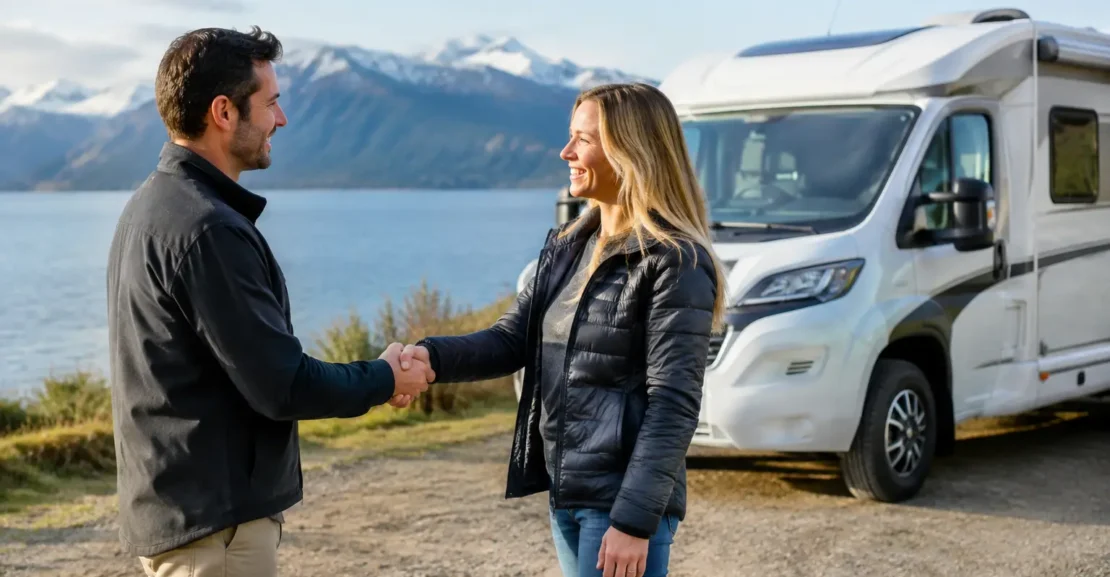
A motorhome, campervan or caravan is rarely a casual purchase. It needs to suit the way you travel, where you plan to stay, who is coming with you, and what you are comfortable spending. The real RV brokerage benefits are not simply having someone advertise a vehicle for you. They come from having an experienced person help make a high-value decision clearer, safer and far less time-consuming.
For New Zealand buyers and sellers, a specialist broker can provide the practical support that a private listing or a high-volume dealership may not. From working out fair value to arranging suitable viewings and explaining how a vehicle operates, the right guidance can make the process feel much more manageable.
RV brokerage benefits when selling
Selling privately can look straightforward at first. Take some photos, create an advert, answer enquiries and wait for the right buyer. In reality, it can involve a steady stream of messages, uncertain appointments, people who are only browsing, and difficult conversations about price. It can also be challenging to present a vehicle properly when you are still using it or do not know which features matter most to prospective buyers.
A broker takes much of that work off your hands. They can assess the vehicle, advise on its likely market position, prepare a listing that highlights its genuine strengths, and handle initial enquiries. This is particularly useful for owners who are busy, downsizing, moving on from RV travel, or selling a vehicle from another part of the country.
Accurate pricing is one of the strongest reasons to use a broker. Set the price too high and your motorhome may sit for months, causing buyers to wonder what is wrong with it. Set it too low and you may leave significant money on the table. A specialist who understands current demand, age, condition, layout, kilometres, accessories and comparable vehicles can help establish a realistic asking price from the beginning.
Qualified interest saves time
Not every enquiry deserves a trip across town or a weekend appointment. A good broker speaks with potential buyers before a viewing, learns what they need, and identifies whether the vehicle is likely to suit them. That means fewer tyre-kickers and more productive conversations.
Appointment-only viewings also create a better experience for both parties. The buyer has time to look closely, ask questions and consider the vehicle without pressure. The seller has the reassurance that their motorhome, caravan or campervan is being shown in a controlled and professional setting.
A better presentation of the vehicle
People buy with both logic and feeling. Clear photos, accurate details and a well-presented interior help buyers picture themselves travelling in the vehicle. But good presentation must be honest. A brokerage should not hide wear, overstate specifications or promise features the vehicle does not have.
Transparent information builds trust early. If there are maintenance items to discuss, a broker can help put them in context. If the vehicle has valuable extras such as solar, bike racks, lithium batteries, heating, towing equipment or a sought-after layout, those details can be explained in a way that makes their value clear.
Why buyers benefit from broker guidance
Buying an RV is different from buying an everyday car. Two vehicles that look similar in photos can feel completely different in person. Bed access, bathroom layout, storage, payload, driving position, heating, cooking facilities and electrical systems all affect whether the vehicle will work for your travel plans.
This is where personal advice matters. A couple planning extended South Island trips may need a very different setup from grandparents taking weekend breaks with grandchildren. Someone moving from a caravan to a self-contained motorhome may value easy manoeuvrability and an automatic transmission. A first-time buyer may need help understanding batteries, fresh and grey water systems, gas appliances and freedom camping requirements.
Rather than pushing the vehicle that happens to be available, a broker should start with how you intend to use it. Your budget is part of that conversation, but so are your travel habits, confidence behind the wheel, preferred campsites and plans for the next few years.
You can ask the questions that matter
A private seller may know their own vehicle well, but they are naturally focused on selling it. A knowledgeable broker can give a more rounded explanation of what to check and what each feature means in day-to-day ownership.
For example, a large motorhome may offer excellent living space but be less convenient in smaller towns or popular holiday spots. A compact campervan can be easy to drive and park, but may feel restrictive on a long winter journey. A caravan provides flexibility once set up at camp, yet requires confidence with towing and consideration of the tow vehicle. There is no universal best choice, only the best fit for your circumstances.
An operating walkthrough is also valuable. Understanding how to run the hot water, heating, toilet, fridge, electrical system and water tanks before you leave can prevent a frustrating first trip. It is the sort of support that often makes new owners feel confident rather than overwhelmed.
More confidence around condition and value
No used RV is perfect, and buyers should be wary of anyone who suggests otherwise. Age, kilometres, servicing history, cosmetic wear and past use all need to be considered. The benefit of brokerage support is not that it removes every risk. It helps you ask better questions and assess the vehicle with realistic expectations.
A broker can draw attention to service records, compliance details, self-containment status, tyre condition, appliances and signs of moisture or maintenance needs. Where specialist inspection or mechanical advice is appropriate, that should be encouraged. A sound buying decision comes from clear information, not from rushing because another buyer might be interested.
Value also extends beyond the purchase price. A vehicle that is cheaper initially but needs immediate tyres, batteries, repairs or upgrades may not represent the better buy. On the other hand, a well-maintained RV with useful equipment and a documented history can justify a higher price if it reduces likely costs and disruption later.
Brokerage support can make finance less daunting
Many buyers fund an RV through a mix of savings, trade-in value and finance. Understanding the full cost before committing is sensible, particularly when insurance, registration, servicing, storage and travel expenses are part of the ownership picture.
A full-service broker can help buyers explore finance options and understand what information may be needed. This does not mean finance is right for everyone. Some buyers prefer the certainty of paying outright, while others choose finance to preserve savings for travel or other commitments. The key is having the figures explained clearly, without pressure.
For sellers, finance assistance can also widen the pool of capable buyers. A person who has found the right vehicle may be ready to proceed once they understand their funding options and timeframe.
The personal difference in a major purchase
The best RV brokerage relationships do not end when the keys change hands. Buyers may need a reminder about a system, advice before their first longer trip, or reassurance that a particular feature is operating as intended. Sellers want confidence that their vehicle has been represented properly and that communication will remain clear throughout the process.
This personal attention is especially valuable in a market where vehicles vary widely. A brokerage that knows the stock, listens carefully and communicates honestly can help prevent mismatches that lead to buyer regret or a drawn-out sale. At RVfinders, that broker-led approach is built around taking the time to understand both the vehicle and the person who will own it next.
When a broker may not be the right fit
Brokerage is not essential for every sale. If you are experienced with RVs, have time to manage enquiries, are comfortable negotiating and already have an interested buyer, a private sale may work well. Similarly, a buyer who knows exactly what they want and has inspected several comparable vehicles may need less guidance.
Even then, it is worth considering the value of independent market knowledge, proper presentation and a structured process. The most useful brokerage service is not about adding complexity. It is about removing the parts of buying or selling that cause uncertainty, delay or unnecessary stress.
Whether you are choosing your first campervan, upgrading to a more comfortable motorhome or passing on a much-loved caravan, allow enough time for the right conversations. The best RV is not simply the one that looks good in an advert. It is the one that gives you confidence to set off and enjoy the road ahead.