
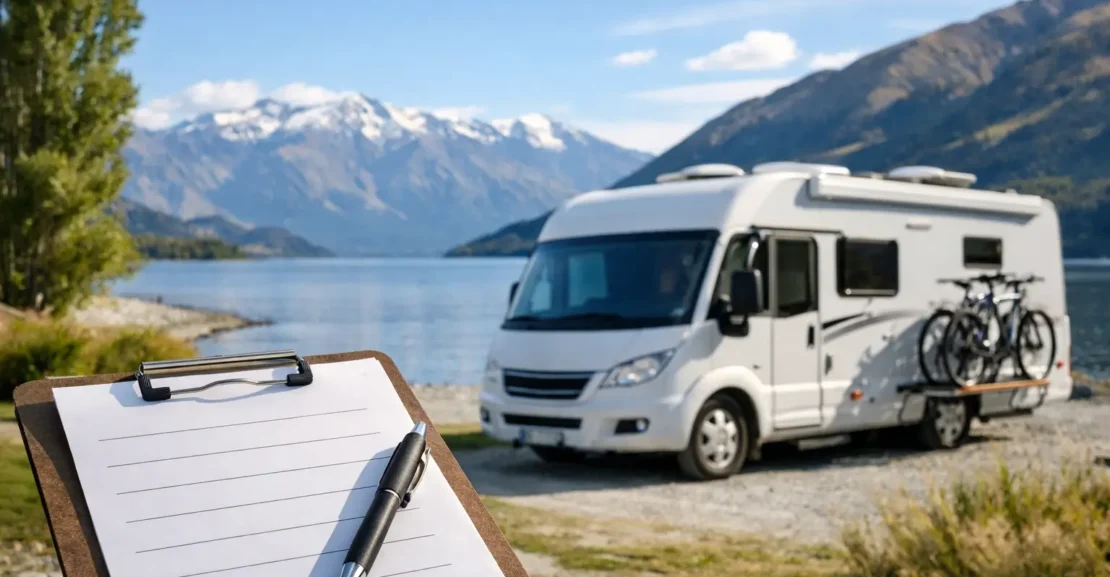
A caravan can look immaculate on a yard and still be wrong for the way you travel. A spacious lounge may come at the expense of usable storage; a large bathroom may push the tare weight beyond what your tow vehicle can comfortably handle. This best caravan features checklist is designed to help New Zealand buyers look beyond the finish and focus on the details that make ownership easy, safe and enjoyable.
The right caravan is not necessarily the one with the longest specification sheet. It is the one that suits your tow vehicle, travel plans, usual number of passengers and appetite for off-grid camping. Start with how you will genuinely use it, then inspect each feature in that context.
Start with your style of travel
Before comparing models, be clear about where you expect to stay. If your trips are mainly holiday parks, mains power, generous water capacity and solar may be less urgent than a comfortable dinette, a good-sized fridge and an easy-to-use awning. If you picture several nights at a DOC campsite or freedom camping where permitted, self-sufficiency becomes far more important.
Think about the seasons as well. A caravan that feels bright and open in summer needs to stay dry, warm and well ventilated through a South Island shoulder season. Couples travelling for months at a time also tend to value practical everyday features more highly than occasional weekend users: laundry space, pantry storage, bench area and a comfortable bed matter when the caravan becomes your home.
Best caravan features checklist: weights and towing
Weights are not the most glamorous part of a caravan inspection, but they are among the most important. Check the caravan’s tare mass, aggregate trailer mass (ATM), payload and towball download, then compare them with your tow vehicle’s braked towing capacity, towball limit and gross combined mass.
Do not assume a vehicle rated to tow a caravan at its maximum capacity will feel relaxed doing so. Once you add water, gas bottles, food, clothing, outdoor chairs, a bike rack and personal gear, payload can disappear quickly. A sensible margin makes for a more stable, less stressful trip, particularly in crosswinds, on uneven roads or through the hills.
Also inspect the towing equipment. An appropriate electric brake controller, compliant safety chains, a correctly rated coupling and a good jockey wheel are basics, not optional extras. If the caravan has electronic stability control or a weight distribution solution, understand how it works and whether it is suitable for your vehicle and caravan combination.
Chassis, suspension and ground clearance
New Zealand roads can be demanding, even when you are not deliberately heading off the beaten track. Look beneath the caravan for corrosion, damage, loose wiring and signs of hard impacts. Check the age and condition of tyres, including the spare, and ask whether wheel bearings, brakes and suspension have been serviced.
Independent suspension and higher ground clearance can be worthwhile for travellers using gravel roads or less-developed campgrounds. They may add cost and weight, however, so there is little value in paying for a heavy-duty setup if most of your touring is on sealed roads between well-equipped parks.
Layout that works on a rainy day
It is easy to judge a layout while standing in a clean, empty caravan. Picture it with wet jackets by the door, breakfast underway and two people trying to move around each other. Can you access the toilet without climbing over the bed? Is there somewhere to sit comfortably if rain keeps you inside for an afternoon? Can one person make a cup of tea while the other uses the dinette?
A north-south island bed is popular because it is easier to get in and out of than an east-west bed, though it often takes up more floor space. Twin single beds can suit couples with different sleep habits and may create useful storage beneath. A front lounge that converts to a bed provides flexible living space, but daily set-up can become tiresome for long trips.
Open every cupboard, locker and drawer. Good storage is not simply a matter of volume. You want sensible places for heavier items down low, a pantry near the kitchen, hanging space for coats and secure external storage for hoses, levelling blocks and outdoor gear. Check whether lockers are accessible when the bed is made up and whether cupboard catches hold securely on the road.
Kitchen and bathroom essentials
A practical caravan kitchen should make simple meals easy without taking over the living area. Consider the size of the fridge and freezer, bench space, number of gas burners, oven or grill, sink depth and location of power points. A three-way fridge can be useful for off-grid stays, while a compressor fridge is often efficient on solar and battery power. Which is better depends on your electrical setup and camping habits.
Test the taps and inspect around the sink, shower and toilet for soft flooring, swelling, cracked sealant or water staining. Water ingress is one of the costliest caravan problems, so use your eyes and your nose. A musty smell, bubbling wall lining or discoloured corners deserve close attention.
An ensuite offers welcome independence, especially on longer trips, but it adds weight and uses valuable interior space. If you mainly stay in holiday parks with excellent facilities, a larger living area may serve you better. If you prefer remote locations or overnight stops without amenities, an ensuite and adequate fresh and grey water capacity can change the whole experience.
Power, heating and off-grid capability
Ask what powers the caravan when it is not plugged into a campground supply. A useful setup may include a house battery bank, solar panels, a quality battery monitor, inverter and charging system. The key is not simply having these items fitted, but knowing their capacity, age and condition.
For example, a solar panel will not compensate for an undersized battery bank if you run a compressor fridge, lights, water pump and device charging each day. Conversely, an elaborate off-grid system may be unnecessary expense for buyers who primarily use powered sites. Review the system as a whole and make sure you understand what it can realistically support.
Heating deserves the same attention. Diesel heating is popular for efficient warmth away from mains power, while gas or electric options can suit different setups. Check that vents are clear, appliances operate properly and any gas work has been maintained appropriately. Good insulation, opening windows with insect screens and roof ventilation also make a noticeable difference to comfort and condensation control.
Safety and condition checks
A caravan should have working smoke alarms, a fire extinguisher or fire blanket, and accessible emergency exits. Check the expiry dates where applicable and make sure you can operate windows and door locks without force. Inspect gas bottles, regulators and hoses for age, damage and secure mounting.
Look carefully at the roofline, window seals, awning mounts and corners of the body. Water damage can be hidden, so a professional inspection is a wise investment where there is any uncertainty. Inside, test lights, pumps, the fridge, hot water system, stove, toilet, heating and all 12V and 240V functions. Appliances that work on one power source but not another may point to a repair you did not budget for.
Paperwork matters too. Confirm the VIN, registration details, Warrant of Fitness status, service history and manuals for appliances or fitted equipment. If the caravan has been modified, ask what was changed and who completed the work. Clear records make ownership easier and can support resale later on.
The small features you will appreciate often
Some of the best caravan features are easy to overlook during a first viewing. Exterior lighting makes arriving after dark less awkward. A proper entrance grab handle, wide step and non-slip surface improve safety every day. An awning extends your living area, but inspect its fabric, arms and operation rather than assuming it is ready to use.
Other worthwhile details include block-out blinds and flyscreens, USB and 12V charging points, well-placed reading lights, external shower access, a reversing camera and a practical TV mounting position. These should not override the fundamentals of weight, condition and layout, but they can make a well-matched caravan more enjoyable for years.
A caravan purchase is a meaningful lifestyle decision, and there is no benefit in rushing it. Take time to view with your usual travel partner, sit in the spaces, ask direct questions and imagine a wet week away as clearly as a sunny one. A knowledgeable broker such as RVfinders can also help you weigh up the compromises, so the caravan you choose feels right long after the first trip.