
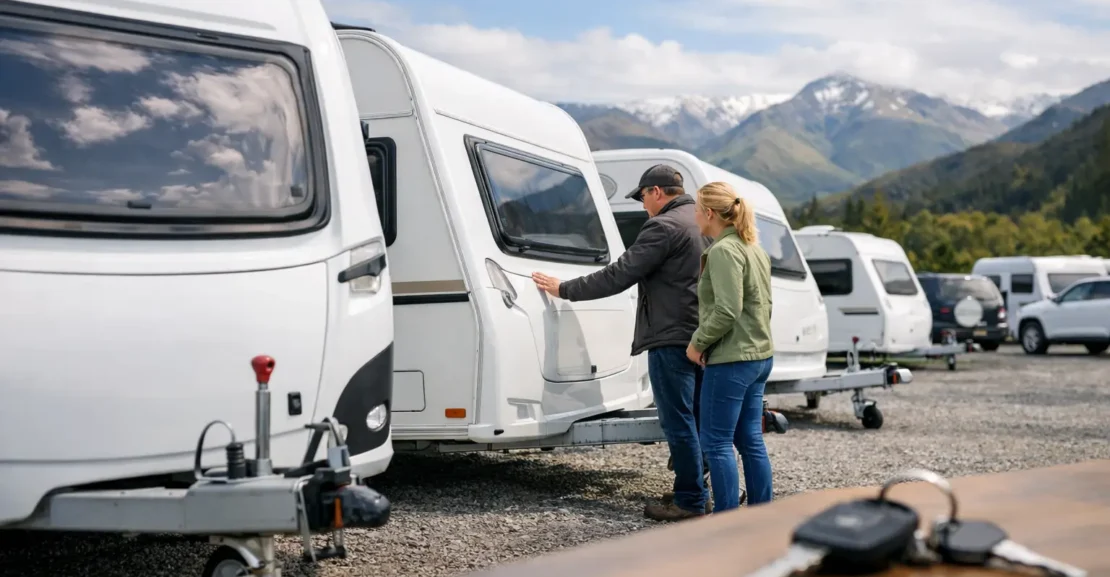
A caravan can look perfect in the photos, then feel completely wrong the moment you step inside. That is often the biggest surprise for buyers browsing used caravans for sale NZ-wide. The layout, towing weight, storage, bed access and overall condition matter far more in person than they do on a screen.
For many buyers, a used caravan is not just a cheaper alternative to buying new. It is often the smarter choice. Someone else has already taken the biggest depreciation hit, useful extras may already been fitted, and there is usually a wider mix of sizes and layouts available. The challenge is knowing which compromises are sensible and which ones will cost you later.
Why used caravans for sale NZ buyers appeal to so many travellers
New Zealand travellers tend to buy caravans for practical reasons as much as lifestyle ones. Some want extended touring around the country. Others want a comfortable base for weekends away, race meets, fishing trips or time with the grandkids. Retirees often want simplicity and comfort without committing to a large motorhome. First-time buyers usually want confidence that they are choosing something manageable.
That is where the used market makes sense. A well-kept caravan can offer excellent value, especially if it has already been set up with the accessories most owners end up adding anyway. A mover, awning, solar, bike rack or upgraded battery system can make a real difference to both convenience and overall value.
But value is never just about price. A caravan that looks affordable can become expensive if it has hidden water damage, poor tyre condition, outdated electrical work or a layout that simply does not suit the way you travel.
Start with how you will actually use it
Before comparing makes, weights or age, it helps to be honest about your style of travel. Buyers often begin with the caravan itself, when they should really begin with the trip.
If you are planning longer journeys, you may want a fixed bed, decent kitchen bench space and enough storage to live comfortably for weeks at a time. If most trips are short, a more compact van may be easier to tow, store and set up. Couples usually prioritise bed comfort, seating and bathroom usability. Families may care more about bunks, flexibility and durability.
There is always a trade-off. A bigger caravan can feel luxurious on site, but it may limit where you can store it and what can tow it safely. A lighter van may be easier to handle, but it can mean less water capacity, less storage and a tighter living space. The right answer depends on your tow vehicle, your budget and how much comfort matters to you once you arrive.
What to inspect when viewing a used caravan
Condition matters more than age alone. A ten-year-old caravan that has been carefully maintained can be a better buy than a newer one that has been neglected.
Check for signs of water ingress
This is one of the biggest issues in any used caravan. Look closely around windows, roof hatches, corners, seals and internal cabinetry. Soft spots, staining, bubbling wall coverings, musty smells and discoloured trim can all point to moisture problems. Cosmetic repairs can hide a lot, so it is worth taking your time.
Look at the chassis, tyres and running gear
Buyers naturally focus on the interior, but the underpinnings matter just as much. Check the chassis for rust, damage or poor repairs. Look at tyre age as well as tread. Older tyres can be a problem even if they look barely used. Suspension, brakes and coupling condition all affect both safety and future costs.
Test appliances and onboard systems
Make sure lights, fridge, water pump, hot water, heating, gas systems and electrical fittings are all working as expected. Ask whether any components have been replaced or upgraded. If the van has solar or battery equipment, find out how old it is and whether it suits off-grid use or only light support.
Assess wear where it counts
Cupboard hinges, catches, table mounts, window blinds, flyscreens and shower seals tell you a lot about how the caravan has been treated. These may seem minor, but a long list of little issues can quickly turn into frustration and expense.
Weight, towing and legal practicality
A caravan is only a good buy if it suits the vehicle towing it. This is where many buyers get caught. They fall in love with the caravan first, then realise their current vehicle is not up to the task.
You need to understand the caravan’s loaded weight, tow ball weight and how that matches your tow vehicle’s limits. It is not enough to rely on an estimate or assume a ute can tow anything with ease. Once gear, food, water and extras are added, the real towing weight can be very different from the brochure figure.
This is also where honest advice matters. A caravan that is technically towable may still be unpleasant or stressful to tow if the match is marginal. Stability, braking confidence and general road manners all shape the ownership experience. Better to buy a van that works comfortably with your setup than one you will always feel nervous towing.
Features that add value and features that only sound good
When comparing used caravans for sale NZ-wide, it is easy to get distracted by feature lists. Not every extra carries the same value.
Solar, battery upgrades and self-containment features can be worthwhile if they support the way you travel. A well-designed ensuite often adds real comfort, especially for longer trips. A practical awning setup, heating, decent ventilation and smart storage also improve everyday use.
On the other hand, some upgrades are more appealing in theory than in practice. A flashy entertainment setup or unusual add-ons may not justify a higher asking price if the core condition is average. Layout, structural integrity and towing suitability will usually matter more than novelty.
Price, history and the importance of context
A fair price sits somewhere between market demand, condition, age, brand reputation and included equipment. Two caravans of similar age can have very different values depending on maintenance history and overall presentation.
Ask how long the seller has owned it, where it has been stored and whether service records or receipts are available. Regular maintenance, careful ownership and dry storage all help support the asking price. A caravan with no history is not automatically a poor choice, but it does increase uncertainty.
It is also worth asking why the caravan is being sold. Many sales are straightforward – owners are upgrading, downsizing or changing travel plans. But the answer can still provide useful context about how the van has been used and whether there are issues the seller has already encountered.
Why broker support can make the process easier
Buying privately can work well, but it often comes with more guesswork. Sellers may not know how to present the caravan accurately, buyers may not know what to ask, and inspections can feel rushed or incomplete. A dealership can offer convenience, though not always the personal guidance buyers want.
That is why a broker-led approach suits many caravan buyers. Instead of being pushed toward whatever stock needs to move, you can get help matching the caravan to your travel plans, towing setup and budget. You also gain a clearer process around viewings, condition discussions and practical advice.
For buyers who are new to caravanning, that support can make the difference between a confident purchase and a stressful one. For experienced owners upgrading or downsizing, it saves time and helps narrow the field to vans that genuinely fit.
A business like RVfinders is valuable in that space because the conversation is less about volume and more about suitability. That tends to lead to better decisions, particularly when the purchase is part lifestyle investment, part technical decision.
A good caravan should suit your next trip and the one after that
The best used caravan is rarely the newest, the cheapest or the one with the longest feature list. It is the one that fits the way you travel, tows safely, has been properly cared for and still feels right after the excitement of the first inspection wears off.
If you are weighing up used caravans for sale NZ-wide, take your time with the practical questions. Walk through the van as if you already own it. Picture wet weather, early starts, long drives and packing it for a real trip. A careful decision at the start usually leads to far more enjoyable travel once you are on the road.