
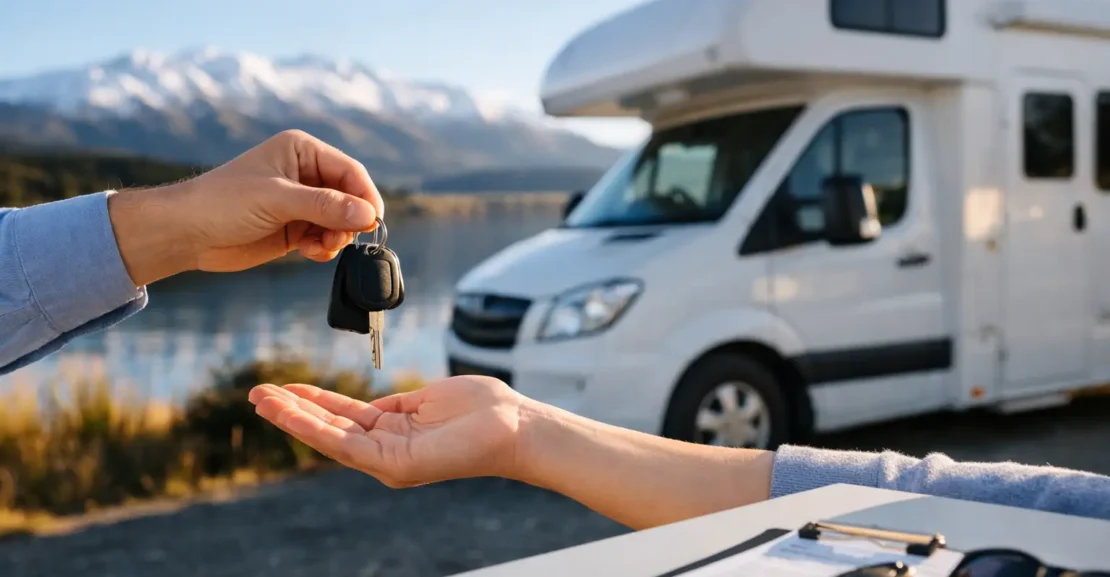
If you’re thinking, “I need to sell my motorhome NZ wide, but I don’t want the hassle,” you’re not alone. For many owners, the hardest part is not deciding to sell. It is working out how to do it properly without wasting time, underselling the vehicle, or dealing with tyre-kickers who are just browsing.
Selling a motorhome is not quite the same as selling a car. Buyers ask better questions, inspections matter more, and presentation carries extra weight because they are not just buying transport. They are buying a lifestyle vehicle, often for a significant amount of money. That changes how you should approach the sale.
Sell my motorhome NZ: what actually affects the sale price?
A realistic sale price sits somewhere between what the owner hopes for and what the market is prepared to pay. The gap between those two can be wider than people expect, especially when a motorhome has sentimental value or expensive upgrades that do not always translate into dollar-for-dollar resale.
Age, condition, kilometres, service history, layout, brand reputation, self-containment status, and overall presentation all play a part. So does timing. A tidy, well-kept motorhome listed at the right point in the season will usually attract stronger enquiry than the same vehicle presented poorly or priced too ambitiously.
It also depends on the type of buyer your vehicle suits. A compact two-berth may appeal to couples wanting simplicity and ease of driving. A larger coachbuilt model may suit retirees planning longer trips. The better the match between vehicle and buyer, the easier the sale tends to be.
This is where many private sellers get stuck. If the asking price is too high, the listing can go stale. If it is too low, you may achieve a quick sale but leave money on the table. Good pricing is not guesswork. It should reflect real market demand, comparable stock, and the strengths and weak points of your particular vehicle.
Preparing your motorhome for market
First impressions count more than most sellers realise. Buyers will often decide how serious they are within minutes of arriving, and that judgement starts before they even step inside. Exterior cleanliness, odour, upholstery condition, storage presentation, and maintenance records all shape confidence.
Start with the basics. Give the vehicle a proper clean inside and out. Remove personal clutter, tidy cupboards, and make the space feel open. Check that lights, appliances, pumps, and power systems are working as they should. If there are minor faults you have been meaning to sort out, now is the time. A sticking blind or faulty latch may seem small, but buyers often read little issues as signs of broader neglect.
Documentation matters too. A buyer will feel far more comfortable if you can present servicing records, manuals, certification details, and receipts for recent work. That evidence helps support your asking price and reduces uncertainty.
There is, however, a balance to strike. Not every motorhome needs a major spend before sale. Sometimes a deep clean and a few small repairs are enough. In other cases, larger cosmetic or mechanical work may not return its full cost. The right choice depends on the vehicle’s value bracket and the kind of buyer likely to inspect it.
Why private selling can be harder than it looks
On paper, a private sale sounds straightforward. Take photos, write an ad, field a few calls, and wait for the right buyer. In practice, it can become time-consuming very quickly.
Enquiries often come in waves. Some are genuine. Some are curious. Some want a detailed education before they have even decided on a budget. Then there are no-shows, low offers, and people who love the idea of motorhome travel but are not ready to commit.
There is also the matter of viewings. Many owners are not comfortable having strangers at home or walking buyers through every feature themselves. Others simply do not have the time. And because a motorhome is a specialist purchase, buyers often need reassurance on systems, layout suitability, and ownership practicalities before they feel ready to proceed.
That is one reason brokerage support can make such a difference. Instead of managing every enquiry, every inspection, and every negotiation on your own, you have an experienced point of contact who understands both the vehicle and the buyer mindset.
When a broker makes sense
If your goal is to maximise convenience without losing control of the sale, using a broker is often the most practical path. It is particularly useful if your motorhome is higher value, if you are short on time, or if you want the sale handled in a more structured way.
A good broker does more than advertise the vehicle. They help position it correctly, present it professionally, qualify enquiry, arrange inspections, and guide both parties through the process. That tends to create a better experience for sellers and buyers alike.
It also helps avoid a common problem in the RV market – mismatched expectation. A buyer may think every motorhome should be bargain-priced. A seller may expect every upgrade to be fully recouped. An experienced broker can bring both sides back to the reality of the market and keep the conversation productive.
For sellers, that usually means fewer wasted viewings, less back-and-forth, and a stronger chance of finding a serious buyer. For buyers, it means more confidence in the information they are being given. In a high-value sale, that trust is not a small detail. It is often what moves things forward.
How to make your listing stand out
A good listing should answer the questions a buyer will ask before they ever pick up the mobile. If the ad is vague, buyers either scroll past or arrive with the wrong expectations.
Clear photography is essential. Include the exterior from multiple angles, the living area, kitchen, bathroom, sleeping setup, cab, storage, and any standout features such as solar, bike racks, heating, or recent upgrades. Photos should be honest as well as appealing. If there is wear consistent with age, it is better to present the vehicle accurately than invite disappointment at viewing.
The written description should cover the key facts without sounding mechanical. Mention the berth, transmission, fuel type, kilometres, certification details, service history, and extras that genuinely add value. Just as important is explaining who the vehicle suits. Buyers are often trying to picture their own travel plans inside it.
A specialist business such as RVfinders can be particularly helpful here because presentation is not only about information. It is about matching the right vehicle with the right buyer and setting the tone for a confident sale.
Common mistakes sellers make
The biggest mistake is overpricing from the start. Owners sometimes believe they can always come down later, but a stale listing can do more damage than a sensible opening price ever will. Buyers watch the market closely. If a motorhome sits too long, they start wondering what is wrong with it.
Another common issue is poor presentation. Even an excellent vehicle can feel neglected if the photos are dark, the interior is cluttered, or maintenance paperwork is missing. Buyers tend to assume the standard they can see reflects the standard they cannot.
Some sellers also underestimate how much guidance buyers need. A first-time buyer may ask dozens of questions about power, water, storage, self-containment, and drivability. If those conversations are handled impatiently or inconsistently, the sale can slip away.
Then there is negotiation. A reasonable offer is not always the highest number mentioned first. Terms, timing, inspection results, and buyer readiness all matter. A cleaner, more certain deal can be worth more than holding out for a figure that never materialises.
Selling with confidence, not pressure
If you are searching “sell my motorhome NZ” because you want a practical next step, the best place to start is with an honest appraisal of the vehicle and the process. What is it worth in the current market? How much time do you want to spend managing enquiries? Are you comfortable handling inspections and negotiations yourself, or would you rather have expert support?
There is no single right way to sell. Some owners are happy to manage everything privately. Others prefer a guided, broker-led approach that removes much of the legwork and uncertainty. The right choice depends on your timeframe, the value of the motorhome, and how hands-on you want to be.
A well-sold motorhome does not happen by luck. It comes from careful pricing, strong presentation, informed conversations, and a process that gives buyers confidence. When those pieces are in place, selling becomes a lot less stressful and a lot more straightforward.
If your next chapter involves upgrading, downsizing, or stepping away from RV ownership for now, a well-managed sale can make that transition feel clear and well supported from the outset.